

- Industries
Industries
- Functions
Functions
- Insights
Insights
- Careers
Careers
- About Us

5 Types of Agentic Solutions You Should Know About







In today’s fast-evolving digital landscape, there’s a rising demand for systems that don’t just follow instructions—but think, adapt, and act with purpose. This is where agentic solutions come into play—technologies designed with the autonomy to make decisions, respond intelligently to dynamic contexts, and actively assist users in achieving their goals. Anchored in the principle of human agency, these systems empower users by fusing artificial intelligence, automation, and behavioral logic. From software development and education to enterprise operations, agentic solutions are built to collaborate with humans—working with you, not just for you. In this article, we delve into five powerful types of agentic systems that are reshaping how we work, learn, and lead in the digital age.
What Are Agentic Solutions?
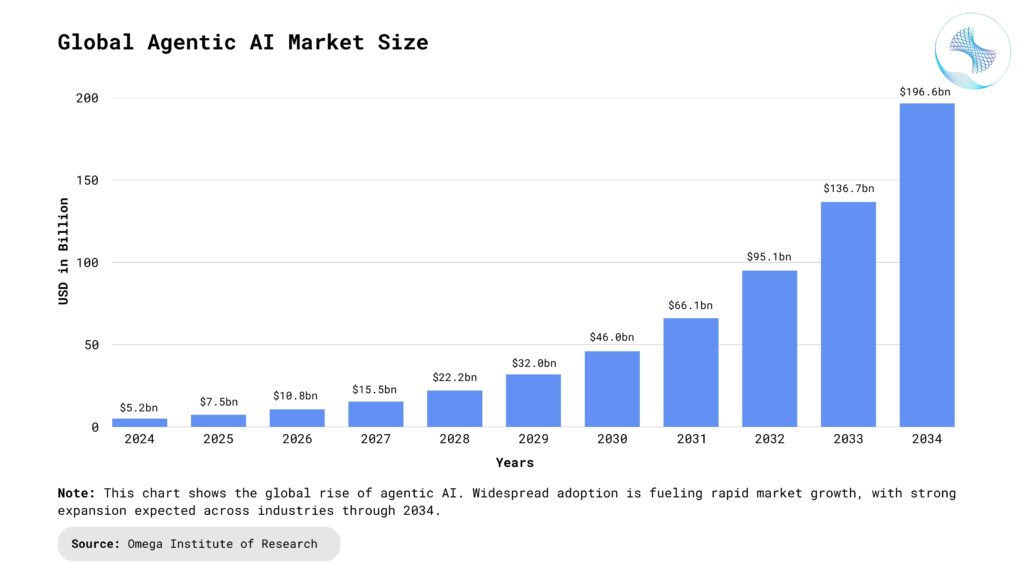
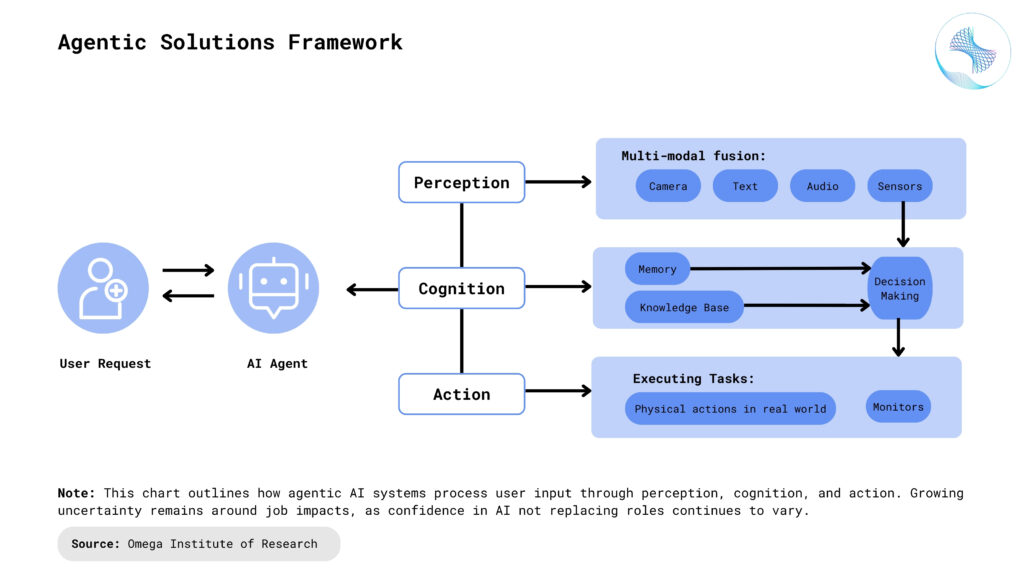
Agentic solutions are digital systems equipped with the ability to act with purpose, awareness, and contextual understanding. Unlike traditional automation tools that simply follow instructions, agentic systems initiate actions, learn from user behavior, and adapt to dynamic environments. They bridge the gap between automation and autonomy by allowing users to maintain control while the system provides intelligent support. Agentic technologies are widely used in AI-powered assistants, learning platforms, customer self-service, and enterprise intelligence systems. Their primary value lies in enhancing efficiency, decision quality, personalization, and user empowerment.
5 Types of Agentic Solutions
AI-Powered Code Assistants: AI-driven tools like GitHub, Copilot, and Amazon Q Developer are transforming software development by enabling real-time code generation based on natural language prompts and contextual code patterns. These assistants not only suggest entire functions and logic flows but also proactively detect syntax errors and logic flaws, reducing the need for extensive debugging. They adapt to individual coding styles by learning from project histories, ensuring consistency across teams. By automating routine coding tasks, developers can shift focus to high-level architecture and innovation. For example, GitHub Copilot—trained on billions of lines of open-source code—has demonstrated up to a 50% improvement in code generation speed for repetitive tasks.
Adaptive Learning Platforms: Adaptive learning systems like Squirrel AI and DreamBox Learning leverage real-time data to create personalized educational experiences. These platforms adjust content difficulty, pacing, and formats based on individual learner performance, ensuring a tailored path for each student. Immediate feedback helps correct mistakes on the spot, reinforcing concepts more effectively. They also identify skill gaps and provide educators with actionable analytics, enabling targeted interventions. By empowering students to learn at their own pace and focus on their specific needs, these platforms boost motivation, engagement, and overall retention rates across diverse learning environments.
Autonomous Customer Service Tools: AI-driven customer service solutions like Zendesk’s intelligent support bots are redefining user support by offering fast, context-aware assistance without human intervention. These conversational agents interpret natural language inputs and guide users through troubleshooting, purchases, or issue resolution seamlessly. Beyond reactive support, some systems proactively detect frustration signals—such as repeated actions or long idle times—and offer help in real time. Using adaptive decision trees, they tailor support flows based on user behavior to resolve issues more efficiently. Consistent experiences are maintained across channels, whether via chat, mobile apps, or voice, with platforms like Zendesk autonomously handling nearly 60% of common queries, allowing human agents to focus on complex tasks.
Intelligent Decision-Making Engines: Intelligent engines leverage predictive analytics and real-time data to make fast, high-stakes decisions across domains like finance, logistics, and operations. Using a blend of rule-based logic and machine learning, these systems evaluate complex inputs to determine optimal actions—such as detecting fraud, forecasting demand, or managing investment portfolios. Their autonomous nature enables instant decision-making, significantly reducing human error and bias while improving efficiency and precision. In mission-critical environments, their millisecond-level responsiveness is invaluable. For instance, Amazon employs agentic decision engines to dynamically manage supply chain operations—adjusting procurement, distribution, and inventory levels in real time without human intervention.
Collaborative Human-Machine Systems: Collaborative systems seamlessly integrate human input with machine intelligence to enhance productivity, creativity, and decision-making. In industrial settings, cobots work alongside humans—learning from their actions, adapting movements, and safely sharing tasks in real time. In creative domains, platforms like Canva and Adobe Sensei provide intelligent design suggestions and layout optimizations based on user input. In healthcare, systems such as IBM’s Watson for Oncology analyze vast datasets of patient records and medical literature to recommend treatment plans, supporting but not replacing clinical judgment. These agentic solutions evolve through continuous real-time feedback, becoming more precise and aligned with human collaborators over time.
Benefits of Agentic Solutions
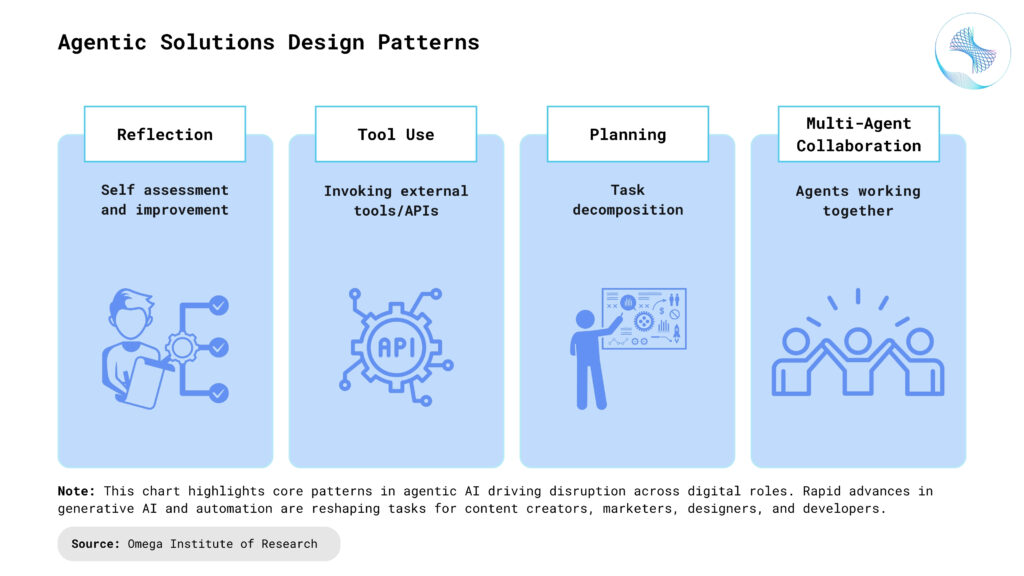
Enhanced Autonomy: Agentic systems empower users by giving them greater control over tasks and decision-making. Instead of being confined to fixed, linear workflows, users can guide the process, with the system adapting dynamically to their input. This collaborative approach enables individuals to work in ways that suit their preferences and goals, with intelligent support that complements—rather than dictates—their actions.
Higher Productivity: By taking over routine, time-consuming tasks—such as data entry, code generation, or customer query handling—agentic tools allow users to focus on higher-order activities. This shift from manual effort to value-driven work boosts overall output, reduces burnout, and enables faster progress on strategic initiatives like innovation, planning, or problem-solving.
Faster and Smarter Decisions: Agentic systems continuously analyze contextual data in real time and provide relevant insights, suggestions, or actions. This accelerates decision-making while also improving accuracy. Whether it’s recommending the best customer response, adjusting a learning path, or optimizing resource allocation, decisions become more data-driven and adaptive.
Improved User Experience: These systems personalize interactions based on user behavior, preferences, and history. As a result, users feel more understood and supported, which leads to greater satisfaction and engagement. Whether it’s a student getting a tailored lesson plan or a designer receiving layout suggestions, the experience becomes more intuitive and enjoyable.
Scalable and Consistent Performance: Agentic solutions perform reliably under varying loads, maintaining accuracy and responsiveness regardless of user volume or task complexity. This scalability ensures that organizations can deliver consistent service and performance across teams and geographies, without being limited by human capacity or resource bottlenecks.
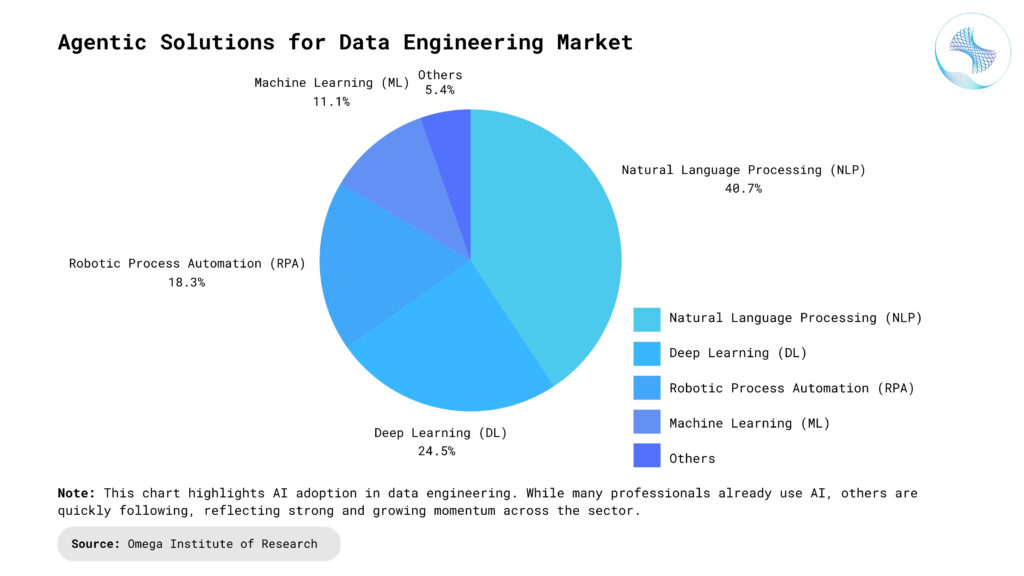
Future of Agentic SolutionsHyper-Personalized Interaction: With advances in AI and behavioral analytics, agentic systems will offer interactions uniquely tailored to each user’s habits, preferences, learning style, and even emotional state. These tools will anticipate needs, adapt communication tone, and adjust functionality in real time, creating experiences that feel naturally supportive and individually optimized.
Cross-Domain Integration: Agentic tools will break down silos between departments and systems. Rather than operating in isolated functions, they will integrate across domains—like marketing, HR, operations, and customer service—sharing intelligence and coordinating actions to streamline workflows and enhance overall efficiency across the enterprise.
Natural Language as a Norm: Voice and text-based interactions will increasingly replace traditional graphical interfaces. Users will interact with systems as they would with humans—using natural language to ask questions, give instructions, or make decisions—making technology more accessible and easier to use, especially for non-technical users.
Ethics, Trust, and Explainability: As agentic systems take on more autonomous roles, trust will become a central concern. Future systems will prioritize explainability—clearly showing how and why decisions are made. Ethical design practices, bias mitigation, and transparent algorithms will be essential to ensure accountability, user confidence, and regulatory compliance.
Applications of Agentic Solutions
Intelligent Talent Matching Platforms: Agentic systems are being used to match candidates with roles by analyzing resumes, job descriptions, behavioral data, and past hiring patterns. These platforms can autonomously shortlist candidates, predict cultural fit, and even suggest personalized interview questions—enhancing hiring accuracy and reducing bias in human resources and recruitment.
Dynamic Pricing Engines: These AI-driven tools continuously analyze market demand, competitor pricing, customer behavior, and inventory levels to adjust prices in real time. Used extensively in e-commerce and travel, dynamic pricing engines help maximize revenue, respond to market fluctuations instantly, and improve customer conversion rates.
Predictive Maintenance Systems: In manufacturing and utilities, agentic solutions monitor machinery and infrastructure in real time using sensor data and AI. They predict failures before they occur, schedule maintenance automatically, and optimize operational uptime—saving costs and avoiding unplanned downtimes.
AI-Powered Legal Assistants: Agentic tools in the legal industry assist with document review, case law research, and contract analysis. These systems scan thousands of legal documents and highlight relevant clauses or precedents, enabling faster, more informed legal decision-making while reducing manual workload.
Personalized Learning Coaches: Used in education and corporate training, these platforms assess learner performance, suggest tailored content, and adapt lesson paths in real time. They act as virtual tutors, providing timely feedback, motivation nudges, and pacing adjustments to suit individual learning styles and goals.
Conclusion
Agentic solutions are redefining the boundaries of human-technology collaboration. By combining AI, automation, and contextual intelligence, these systems go beyond execution to actively assist in thinking, deciding, and doing. Whether in software development, education, customer support, or enterprise decision-making, agentic tools help users become faster, smarter, and more autonomous. They personalize experiences, reduce manual effort, and elevate the quality of outcomes. As these technologies evolve, their adoption will no longer be optional—it will be critical for those looking to lead in a future shaped by intelligent, proactive systems.
- https://spacelift.io/blog/ai-coding-assistant-tools
- https://www.ibm.com/think/topics/data-modernization
- https://www.zendesk.com/blog/customer-service-automation/
- https://www.gartner.com/en/articles/ai-agentic-technologies
- https://www.hbs.edu/faculty/Pages/item.aspx?num=58764
Subscribe
Select topics and stay current with our latest insights
- Functions