

- Industries
Industries
- Functions
Functions
- Insights
Insights
- Careers
Careers
- About Us


A Guide to AI-Driven Fraud Prevention Strategies







In an increasingly digital and interconnected world, the threat of fraud has become more sophisticated, pervasive, and costly than ever before. From online payment scams and identity theft to credit card fraud and elaborate financial schemes, criminals constantly leverage advanced technologies to exploit vulnerabilities across various sectors. Traditional, rule-based fraud detection systems, while foundational, often struggle to keep pace with the evolving tactics of fraudsters, leading to false positives, missed frauds, and operational inefficiencies. This escalating challenge has driven the rapid adoption of Artificial Intelligence (AI) and Machine Learning (ML) in the realm of fraud prevention. AI-driven fraud prevention strategies are revolutionizing how organizations identify, predict, and mitigate fraudulent activities by analyzing vast datasets, recognizing complex patterns, and adapting to new threats in real-time. This guide delves into the fundamentals of AI-driven fraud prevention, exploring its core components, key features, diverse applications across industries, the profound benefits it offers, the significant challenges in its implementation, and the exciting future trends that promise to further enhance its capabilities. By understanding and embracing these advanced strategies, businesses can bolster their defenses, protect their assets, maintain customer trust, and secure their digital ecosystems against the ever-present threat of fraud.
What is AI-Driven Fraud Prevention?
AI-driven fraud prevention leverages advanced Artificial Intelligence and Machine Learning algorithms to detect, predict, and prevent fraudulent activities by analyzing large volumes of transaction data, behavioral patterns, and network anomalies. Unlike traditional rule-based systems, which operate on predefined rules set by human experts, AI systems can learn from historical data, identify subtle indicators of fraud that might otherwise go unnoticed, and continuously adapt to new fraud patterns without explicit programming. This makes them far more resilient and effective against the dynamic and evolving tactics of fraudsters. At its core, AI-driven fraud prevention involves:
Data Ingestion and Preprocessing: Gathering vast amounts of data from various sources, including transaction logs, customer behavior data, device fingerprints, IP addresses, historical fraud cases, and external threat intelligence feeds. This raw data is then cleaned, normalized, and transformed into a format suitable for AI model training.
Feature Engineering: This crucial step involves selecting, transforming, and creating new variables (features) from the raw data that are most relevant for predicting fraud. For example, features might include transaction frequency, average transaction value, location consistency, device changes, or previous fraudulent activities associated with an account.
Machine Learning Model Training: Utilizing various ML algorithms to train models on historical data, categorizing transactions or behaviors as either legitimate or fraudulent. Common algorithms include:
- Supervised Learning: Models trained on labeled datasets (known legitimate and fraudulent cases) to learn the patterns that distinguish them. Examples include Logistic Regression, Support Vector Machines (SVMs), Decision Trees, Random Forests, and Gradient Boosting Machines (e.g., XGBoost, LightGBM).
- Unsupervised Learning: Models used to identify anomalous patterns in unlabeled data, often employed to detect new or unknown types of fraud. Examples include clustering algorithms (e.g., K-Means, DBSCAN) and anomaly detection algorithms (e.g., Isolation Forest, Autoencoders).
- Deep Learning: Neural networks capable of learning complex patterns from raw, unstructured data, particularly effective for processing large volumes of data and identifying subtle relationships. Examples include Recurrent Neural Networks (RNNs) for sequential data and Convolutional Neural Networks (CNNs) for image-like patterns in data.
Real-time Prediction and Scoring: Once trained, the AI models are deployed to analyze incoming transactions or activities in real-time, assigning a fraud risk score or probability. High-risk activities can then be flagged for review, blocked, or subjected to additional authentication steps.
Continuous Learning and Adaptation: A key differentiator of AI systems is their ability to continuously learn from new data, including feedback from fraud analysts who confirm or deny flagged cases. This iterative learning process allows the models to adapt to emerging fraud patterns, maintaining their effectiveness over time.
The power of AI lies in its capacity to process immense data volumes, identify non-obvious correlations, and evolve its understanding of fraud, thereby creating a robust, adaptive, and intelligent defense mechanism against increasingly sophisticated criminal enterprises.
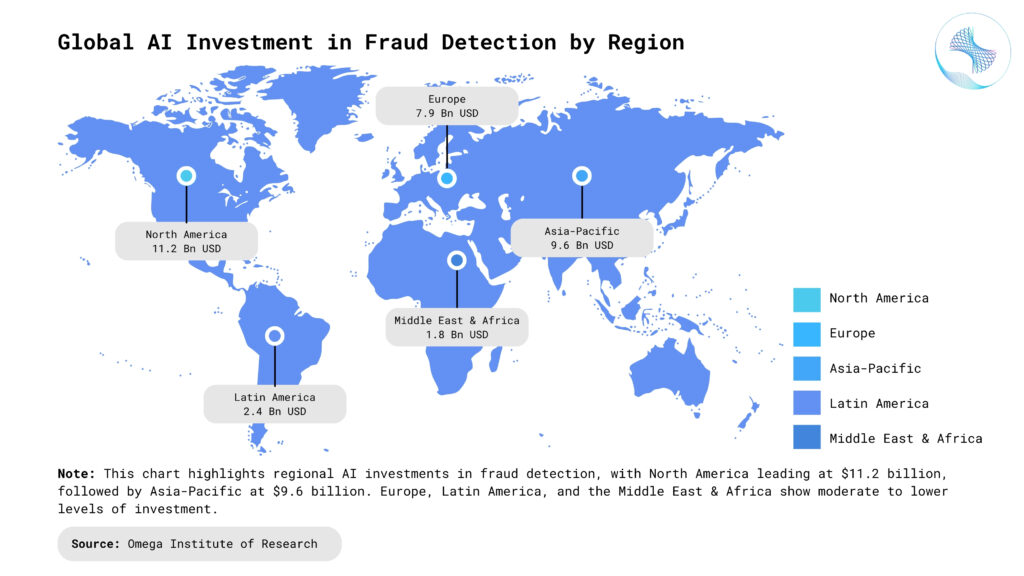
Key Features of AI-Driven Fraud Prevention Systems
AI-driven fraud prevention systems offer a sophisticated set of features that significantly enhance their ability to detect and prevent fraud:
- Real-time Transaction Analysis: AI systems can process and analyze vast volumes of transactions in milliseconds, allowing for immediate fraud detection and prevention at the point of interaction. This real-time capability is crucial for high-volume environments like e-commerce, banking, and payment processing, where delays can lead to lost revenue or customer frustration.
- Behavioral Biometrics and User Profiling: These systems analyze user behavior patterns, such as typing speed, mouse movements, login times, and device usage, to create unique user profiles. Deviations from these normal behaviors can indicate fraudulent activity, providing an additional layer of security beyond traditional authentication methods and detecting sophisticated account takeover attempts.
- Anomaly Detection: AI models are highly adept at identifying outliers and deviations from normal patterns within large datasets, even for previously unseen fraud types. This unsupervised learning capability is essential for catching new or evolving fraud schemes that might bypass static rule-based systems, offering proactive protection against emerging threats.
- Graph Analytics and Network Analysis: AI-powered graph databases and analytics can map relationships between entities (e.g., users, devices, transactions, IP addresses) to identify complex fraud rings or suspicious connections. This helps uncover organized criminal networks that exploit multiple accounts or identities, providing a holistic view of potential fraud activities.
- Dynamic Risk Scoring: Instead of binary fraud/no-fraud decisions, AI systems assign a dynamic risk score to each transaction or activity. This granular scoring allows organizations to tailor responses based on risk levels, from frictionless approval for low-risk items to multi-factor authentication or manual review for higher-risk scenarios, optimizing both security and user experience.
- Multi-Channel Fraud Detection: Modern systems can monitor and analyze data from multiple channels, including online transactions, mobile apps, call centers, and physical point-of-sale systems. This comprehensive, cross-channel visibility helps in detecting fraud schemes that span different interaction points, providing a unified view of potential threats.
Business Use Cases and Applications Across Industries
AI-driven fraud prevention strategies are indispensable across numerous industries, safeguarding diverse operations and financial transactions:
Financial Services (Banking, Credit Cards, Insurance): AI in finance prevents fraud by analyzing transactions, logins, and applications. It detects anomalies, protects funds, and saves billions by identifying suspicious patterns and fraudulent claims.
- Credit Card Fraud Detection: AI models analyze transaction velocity, location, purchase patterns, and device data in real-time to detect anomalous activities indicative of stolen credit cards or account takeovers. This leads to fewer chargebacks and protects both banks and customers.
- Online Banking Security: AI monitors login patterns, transaction behaviors, and device fingerprints to identify suspicious activities like phishing attempts, malware attacks, or unauthorized access to online banking accounts, proactively protecting customer funds.
- Loan and Mortgage Fraud: AI analyzes application data, financial history, and network relationships to identify inconsistencies, synthetic identities, or collusion attempts in loan applications, preventing significant financial losses for lenders.
- Insurance Claims Fraud: AI scrutinizes claim documents, medical records, claim history, and behavioral data to detect suspicious patterns indicative of fraudulent claims, such as inflated claims, staged accidents, or duplicate submissions, saving insurers billions.
E-commerce and Retail: Artificial intelligence enhances e-commerce security by analyzing various data points to identify and prevent fraudulent activities. This approach minimizes financial losses and maintains a positive customer experience.
- Payment Fraud Prevention: AI analyzes payment details, customer behavior, device information, and shipping addresses to detect fraudulent transactions (e.g., stolen card details, friendly fraud) in real-time, reducing chargebacks and enabling smoother checkout experiences.
- Account Takeover (ATO) Prevention: AI monitors login attempts, unusual spending patterns, and changes in account details to identify and block unauthorized access to customer accounts, protecting customer loyalty programs and stored payment information.
- Return Fraud Detection: AI identifies suspicious return patterns, such as frequent returns of high-value items, lack of receipts, or returns of damaged goods, helping retailers reduce losses from fraudulent return schemes.
- Promotion Abuse: AI detects illegitimate use of discounts, coupons, or loyalty points by identifying patterns of multiple accounts, bot activity, or unusual redemption behaviors, protecting promotional budgets.
Telecommunications: In telecommunications, AI combats subscription, traffic, and device fraud. It detects fake accounts, monitors unusual call patterns, and analyzes device data to prevent unauthorized usage, revenue loss, and theft, ensuring network integrity and financial security.
- Subscription and Account Fraud: AI identifies fraudulent new account applications (e.g., synthetic identities, credit washing) and account takeovers, preventing unauthorized service usage and associated financial losses.
- Traffic Fraud: AI monitors call patterns, data usage, and network anomalies to detect fraudulent activities like international revenue share fraud (IRSF) or premium rate service fraud, protecting network integrity and revenue.
- Device Fraud: AI identifies fraudulent device financing or theft by analyzing device identifiers, usage patterns, and historical data, minimizing losses from stolen or unpaid devices.
Healthcare: AI combats healthcare fraud by analyzing billing, patient history, and prescriptions. It detects upcoding, phantom billing, and identity theft, protecting electronic records and preventing substance diversion, saving billions in healthcare costs.
- Medical Claims Fraud: AI analyzes billing codes, patient histories, provider claims, and treatment patterns to identify suspicious activities like upcoding, unbundling, phantom billing, or medically unnecessary services, combating billions in healthcare fraud.
- Prescription Fraud: AI monitors prescription patterns, doctor shopping behavior, and pharmacy dispensing trends to detect fraudulent prescriptions or diversion of controlled substances.
- Identity Theft: AI protects patient identity by monitoring access to electronic health records (EHRs) and detecting unusual queries or attempts to compromise patient data.
Government and Public Sector: AI detects Government and Public Sector frauds by analyzing documents and data. It detects suspicious claims, inconsistencies, and patterns, ensuring compliance and fair resource distribution in the public sector.
- Tax Fraud: AI analyzes tax returns, financial statements, and cross-referenced databases to identify suspicious deductions, undeclared income, or fraudulent refund claims, enhancing tax compliance.
- Benefit Fraud: AI evaluates applications for social welfare benefits, unemployment claims, or housing assistance to detect inconsistencies, duplicate claims, or misrepresented information, ensuring fair distribution of public funds.
- Immigration Fraud: AI can analyze application documents and cross-reference databases to identify inconsistencies or patterns indicative of fraudulent visa or citizenship applications.
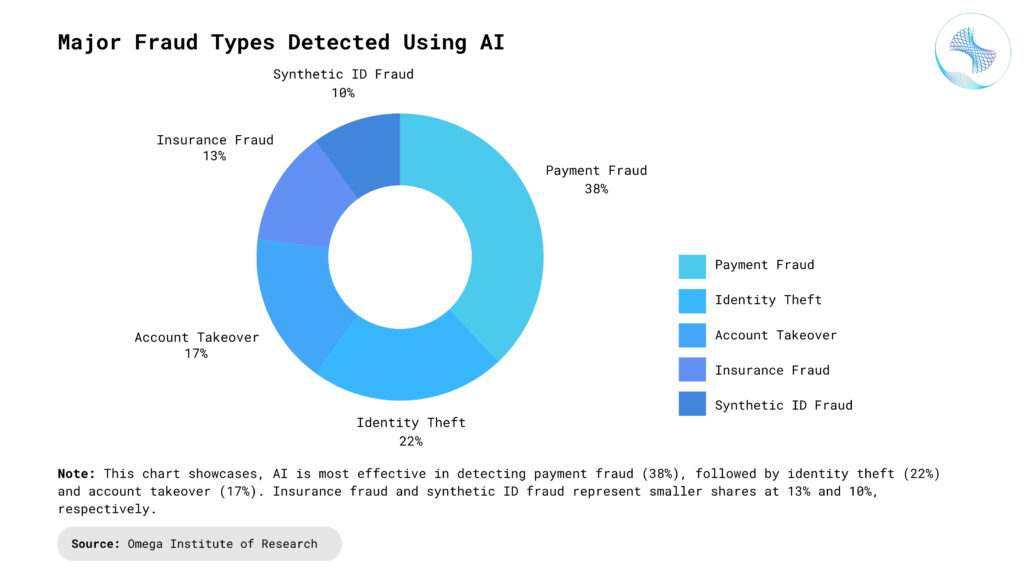
Benefits of Adopting AI-Driven Fraud Prevention Strategies
Implementing AI-driven fraud prevention offers a multitude of transformative benefits that significantly enhance an organization’s security posture and operational efficiency:
Superior Fraud Detection Rates: AI models can identify subtle, non-obvious patterns and correlations in vast datasets that human analysts or traditional rules might miss, leading to a much higher accuracy in identifying fraudulent activities. This significantly reduces financial losses due to fraud and improves the overall effectiveness of prevention efforts.
Reduced False Positives: Unlike rigid rule-based systems that often flag legitimate transactions, AI’s ability to learn and adapt minimizes false positives. This leads to fewer legitimate transactions being declined or delayed, resulting in a smoother customer experience, reduced operational costs associated with manual reviews, and improved customer satisfaction.
Real-time Adaptive Defense: AI systems can continuously learn from new data, including confirmed fraud cases and feedback from analysts. This continuous adaptation allows them to recognize and respond to emerging fraud patterns and sophisticated new attack vectors in real-time, providing a dynamic and resilient defense against evolving threats.
Enhanced Operational Efficiency: By automating the detection and initial triage of fraudulent activities, AI systems free up human fraud analysts to focus on complex investigations and strategic initiatives. This automation streamlines workflows, reduces manual effort, and improves the overall efficiency of fraud prevention teams, leading to cost savings and faster response times.
Insights into Fraud Trends: AI-driven systems not only detect fraud but also provide valuable insights into evolving fraud patterns, common vulnerabilities, and the characteristics of fraudulent activities. This data-driven intelligence helps organizations refine their security strategies, allocate resources effectively, and proactively strengthen their defenses.
Reduced Manual Review Costs: With higher accuracy and fewer false positives, the need for human review of suspicious transactions is significantly reduced. This translates directly into lower operational costs associated with staffing and training fraud analyst teams, contributing to a better return on investment for fraud prevention efforts.
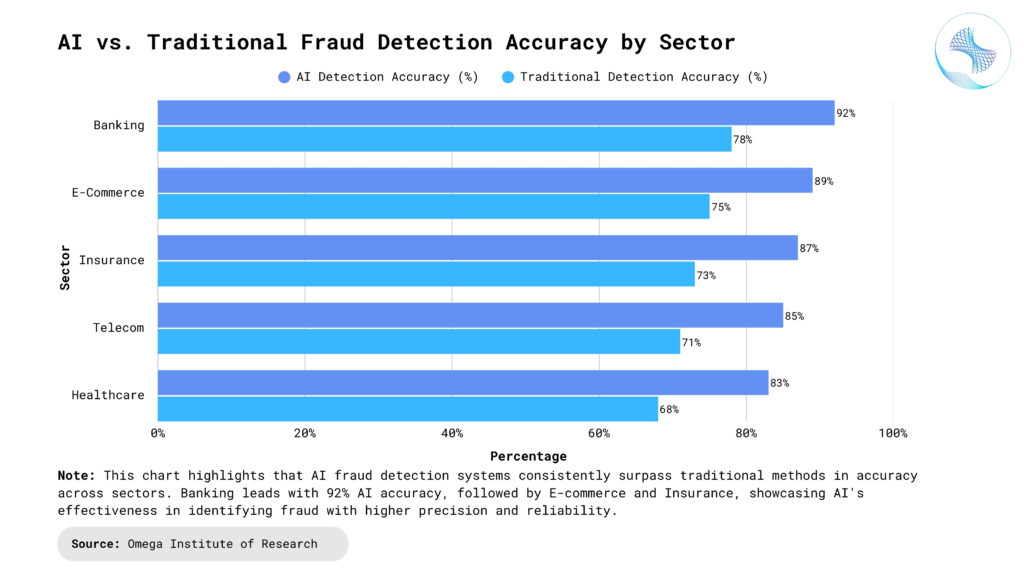
Challenges in Implementing AI-Driven Fraud Prevention
Despite the significant advantages, deploying and managing AI-driven fraud prevention strategies comes with its own set of challenges:
Data Quality and Availability: AI models are only as good as the data they are trained on. Challenges include ensuring high-quality, relevant, and sufficiently labeled datasets (distinguishing between legitimate and fraudulent transactions). Data silos, privacy regulations, and the need for comprehensive historical data can complicate data acquisition and preparation.
Model Explainability and Transparency (The “Black Box” Problem): Complex AI models, particularly deep neural networks, can be opaque, making it difficult for human analysts to understand why a particular transaction was flagged as fraudulent. This “black box” problem can hinder investigations, erode trust in the system, and complicate regulatory compliance, necessitating the use of Explainable AI (XAI) techniques.
Concept Drift and Model Degradation: Fraud patterns are constantly evolving. AI models trained on past data may lose their effectiveness over time as fraudsters develop new tactics (concept drift). Continuous monitoring, retraining, and adaptation of models are crucial to maintain performance, but this requires ongoing effort and resources.
False Positive/Negative Balance: Striking the right balance between minimizing false positives (legitimate transactions flagged as fraud) and false negatives (actual frauds missed) is a critical challenge. An overly aggressive model can frustrate legitimate customers, while a too-lenient one can lead to significant losses. Optimizing this balance requires careful tuning and continuous evaluation.
Integration Complexity: Integrating AI fraud prevention systems with existing legacy systems (e.g., core banking systems, ERPs, payment gateways) can be complex and time-consuming. Ensuring seamless data flow, real-time communication, and minimal disruption to existing workflows requires robust API development and careful architectural planning.
Regulatory Compliance and Privacy Concerns: The use of AI involves processing sensitive customer and transaction data, which raises significant privacy concerns (e.g., GDPR, CCPA). Organizations must ensure that their AI systems comply with data protection regulations, handle data responsibly, and maintain transparency about how data is used for fraud prevention.
Conclusion
AI-driven fraud prevention strategies represent a fundamental shift in how organizations combat the ever-evolving threat of financial crime. By harnessing the power of advanced Artificial Intelligence and Machine Learning algorithms, businesses can move beyond reactive, rule-based defenses to adopt a proactive, adaptive, and highly intelligent approach to fraud detection and mitigation. The ability of AI to analyze vast datasets, identify intricate behavioral patterns, and continuously learn from new threats provides unparalleled accuracy and significantly reduces financial losses and operational inefficiencies. While challenges related to data quality, model explainability, and the dynamic nature of fraud exist, the transformative benefits—including superior detection rates, reduced false positives, enhanced operational efficiency, and improved customer experience—make AI an indispensable tool in the modern security landscape. As AI technology continues to advance, incorporating deep learning, federated learning, and more sophisticated predictive analytics, it will further solidify its role as the cornerstone of robust fraud prevention strategies. For any organization operating in the digital realm, understanding and strategically implementing AI-driven fraud prevention is no longer just an advantage but a critical necessity to protect assets, maintain trust, and secure their future against the relentless threat of fraud.
- https://www.ey.com/en_gl/insights/assurance/how-an-ai-application-can-help-auditors-detect-fraud
- https://www.ibm.com/think/topics/ai-fraud-detection-in-banking
- https://datadome.co/learning-center/ai-fraud-detection/
- https://www.forbes.com/sites/christerholloman/2025/03/31/ais-growing-role-in-financial-security-and-fraud-prevention/
- https://trustpair.com/blog/ai-for-fraud-detection-the-complete-guide/
- https://www.digitalocean.com/resources/articles/ai-fraud-detection
Subscribe
Select topics and stay current with our latest insights
- Functions