

- Industries
Industries
- Functions
Functions
- Insights
Insights
- Careers
Careers
- About Us

AI is Changing Business: Are Leaders Ready to Change With It?







Artificial intelligence is no longer a technology businesses can afford to observe from a distance; it is reshaping how organizations operate, compete, serve customers, manage employees, and make critical decisions. From automating everyday tasks and analyzing complex business data to predicting market trends, AI is becoming an essential part of modern business strategy. However, as companies continue investing in AI tools and technologies, one important question remains: Are business leaders evolving fast enough to keep pace with this transformation? The real challenge is not simply adopting artificial intelligence but understanding how to integrate it effectively into the organization, as technology alone cannot transform a business. Leadership decisions, employee capabilities, organizational culture, and strategic direction ultimately determine whether AI investments deliver meaningful results or become expensive experiments. Companies that recognize this shift and adapt their leadership approaches early will be better positioned to improve productivity, strengthen competitiveness, and unlock new opportunities for sustainable growth.
AI Is Redefining the Way Businesses Operate
Traditional business models were built around manual processes, established workflows, and decisions driven primarily by historical data and human experience. AI is transforming this approach by enabling organizations to process information faster, automate repetitive activities, and identify opportunities that might otherwise go unnoticed. Today, businesses are integrating AI across multiple functions, including operations, where it automates routine workflows, improves resource allocation, and reduces inefficiencies; marketing and sales, where it analyses customer behavior, personalizes campaigns, and identifies potential sales opportunities; finance, where it accelerates financial reporting, forecasting, fraud detection, and expense management; human resources, where it supports recruitment, workforce planning, employee engagement, and talent development; and customer experience, where intelligent chatbots, virtual assistants, and personalized recommendations improve response times and customer interactions. What makes this transformation particularly significant is the speed at which AI capabilities are evolving, allowing businesses to move beyond isolated automation toward connected systems that support entire workflows. For business leaders, this shift requires rethinking how work gets done, how teams collaborate, and where human expertise can deliver the greatest value.
The Biggest Challenge Is Leadership, Not Technology
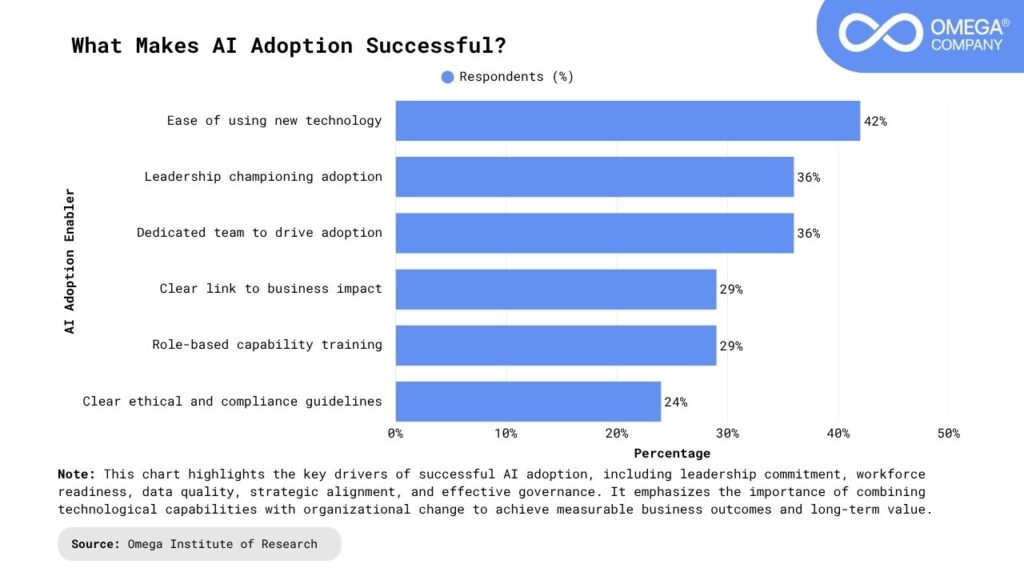
Many organizations assume that purchasing advanced AI software is enough to become AI-driven, but technology adoption without a clear leadership strategy often delivers limited results. The real challenge emerges when leaders must rethink established business practices, challenge traditional decision-making structures, and encourage employees to adapt to new ways of working. Some executives hesitate because of uncertainty surrounding implementation costs, data security, employee resistance, and the reliability of AI-generated outputs, while others struggle to identify which business challenges AI should actually address. Effective AI leadership requires more than approving technology investments; it involves establishing a clear vision, communicating expectations, identifying measurable business outcomes, and ensuring that teams understand how AI contributes to broader organizational objectives. Ultimately, the organizations most likely to succeed will be those whose leaders recognize AI as a strategic business transformation priority rather than treating it as an isolated IT initiative.
Why Many Businesses Are Struggling to Keep Up
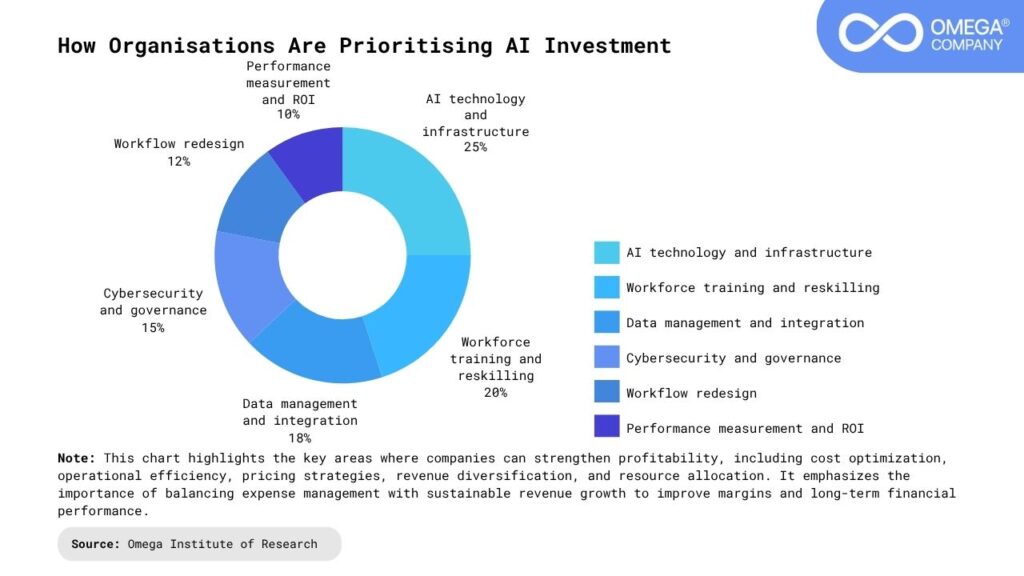
Lack of a Clear AI Strategy: Businesses often adopt AI tools without defining clear objectives, measurable outcomes, or long-term priorities, resulting in disconnected initiatives that deliver limited value. Without a structured roadmap, organizations may invest in technologies that do not address their most important business challenges. Leaders need to connect AI investments with broader strategic goals to ensure meaningful and sustainable results.
Skills and Knowledge Gaps: Employees and managers may understand basic AI applications but lack the practical expertise needed to integrate these technologies effectively into everyday business operations. This knowledge gap can limit productivity and prevent teams from taking full advantage of AI capabilities. Continuous learning, employee training, and leadership development are essential to building an AI-ready workforce.
Resistance to Organizational Change: Concerns about job security, workplace monitoring, and changing responsibilities can create employee hesitation and slow down AI adoption. When organizations introduce AI without explaining its purpose and benefits, employees may view the technology as a threat rather than a supportive business tool. Leaders must encourage open communication, build trust, and involve employees throughout the transformation process.
Data Quality and Security Concerns: Inconsistent data, privacy risks, cybersecurity threats, and inadequate governance can affect AI reliability and reduce organizational confidence. Poor-quality information can produce inaccurate insights, leading to decisions that negatively affect business performance. Companies must establish strong data management practices, security standards, and responsible AI policies before expanding implementation.
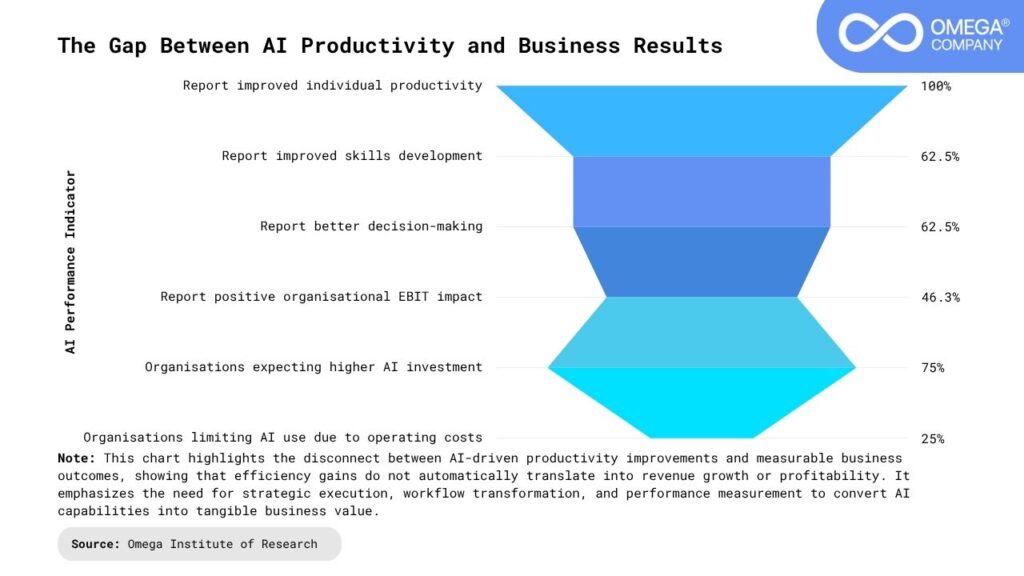
Difficulty Measuring ROI: Many organizations focus on AI adoption and usage rather than evaluating its actual impact on productivity, profitability, customer satisfaction, and operational performance. Without clear performance indicators, leaders may struggle to determine whether their investments are delivering meaningful business value. Establishing measurable targets and regularly evaluating outcomes can help organizations identify successful initiatives and improve their AI strategies.
The Role of Leaders Is Changing in the AI Era
Strategic Thinking: Identifying where AI can create long-term business value instead of adopting technology simply because competitors are using it. Leaders must evaluate business priorities, identify opportunities for innovation, and ensure AI investments support the organization’s broader objectives. A well-defined strategy helps organizations move beyond short-term experimentation and build a sustainable competitive advantage.
Digital Awareness: Understanding AI capabilities, limitations, risks, and practical business applications. Modern leaders do not need to become technology experts, but they must understand how AI tools influence business operations and decision-making. This knowledge enables them to ask the right questions, evaluate new solutions, and make informed technology investments.
Change Management: Helping employees adapt to new workflows while maintaining trust and organizational stability. Leaders must communicate the purpose of AI adoption, address employee concerns, and demonstrate how technology can support rather than simply replace human capabilities. Creating a culture that encourages learning, collaboration, and experimentation makes organizational transformation easier.
Data-Driven Decision-Making: Combining AI-generated insights with business judgement, industry knowledge, and human experience. Leaders must understand how to interpret AI-driven recommendations without relying on automated outputs blindly. Balancing data-based evidence with human judgement can improve decision quality, reduce uncertainty, and support more effective business strategies.
Accountability: Ensuring that AI-supported decisions remain transparent, ethical, secure, and aligned with organizational responsibilities. Leaders must establish clear governance frameworks that define who is responsible for AI-generated outcomes and how potential risks should be addressed. Maintaining human oversight and regularly evaluating AI systems helps protect customer trust, business reputation, and long-term organizational interests.
AI Will Transform Jobs, Skills, and Workforce Expectations
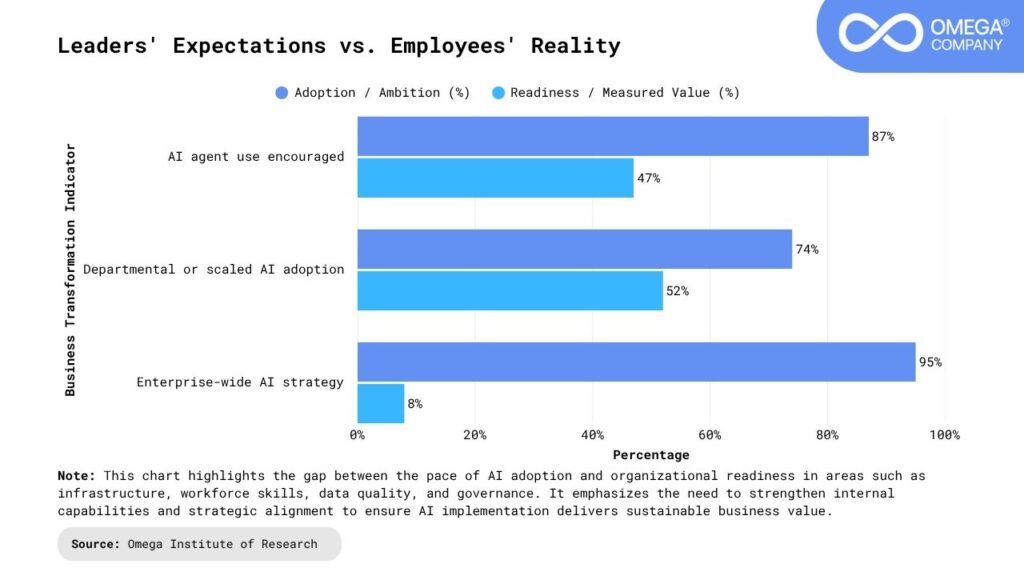
Continuous Learning: Providing employees with practical AI training and opportunities to develop digital skills is becoming essential for businesses adapting to technological change. Organizations must create ongoing learning programs that help employees understand AI tools and apply them confidently in their daily responsibilities. Encouraging professional development, hands-on training, and knowledge sharing can help teams remain productive and adaptable. A workforce that continuously develops new capabilities will be better prepared for evolving job requirements and future business challenges.
Role Redesign: Identifying repetitive tasks that can be automated and redefining responsibilities around higher-value work will become an important part of workforce transformation. AI can handle routine activities such as data entry, document processing, reporting, and basic analysis, allowing employees to focus on more complex responsibilities. Businesses must evaluate existing job roles and identify where human expertise can create greater value. This approach can improve operational efficiency while creating opportunities for employees to contribute through problem-solving, innovation, and strategic thinking.
Human-AI Collaboration: Building workflows where AI supports employees rather than replacing human judgement entirely is essential for achieving balanced business outcomes. AI can process large volumes of information, generate recommendations, and accelerate routine decisions, while employees contribute creativity, critical thinking, emotional intelligence, and contextual understanding. Organizations should establish clear boundaries between automated activities and decisions that require human involvement. Effective collaboration between people and intelligent systems can improve productivity, strengthen decision-making, and create more efficient working environments.
Leadership Development: Preparing managers to lead technology-driven teams and manage organizational change is becoming increasingly important in the AI era. Managers must develop the ability to understand AI applications, guide employees through new workflows, and address challenges associated with digital transformation. They also need to encourage collaboration, support continuous learning, and maintain accountability as AI becomes part of everyday operations. Investing in leadership development will help organizations build confident managers who can connect technological capabilities with business objectives and workforce expectations.
How Business Leaders Can Prepare for an AI-Driven Future
Establish a Clear AI Vision: Define what the organization wants to achieve through AI. Whether the priority is improving productivity, reducing operating costs, increasing revenue, or strengthening customer experience, every initiative should support measurable business objectives. Leaders must communicate this vision across departments so employees understand how AI contributes to the organization’s long-term direction. A clear strategy also helps businesses prioritize investments and avoid adopting technologies without a defined purpose.
Identify High-Impact Opportunities: Start with business processes where AI can address existing challenges. Focus on repetitive activities, time-consuming workflows, data-intensive operations, and areas where better insights can improve decision-making. Evaluate existing processes to identify inefficiencies and determine where automation can deliver the greatest operational value. Prioritizing practical use cases allows organizations to achieve meaningful improvements while minimizing unnecessary investment and implementation risks.
Invest in People and Skills: Provide employees with the knowledge and resources required to work effectively with AI. Training should focus on practical applications, responsible usage, and the ability to evaluate AI-generated information. Encourage continuous learning programs that help teams adapt to changing responsibilities and emerging technologies. Building these capabilities will create a more confident workforce that can collaborate effectively with AI systems and contribute to business innovation.
Build Strong Governance and Accountability: Develop policies covering data security, privacy, human oversight, ethical considerations, and performance monitoring. Establish clear ownership for AI initiatives and their outcomes. Leaders should ensure that AI systems operate within defined business policies and regulatory requirements while maintaining appropriate human supervision. Strong governance frameworks can reduce potential risks, protect organizational information, and strengthen trust among employees, customers, and business partners.
Measure Business Impact and Scale Strategically: Track performance using measurable indicators such as productivity improvements, cost savings, revenue contribution, customer satisfaction, and process efficiency. Regularly evaluate whether AI initiatives are delivering the expected results and identify areas that require improvement. Use these insights to refine implementation strategies and allocate resources more effectively. Expand successful initiatives based on demonstrated business outcomes rather than technology hype, ensuring that AI Adoption creates sustainable value over time.
The Competitive Advantage Will Belong to Adaptable Organizations
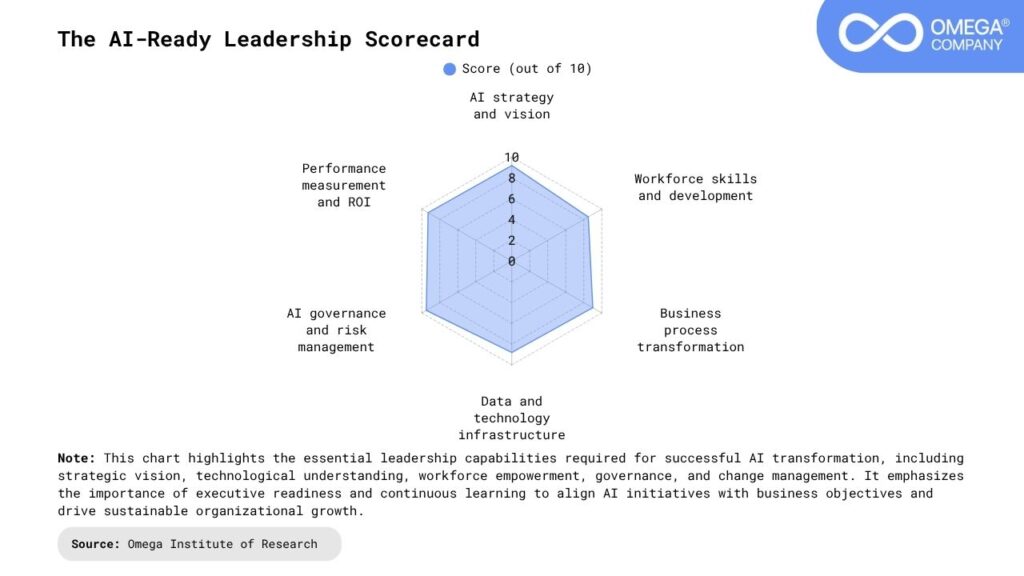
As artificial intelligence continues to evolve, the gap between adaptable organizations and those resistant to change could become increasingly difficult to overcome. Businesses that successfully integrate AI into their strategies can respond more quickly to market developments, improve operational performance, understand changing customer expectations, and identify new growth opportunities. However, long-term success will depend on more than simply having access to advanced technology, as competitors can purchase similar AI platforms, adopt comparable tools, and automate many of the same processes. What truly differentiates organizations is their ability to combine technological capabilities with effective leadership, skilled talent, continuous innovation, and strategic execution. Companies that encourage experimentation, invest in continuous learning, and make informed decisions will be better positioned to navigate the next phase of business transformation. For executives, the priority should be to build an adaptable organization that can continuously evolve alongside changing technologies, customer expectations, and competitive pressures while maintaining a clear focus on sustainable growth.
Conclusion
Artificial intelligence is changing the rules of business, but technology alone will not determine which organizations succeed. The real difference will come from leaders who recognize that AI transformation requires a fundamental shift in strategy, organizational culture, workforce capabilities, and decision-making. Businesses that treat AI as just another software investment may struggle to achieve meaningful results, while those that approach it as a long-term organizational transformation will have greater opportunities to improve productivity, strengthen competitiveness, and create sustainable value. The question is no longer whether AI will change the way businesses operate, as that transformation is already underway. The real question is whether leaders are willing to rethink their strategies, adapt their working methods, and evolve their leadership approaches quickly enough to stay ahead of the competition.
- https://www.mckinsey.com/capabilities/people-and-organization/our-insights/ai-is-changing-work-now-it-has-to-change-the-organization
- https://finance.yahoo.com/technology/ai/articles/report-ai-changing-leadership-faster-161400425.html
- https://www.researchgate.net/publication/382996381_AI_Is_Changing_Leadership_-_and_Executives_Need_to_Adapt
- https://www.businessoffashion.com/articles/artificial-intelligence/aily-labs-bianca-anghelina-ai-decision-intelligence-business-leaders/
- https://career.cuchicago.edu/how-ai-is-changing-leadership-decision-making/
Subscribe
Select topics and stay current with our latest insights
- Functions