

- Industries
Industries
- Functions
Functions
- Insights
Insights
- Careers
Careers
- About Us

AI + SEO: The New Digital Growth Formula







Search Engine Optimization (SEO) has long been a powerful strategy for driving digital growth, helping businesses improve online visibility through keywords, backlinks, technical optimization, and content creation. However, the digital landscape is rapidly evolving with the rise of Artificial Intelligence (AI), which is transforming how search engines operate, how users search for information, and how businesses compete online. Today, SEO is no longer only about achieving higher rankings; it is about delivering intelligent, personalized, and high-quality user experiences powered by AI. By combining AI with SEO, businesses can gain a strong competitive advantage through smarter content strategies, predictive analytics, automation, faster insights, and improved customer engagement. AI + SEO has become the new digital growth formula, enabling organizations to scale content production, better understand user intent, optimize customer journeys, enhance search visibility, and drive measurable business growth. As search engines increasingly rely on AI-driven algorithms, businesses must adapt their SEO strategies to remain relevant, visible, and competitive in the modern digital ecosystem.
Understanding the Evolution of SEO
Traditional SEO Era: The early stages of digital marketing, SEO mainly focused on technical tactics designed to improve rankings quickly. Businesses relied heavily on keyword stuffing, excessive meta tags, backlink quantity, and basic optimization techniques to gain visibility on search engines. Search engines used simpler algorithms that depended on limited ranking signals, making it easier for websites to manipulate search results. During this period, success in SEO was often based more on technical tricks than on delivering real value and quality experiences to users.
Modern SEO Era: Modern SEO has transformed into a more intelligent and user-focused strategy powered by advanced AI-driven search algorithms. Search engines like Google now analyze user intent, content quality, authority, relevance, engagement metrics, semantic understanding, and contextual meaning to deliver more accurate search results. Instead of rewarding keyword-heavy pages, search engines prioritize websites that provide valuable, trustworthy, and highly relevant information for users. This shift has made SEO more focused on experience, quality content, and long-term digital growth rather than short-term ranking manipulation.
What is AI in SEO?
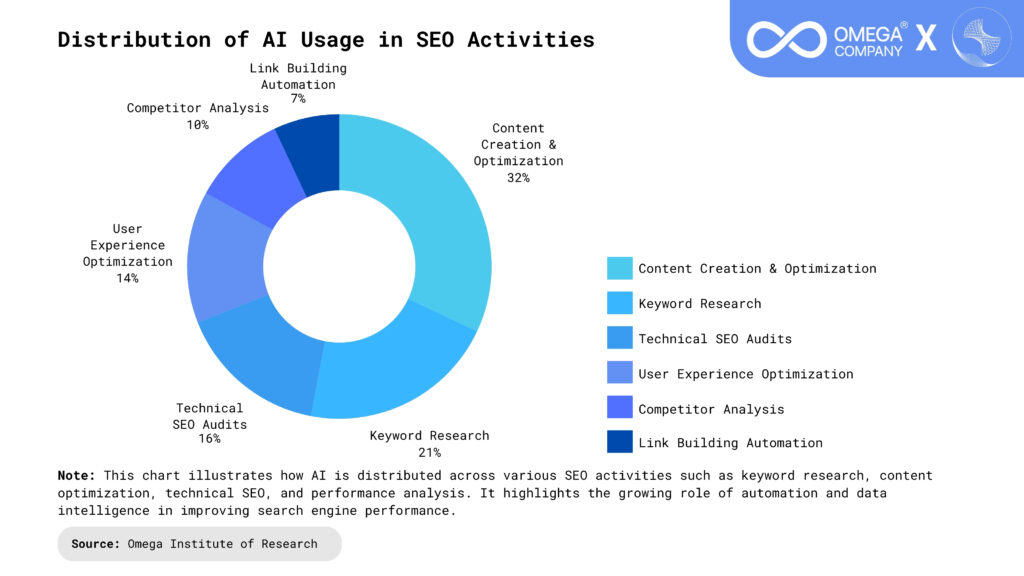
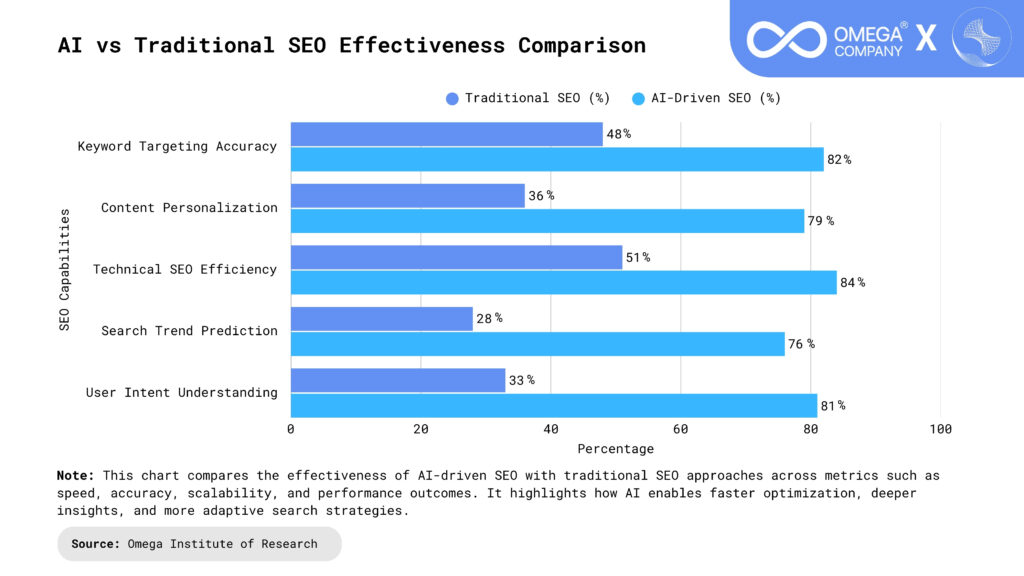
AI in SEO refers to the use of artificial intelligence technologies to automate, optimize, analyze, and improve search engine performance more efficiently than traditional methods. AI systems can process massive amounts of data at high speed, helping businesses identify search trends, understand user behavior, and generate actionable insights for better digital marketing decisions. Modern AI-powered SEO includes advanced capabilities such as automated keyword research, content generation, search intent analysis, technical SEO auditing, competitor analysis, predictive analytics, voice search optimization, personalized content recommendations, AI-driven content optimization, and real-time SEO monitoring. These technologies help businesses create more relevant content, improve search visibility, and respond quickly to changes in search engine algorithms and customer preferences. Instead of relying entirely on manual processes, organizations can now use AI tools to make faster, smarter, and more data-driven SEO decisions that improve performance and support long-term digital growth. As AI continues to evolve, it is becoming an essential component of modern SEO strategies, enabling businesses to stay competitive in an increasingly intelligent digital landscape.
Why AI + SEO Matters for Digital Growth
The integration of AI and SEO creates a powerful growth engine for modern businesses.
Better Understanding of User Intent: AI helps search engines understand the real meaning behind user searches instead of simply matching keywords. For example, when someone searches for “best affordable laptop for video editing,” AI analyzes factors such as purchase intent, budget preferences, technical requirements, user context, and search behavior to deliver the most relevant results. This allows businesses to create content that directly matches what users are actually looking for rather than focusing only on keyword placement. Companies that align their SEO strategies with intent-based optimization often achieve higher search rankings, better customer engagement, and increased conversion rates.
Faster Content Production: AI-powered tools enable businesses to create content more efficiently by generating blog outlines, SEO briefs, product descriptions, meta descriptions, topic clusters, and content ideas within minutes. This significantly speeds up content marketing efforts while maintaining consistency across multiple digital channels and campaigns. Faster content production allows businesses to respond quickly to trending topics, changing customer interests, and evolving market demands. However, the most successful organizations combine AI-driven efficiency with human creativity, expertise, and strategic thinking to produce valuable and engaging content.
Smarter Keyword Research: Traditional keyword research methods often fail to identify emerging trends and deeper search behavior patterns. AI-driven SEO tools can analyze large amounts of search data to identify long-tail keywords, semantic relationships, trending topics, and shifts in user behavior more accurately and efficiently. This helps businesses understand how audiences search for information and what topics are gaining popularity in real time. As a result, organizations can develop proactive SEO strategies that target future opportunities instead of reacting only after trends become competitive.
Improved Content Optimization: AI systems can analyze high-performing content and provide intelligent recommendations to improve readability, semantic keyword usage, internal linking opportunities, content depth, and alignment with user search intent. These insights help businesses create more informative, engaging, and search-friendly content that performs better on modern search engines. AI also helps identify gaps in content quality and areas where additional value can be added to improve user experience. By continuously optimizing content with AI-driven insights, businesses increase their chances of achieving higher rankings and stronger organic traffic growth.
Enhanced Technical SEO: Technical SEO is often complex and time-consuming, especially for large websites with thousands of pages and constant updates. AI-powered SEO platforms can automatically detect issues such as broken links, crawl errors, slow page speed, duplicate content, mobile usability problems, and indexing errors without requiring extensive manual analysis. This allows businesses to maintain healthier websites and improve overall search engine performance more efficiently. By automating technical SEO monitoring and optimization, AI helps organizations improve user experience, website accessibility, and long-term search visibility.
The Role of Generative AI in SEO
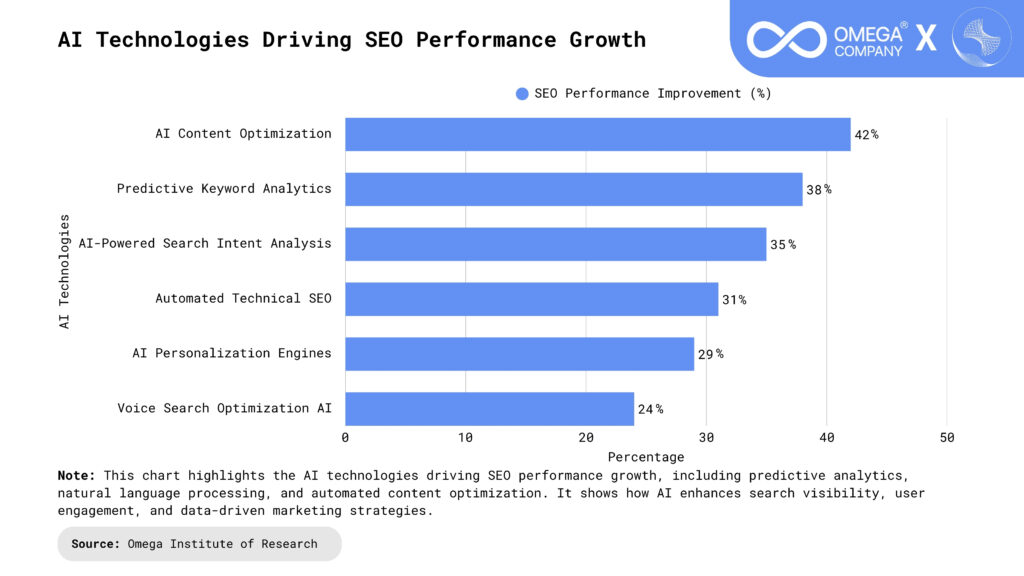
Generative AI is transforming the way businesses create content and optimize digital experiences by enabling faster, smarter, and more scalable content production. Modern AI models can generate articles, FAQs, product descriptions, social media content, video scripts, landing pages, and many other forms of marketing content within minutes, helping organizations increase productivity and maintain consistent publishing schedules. This allows businesses to respond quickly to changing trends, customer interests, and search engine demands while reducing the time required for manual content creation. However, modern search engines prioritize originality, expertise, accuracy, trustworthiness, and genuine human value rather than simply rewarding large volumes of AI-generated content. As a result, businesses must use generative AI strategically by combining automation with human creativity, industry expertise, and authentic brand communication to create meaningful and high-quality experiences for users. The future of SEO will belong to organizations that successfully balance human intelligence, AI efficiency, brand authenticity, and data-driven optimization to build trust, improve search visibility, and drive long-term digital growth.
AI-Powered SEO Technologies
Natural Language Processing (NLP): Natural Language Processing (NLP) enables machines to understand human language in a more contextual and intelligent way. Search engines use NLP to interpret search queries, understand semantics, evaluate content relevance, and analyze conversational search patterns more accurately than traditional keyword-based systems. This technology helps search engines deliver results that better match user intent rather than simply identifying exact keyword matches. NLP has become especially important with the growing use of voice search, AI assistants, and conversational search experiences across digital platforms.
Machine Learning: Machine learning allows AI systems to continuously improve by analyzing large amounts of data and identifying patterns over time. In SEO, machine learning helps predict ranking factors, identify traffic opportunities, detect algorithm changes, and optimize user engagement strategies more efficiently. Search engines use machine learning models to better understand user behavior and improve the quality of search results delivered to users. Businesses can use these insights to adapt their SEO strategies faster, improve performance, and stay competitive in changing digital environments.
Predictive Analytics: Predictive analytics uses AI to forecast future trends and user behavior based on historical and real-time data analysis. Businesses can use predictive AI to anticipate future search trends, seasonal traffic changes, customer interests, content performance, and conversion opportunities before they become highly competitive. This allows marketers to plan proactive SEO campaigns and create content strategies ahead of emerging trends rather than reacting after demand increases. Predictive analytics helps organizations make smarter, data-driven decisions that improve long-term digital growth and marketing efficiency.
AI Chatbots and Conversational Search: The rise of AI chatbots, voice assistants, and conversational search tools is transforming how users interact with search engines and digital platforms. Instead of typing short keyword phrases, users now increasingly engage with conversational AI systems through natural language questions and interactive search experiences. Search engines are also introducing AI-generated summaries and smart recommendations that change how information is discovered and consumed online. As a result, modern SEO strategies must optimize for conversational queries, natural language interactions, and user-focused experiences to remain visible and relevant in AI-driven search ecosystems.
AI and Content Strategy
Topic Discovery: Content remains the foundation of SEO success, and AI significantly strengthens content strategies by improving how businesses discover valuable topics. AI-powered tools can analyze search behavior, competitor performance, trending conversations, and audience interests to identify high-demand content opportunities more efficiently. These insights help businesses understand what users are actively searching for and where content gaps exist within their industry or market. By using AI for topic discovery, organizations can create more relevant, timely, and engaging content that attracts audiences and improves search visibility.
Content Personalization: AI enables businesses to deliver personalized content experiences by analyzing user behavior, demographics, search intent, and engagement patterns in real time. This allows companies to create content that matches individual user preferences, interests, and customer journeys more accurately. Personalized content experiences help users feel more connected to brands, leading to stronger engagement and improved satisfaction across digital platforms. As a result, businesses often achieve higher retention rates, increased customer engagement, and better conversion performance through AI-driven personalization strategies.
Content Refresh Optimization: AI can identify outdated or underperforming content that requires updates to remain relevant and competitive in search results. By analyzing traffic trends, ranking performance, and content accuracy, AI tools help businesses determine which pages need improvements or additional information. Refreshing existing content can improve rankings, increase accuracy, boost traffic, and enhance overall search visibility without the cost of producing entirely new content from scratch. This makes content refresh optimization a highly effective and cost-efficient strategy for maintaining long-term SEO performance and digital growth.
Voice Search and AI SEO
Voice search is becoming increasingly important as smart devices, digital assistants, and AI-powered technologies continue to change how people search for information online. Unlike traditional text searches, voice searches are typically longer, more conversational, question-based, and highly contextual, reflecting natural human communication patterns. This shift requires businesses to adapt their SEO strategies by optimizing for natural language queries, featured snippets, local SEO, FAQ-focused content, and conversational keywords that align with how users speak. AI plays a major role in analyzing voice search behavior, understanding speech patterns, and identifying the types of responses users expect from voice-enabled search experiences. By optimizing content for voice search and AI-driven interactions, businesses can improve visibility, enhance user experience, and remain competitive in the evolving digital search landscape.
Visual Search and AI
AI-powered visual search is transforming digital discovery by allowing users to search for information using images instead of traditional text-based queries. Modern platforms use advanced computer vision technologies to identify products, locations, objects, styles, and visual patterns, making search experiences faster, more interactive, and highly intuitive for users. As visual search adoption grows, businesses must optimize their digital content through image SEO, accurate alt text, structured data, and high-quality visuals that improve search engine understanding and accessibility. AI systems can analyze visual content more intelligently, helping search engines connect users with highly relevant products, services, and information based on images rather than keywords alone. Visual AI is expected to become a major driver of online discovery and customer engagement, creating new opportunities for businesses to improve visibility and attract audiences in the evolving digital ecosystem.
Benefits of AI + SEO for Businesses
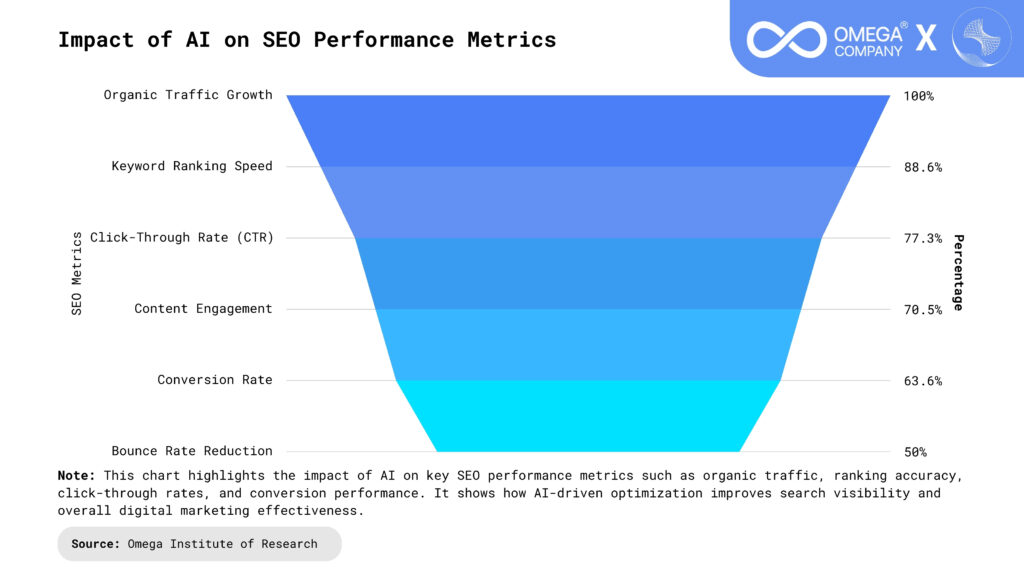
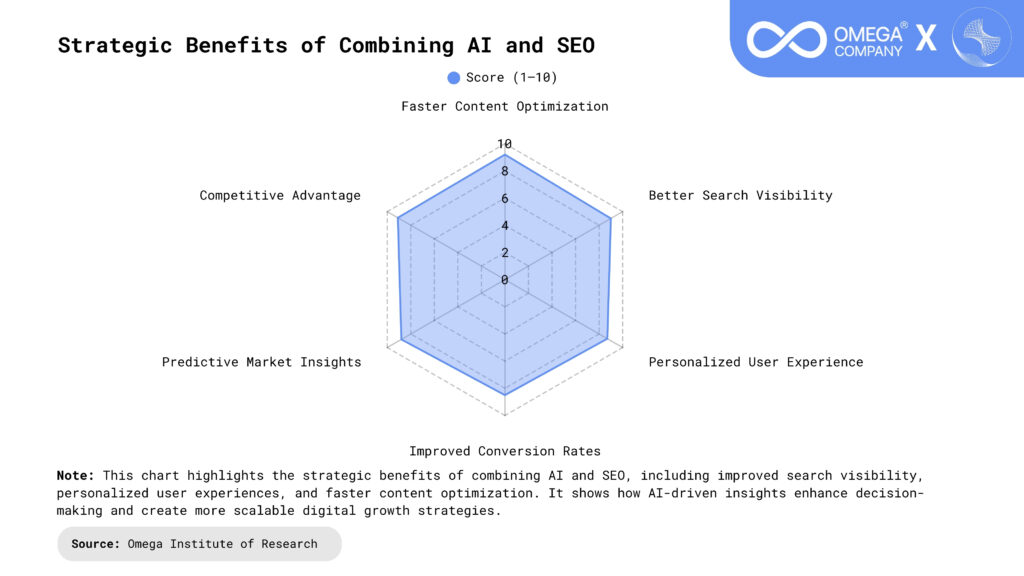
Increased Organic Traffic: AI-driven optimization helps businesses improve search visibility by analyzing user behavior, search intent, keyword opportunities, and content performance more accurately than traditional SEO methods. Advanced AI systems continuously monitor ranking trends and recommend improvements that help websites achieve stronger positions in search engine results pages. Better rankings increase the chances of attracting highly targeted organic traffic from users actively searching for relevant products, services, or information. AI also helps businesses identify emerging trends and content gaps, allowing them to create optimized content before competitors capture those opportunities. Over time, this leads to sustainable traffic growth, improved brand awareness, and stronger digital presence across multiple search platforms.
Higher Conversion Rates: AI-powered SEO strategies improve conversion rates by delivering more personalized and relevant experiences to users throughout their digital journey. By analyzing customer behavior, demographics, engagement patterns, and search intent, AI helps businesses create targeted content that directly addresses audience needs and preferences. Personalized recommendations, optimized landing pages, and intent-focused content increase customer trust and encourage users to take desired actions such as purchases, inquiries, or subscriptions. AI can also identify friction points in customer journeys and suggest improvements that enhance usability and engagement. As a result, businesses achieve stronger customer satisfaction, better lead generation, and higher overall conversion performance.
Reduced Marketing Costs: Automation powered by AI significantly reduces the manual workload involved in SEO tasks such as keyword research, technical audits, content optimization, competitor analysis, and performance monitoring. This allows marketing teams to save time, reduce operational expenses, and focus more on strategic planning and creative activities instead of repetitive manual processes. AI tools can quickly process large amounts of data and generate insights that would normally require extensive human effort and resources. Businesses also benefit from improved efficiency because AI helps prioritize high-impact opportunities that generate better returns on investment. Over time, AI-driven SEO strategies help organizations achieve stronger marketing results while controlling costs and maximizing productivity.
Faster Decision-Making: AI enables businesses to make faster and smarter decisions by providing real-time insights, predictive analytics, and automated recommendations based on continuously updated data. Instead of relying on delayed reports or manual analysis, organizations can instantly identify ranking changes, user behavior trends, traffic opportunities, and content performance issues. This allows marketing teams to respond quickly to search engine algorithm updates, market shifts, and changing customer preferences before competitors adapt. AI-powered dashboards and analytics platforms also simplify complex data interpretation, making decision-making more accurate and efficient for businesses of all sizes. Faster access to reliable insights improves agility, enhances strategic planning, and supports more effective digital growth initiatives.
Competitive Advantage: Businesses that adopt AI-powered SEO strategies early gain a significant competitive advantage in increasingly crowded digital markets. AI helps organizations optimize content faster, understand customer behavior more deeply, and identify new growth opportunities before competitors recognize them. Companies using advanced AI-driven SEO tools can improve search visibility, enhance customer experiences, and scale digital marketing efforts more efficiently than businesses relying solely on traditional methods. AI also supports continuous optimization by adapting strategies based on real-time performance data and evolving search engine requirements. As digital competition continues to grow, organizations that integrate AI with SEO will be better positioned to build stronger market authority, attract larger audiences, and achieve long-term business growth.
The Future of AI + SEO
The future of SEO will be deeply connected to continuous advancements in artificial intelligence, transforming how businesses create content, optimize digital experiences, and engage with online audiences. Emerging innovations such as hyper-personalized search experiences, AI-generated search answers, multimodal search, autonomous SEO optimization, real-time content adaptation, and predictive search behavior modeling are expected to redefine the digital marketing landscape. Search engines are becoming increasingly intelligent, contextual, and user-centric, focusing more on understanding intent, behavior, and personalized experiences rather than relying only on traditional ranking factors. AI will enable businesses to respond instantly to changing search trends, customer preferences, and market demands while improving efficiency and scalability across SEO operations. Organizations that invest early in AI-powered SEO technologies will gain stronger competitive advantages by improving search visibility, customer engagement, and long-term digital performance. As AI continues to evolve, the integration of intelligent automation with human creativity and strategic thinking will become essential for sustainable digital growth and future business success.
Conclusion
AI and SEO are now deeply connected, creating a powerful digital growth strategy that helps businesses improve visibility, customer engagement, and long-term online success. AI transforms SEO into a smarter, data-driven process through predictive analytics, automation, personalized experiences, and conversational search. However, real success comes from combining AI capabilities with human creativity, strategy, and expertise. Businesses that adopt AI-powered SEO today will be better prepared to build stronger digital authority and stay competitive in the future digital landscape. As search engines continue to evolve, companies must continuously adapt their SEO strategies to meet changing user expectations and search behaviors. Organizations that effectively integrate AI into their SEO efforts can gain a significant competitive advantage in the modern digital economy.
- https://www.lsdigital.com/blog/seo-in-the-age-of-ai/
- https://proximatesolutions.com/expected-roi-from-ai-seo-2026/
- https://www.salesforce.com/in/marketing/ai/seo-guide/
- https://chimplab.in/top-ai-seo-tools-transforming-your-organic-growth-in-2026/
- https://www.bmg360.com/blog/post/use-ai-for-seo
Subscribe
Select topics and stay current with our latest insights
- Functions