

- Industries
Industries
- Functions
Functions
- Insights
Insights
- Careers
Careers
- About Us

Brain-Computer Implants: Connecting Minds to Machines







Brain-computer implants are no longer a futuristic fantasy; they are rapidly becoming one of the most transformative technologies of the 21st century. By creating a direct link between neural activity and digital systems, these implants enable humans to control machines with thought, restore lost abilities, and unlock new realms of communication. As innovations in neuroscience, AI, and microelectronics accelerate, brain-computer interfaces (BCIs) are moving from research labs into real-world medical and commercial applications. This article explores how BCIs work, their breakthrough benefits, major challenges, and what the future of mind-machine connection looks like. With each advancement, BCIs are bridging the gap between biology and technology more seamlessly than ever before. They not only reshape how we interact with the digital world but also redefine what human potential can look like in the coming decades. As the field continues to evolve, brain-computer implants may soon become as common as smartphones empowering individuals and industries in ways once thought impossible.
What Are Brain-Computer Implants?
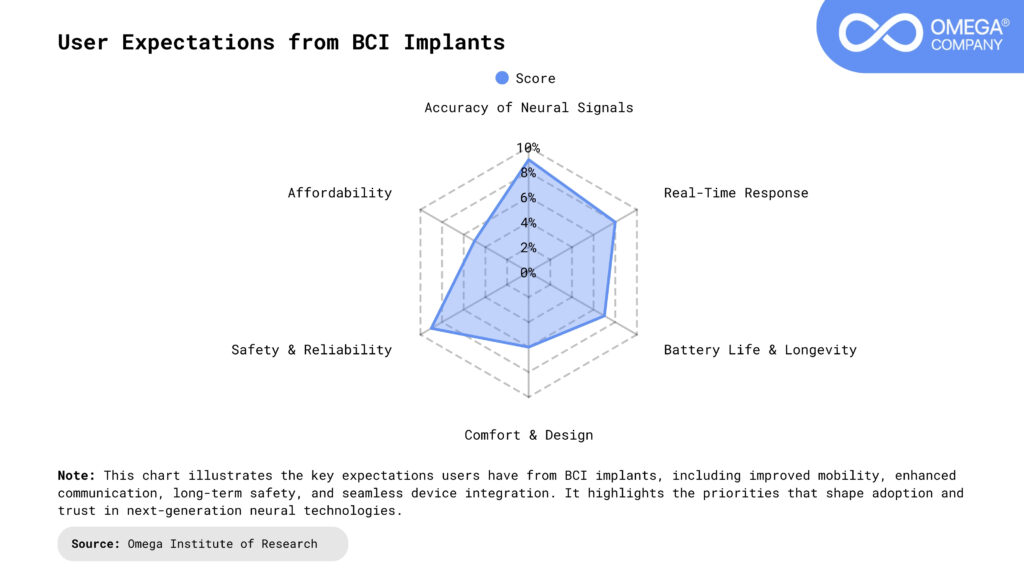
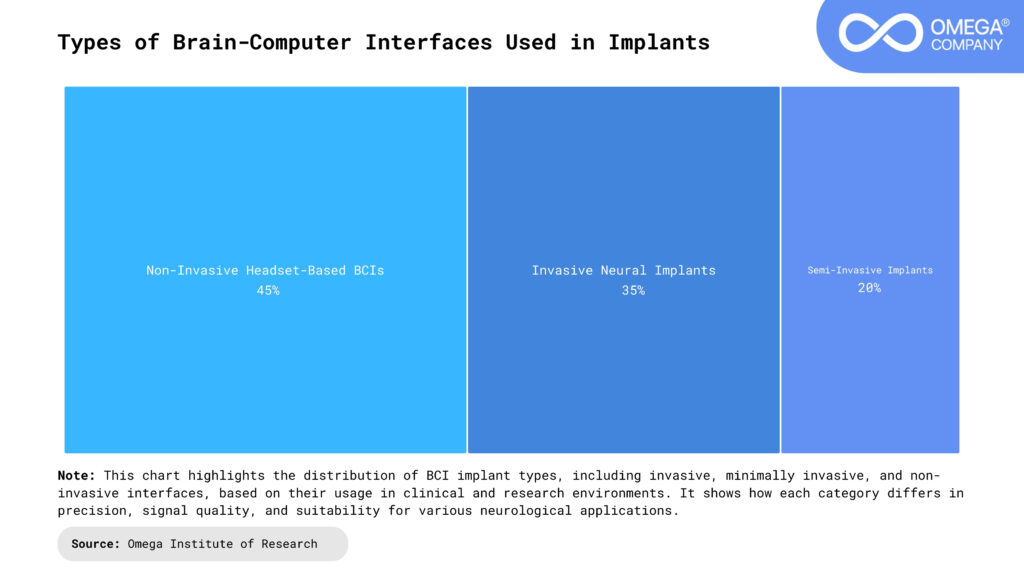
Brain-computer implants (also called implanted BCIs or neural implants) are tiny devices placed inside the brain to read, interpret, and transmit neural signals. These signals can be translated into commands that control computers, robotic limbs, wheelchairs, or even digital applications. BCIs bypass traditional pathways like muscles and speech, providing direct communication between the brain and external systems. This makes them especially powerful for people with paralysis, neurological disorders, or communication challenges. Modern implants can detect incredibly fine patterns of brain activity, enabling more precise and faster responses than ever before. They are also becoming smaller, safer, and more energy-efficient with each generation of innovation. As research advances, BCIs are expanding beyond medical uses into fields like gaming, communication enhancement, and immersive human–machine experiences.
How Brain-Computer Implants Work
At the core of every BCI is the ability to capture and decode brain activity. The process typically follows four steps:
Signal Detection: Ultra-fine electrodes pick up electrical impulses fired by neurons. These electrodes can be implanted on the brain’s surface or deep within specific regions, depending on the purpose. Advanced sensors now capture signals with higher clarity, reducing noise and improving accuracy. The more precisely these electrodes detect neural firing patterns, the more natural and seamless the user’s control becomes. Some modern implants even use flexible, thread-like electrodes that move with the brain’s tissue. This helps reduce irritation and improves long-term signal stability.
Signal Processing: AI algorithms clean, analyze, and decode the neural activity. This step removes unwanted noise, enhances meaningful patterns, and identifies what the brain is trying to communicate. Modern BCIs rely on deep-learning models capable of recognizing subtle brain-wave signatures. This level of processing allows BCIs to adapt to each user’s unique neural style, making the interface more personalized and efficient over time. As the system learns, it becomes faster and more accurate, often predicting user intent with remarkable precision. This constant adaptation ensures smoother control even as the brain’s signals naturally shift.
Translation into Action: Neural patterns are mapped to specific commands like moving a cursor or controlling a robotic arm. The decoded signals are then sent to external devices, translating thought into real-time action. This creates a smooth loop where the user’s brain continuously guides the system. Over repeated use, the brain learns to fine-tune these commands, making movements faster, more precise, and almost instinctive. This continuous feedback helps the brain and machine “co-train,” improving performance over time. As a result, actions that once felt robotic gradually become fluid and natural.
Breakthrough Applications of Brain-Computer Implants
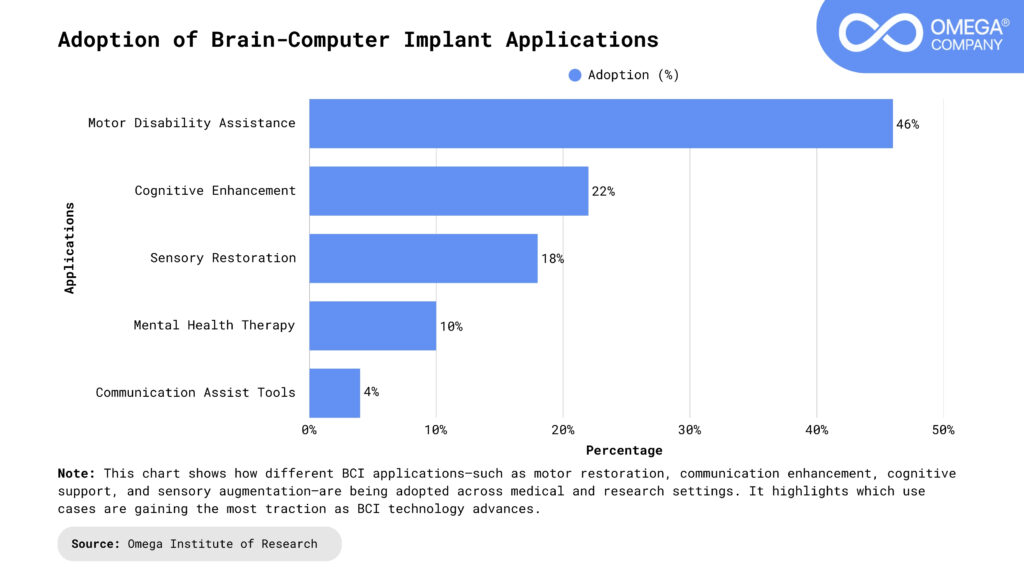
Restoring Mobility: Brain-computer implants are revolutionizing mobility for individuals with paralysis by enabling them to control robotic limbs, exoskeletons, and wheelchairs purely through thought. This level of direct neural control gives patients a new sense of independence and allows them to perform everyday tasks that were once impossible. As implant technology becomes more precise, movements are becoming smoother, faster, and more intuitive. Researchers are now developing systems that allow users to perform multi-step actions, such as reaching, grasping, and lifting, with near-natural coordination. These advancements are paving the way for a future where mobility restoration becomes a standard part of rehabilitation rather than a rare scientific breakthrough.
Restoring Speech & Communication: Neural implants are opening doors for individuals who have lost their ability to speak, enabling them to communicate through decoded brain signals that appear as text or synthesized voice. Early systems could only produce a few words per minute, but newer implants are achieving near-natural conversation speeds. These technologies allow users to express emotions, tone, and even complex thoughts with remarkable clarity. The impact on quality of life is profound, especially for patients with conditions like ALS or stroke-induced speech loss. As AI algorithms continue to improve, communication implants will become more accurate, expressive, and personalized to each individual’s unique speech patterns.
Treating Neurological Disorders: Brain-computer implants are being explored as powerful tools for treating a range of neurological disorders, including Parkinson’s disease, epilepsy, depression, Alzheimer’s, and chronic pain. These devices can stimulate specific brain regions, regulate abnormal neural activity, or provide real-time monitoring for early detection of symptoms. For many patients, implants have resulted in dramatic improvements where medications alone were not effective. Researchers are working on next-generation systems that adjust stimulation levels automatically based on the brain’s activity. This personalized approach promises more consistent relief, fewer side effects, and long-term support for complex neurological conditions.
Enhancing Vision & Hearing: Neural interfaces are the foundation behind modern bionic eyes and advanced cochlear implants, offering hope to people with severe vision or hearing loss. These implants bypass damaged sensory pathways and deliver signals directly to the brain, allowing users to perceive images, shapes, and sounds. While early bionic eyes provided basic visual cues, newer systems are moving closer to detailed, high-resolution vision. Similarly, auditory implants now support richer sound quality and improved speech comprehension. As these technologies evolve, they will not only restore lost senses but may eventually enhance them beyond natural human capability.
Cognitive Enhancement (Future Potential): Although still experimental, brain-computer implants hold enormous potential for future cognitive enhancement. Researchers are exploring memory-boosting implants that could help individuals store and recall information more effectively, as well as AI-assisted learning tools that could accelerate skill acquisition. Another emerging concept is brain-to-brain communication, where thoughts or sensory information could be shared directly between individuals. While these possibilities raise important ethical questions, they also represent an exciting frontier in human augmentation. If responsibly developed, cognitive-enhancing implants could redefine how we learn, collaborate, and interact with the world.
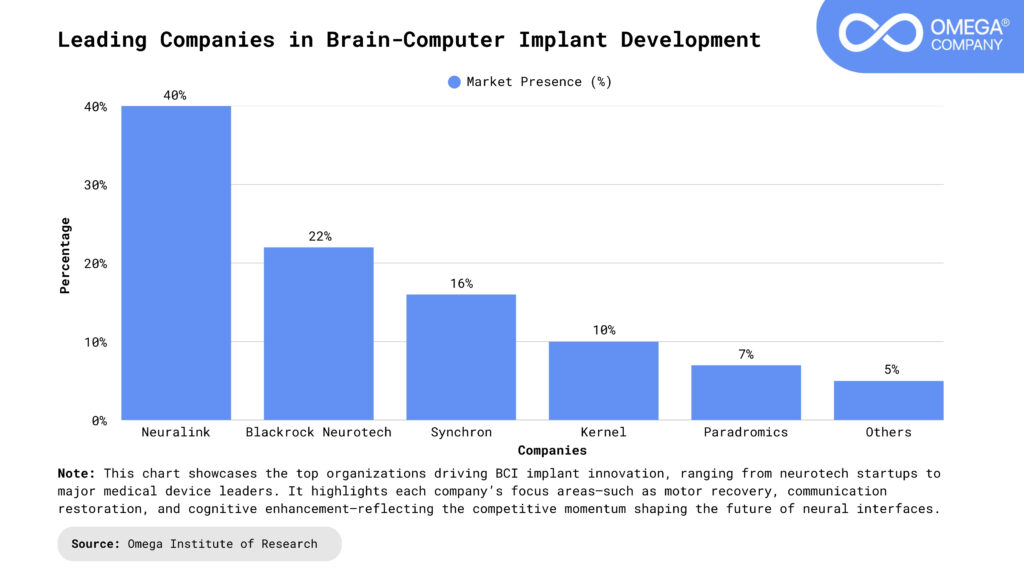
Leading Companies and Global Innovations
Several organizations are pushing BCI technology into real-world use:
Neuralink: Neuralink is one of the most recognized leaders in the BCI space, developing high-bandwidth wireless implants designed to help people communicate, move, and interact with digital devices using only their thoughts. Its ultra-thin, flexible neural threads capture large volumes of brain activity with exceptional precision, enabling faster and more natural control. Neuralink is also focusing on making implantation safer and more accessible through fully automated surgical robots. As the company advances toward human clinical trials and real-world use cases, its long-term vision includes restoring mobility, speech, and sensory functions and eventually merging human cognition with artificial intelligence.
Synchron: Synchron is pioneering a minimally invasive approach with its stentrode, a stent-like neural implant inserted through blood vessels rather than open-brain surgery. This breakthrough significantly reduces surgical risk and makes BCIs more scalable for widespread medical adoption. The implant records brain signals from inside the blood vessels and transmits them wirelessly, allowing patients to control digital devices with simple thought-based commands. Synchron’s early human trials have shown promising results, especially for individuals with severe paralysis. As the company continues refining its technology, it aims to create a safer, more accessible pathway for millions who could benefit from BCIs.
Blackrock Neurotech: Blackrock Neurotech is a long-standing leader in clinical BCI implants, specializing in devices that restore mobility, communication, and functional independence for patients with neurological conditions. Its microelectrode arrays have enabled individuals with paralysis to control robotic arms, type messages, and interact with digital interfaces purely through neural activity. The company is also developing next-generation implants that offer higher resolution and long-term stability, critical for everyday use. Blackrock’s collaborations with researchers and medical centers worldwide continue to push the boundaries of what is medically possible. Their vision is to make permanent BCI solutions available outside the lab and into practical, life-enhancing applications.
BrainGate Consortium: The BrainGate Consortium is one of the most influential research groups in the BCI field, known for pioneering many foundational advancements in neural decoding and neural signal translation. Their work has enabled patients to perform complex tasks such as moving robotic limbs, controlling cursors, and generating digital speech with remarkable accuracy. BrainGate’s research integrates advanced sensors, machine learning, and neurology to create high-performing, reliable systems. They are also exploring adaptive algorithms that learn from users over time, improving precision and usability. As the consortium collaborates with hospitals, universities, and government agencies, its innovations continue shaping the global direction of BCI technology.
Ethical, Privacy, and Security Challenges
Data Privacy & Mental Security: Neural signals are among the most intimate forms of personal data, revealing thoughts, intentions, emotions, and cognitive patterns. Protecting this “brain data” from misuse, unauthorized access, or commercial exploitation is an enormous challenge. As BCIs become connected to wireless networks, the risk of hacking or signal interception becomes a serious concern. Safeguards must evolve to protect users from manipulation or surveillance. Ensuring ethical data governance will be essential to building trust and making these technologies safe for long-term use.
Informed Consent: Because brain implants involve highly complex procedures and long-term involvement with technology, informed consent becomes a major ethical responsibility. Patients must clearly understand the benefits, risks, uncertainties, and potential lifelong implications before choosing implantation. This is especially important for vulnerable groups who may feel pressure to adopt BCIs for mobility or communication. Ethical frameworks must ensure that consent is voluntary, well-informed, and regularly reassessed. As BCIs evolve, ongoing education will be needed to help users make empowered decisions.
Inequality & Accessibility: The early stages of brain-computer implants are likely to be expensive, creating a risk that only wealthy individuals or advanced healthcare systems can access them. This could widen the gap between those who benefit from neuro-technology and those who cannot. To ensure fairness, efforts must focus on lowering the cost of implants, increasing global accessibility, and preventing digital inequality. Governments and healthcare providers will need to consider subsidies, policies, and inclusive programs. Without such action, the technology could unintentionally deepen social and economic divides.
Identity and Cognitive Integrity: As BCIs become more advanced, they raise profound questions about personal identity, autonomy, and cognitive integrity. If external devices can influence brain activity, where does human thought end and machine influence begin? This blurring of boundaries could reshape how people perceive themselves and their sense of individuality. Ethical guidelines must ensure that implants enhance human capability without compromising free will or altering core personality traits. Long-term study is needed to understand how continuous brain–machine interaction affects self-perception and mental autonomy.
Long-Term Safety: Implants must be biocompatible, durable, and safe to remain inside the brain for decades. Concerns include inflammation, scar tissue formation, hardware failure, and the need for future surgeries. Long-term monitoring is essential to detect potential complications early and ensure that implants do not interfere with natural brain functions. As materials improve, future BCIs may last longer, require fewer replacements, and integrate more seamlessly with neural tissue. Ensuring safety over the user’s lifetime will be one of the most important scientific and ethical challenges.
The Future of Brain-Computer Implants: What’s Next?
The future of BCIs is nothing short of revolutionary. Emerging directions include:
Fully Wireless, Invisible Implants: The next generation of brain-computer implants will be fully wireless, compact, and virtually invisible, eliminating the need for external hardware or cables. These implants will seamlessly integrate into the brain, powered by advanced wireless charging systems and ultra-low-energy circuits. Their small size and biocompatible design will make long-term implantation safer and more comfortable. As the technology matures, these devices may become outpatient procedures accessible to millions. Ultimately, invisible BCIs will make mind-controlled interactions feel like a natural extension of human capability.
Sensory Feedback Integration: A major breakthrough on the horizon is the integration of sensory feedback, enabling users to feel touch, pressure, texture, and even temperature through prosthetic limbs. This transforms robotic limbs from functional tools into extensions of the human body. With real-time feedback, users will be able to grasp objects gently, handle delicate tasks, and experience sensations they thought were lost forever. Researchers are already testing implants that link artificial sensors directly to brain regions responsible for touch. As this evolves, the line between biological and artificial sensations will continue to blur.
Non-Invasive AI-Enhanced BCIs: Non-invasive BCIs are moving rapidly toward high-precision decoding without the need for brain surgery. Advances in AI, neural signal modeling, and high-resolution brain imaging will allow external headsets to interpret thoughts with far greater accuracy. This will make BCIs accessible to everyday consumers for gaming, communication, and productivity. These devices could become as common as smartphones or VR headsets, offering mind-controlled interfaces without medical risks. As AI evolves, non-invasive BCIs may rival implanted versions in speed, clarity, and reliability.
Cognitive Expansion Technologies: The future of BCIs goes beyond restoration; it includes expanding human cognition itself. Memory-enhancing implants could help individuals store and retrieve information more efficiently, while AI-driven learning assistants may accelerate how we acquire skills. Real-time cognitive support could help with decision-making, creativity, and problem-solving. These tools may one day act as internal copilots, augmenting mental performance in ways previously imaginable only in science fiction. While still early, the foundations for cognitive expansion are actively being researched.
Brain-to-Brain Communication: One of the most groundbreaking future possibilities is brain-to-brain communication, enabling individuals to share thoughts, emotions, or sensory experiences directly. Early experiments have shown that simple information can already be transmitted between brains using connected neural signals. With more advanced BCIs, communication could transcend language, allowing new forms of collaboration, empathy, and connection. This technology could revolutionize education, teamwork, and interpersonal relationships. Though the concept raises deep ethical questions, it holds the power to reshape human interaction forever.
Conclusion
Brain-computer implants represent one of the most exciting breakthroughs in modern science. By bridging the gap between minds and machines, they enable new ways to move, communicate, learn, and heal. While challenges remain especially around ethics, safety, and accessibility the potential benefits for healthcare, society, and human evolution are immense. In the years ahead, BCIs will not just treat disabilities, they will redefine what it means to be human in a world where technology and biology work as one. As implants become more intuitive and integrated, the boundaries of human capability will continue to expand. What once seemed like science fiction will become an everyday reality. This new frontier invites us to imagine a future where the power of thought itself becomes the ultimate interface for transforming our lives.
- https://pmc.ncbi.nlm.nih.gov/articles/PMC7327323/
- https://braininformatics.springeropen.com/articles/10.1186/s40708-023-00199-3
- https://www.omicsonline.org/open-access/the-evolution-of-brain-implants-merging-minds-and-machines-126159.html
- https://www.researchgate.net/publication/360402909_Brain-Computer_Interfaces_The_Technology_of_Our_Future
Subscribe
Select topics and stay current with our latest insights
- Functions