

- Industries
Industries
- Functions
Functions
- Insights
Insights
- Careers
Careers
- About Us

Building Data Maturity: From Reporting to Predictive Insights







Businesses must evolve beyond basic reporting to derive meaningful insights that guide strategic action. This progression commonly known as building data maturity transforms how companies collect, manage, and use data. From descriptive analytics to predictive modeling, each step adds more intelligence to decision-making. As organizations grow, their ability to interpret and apply data becomes increasingly essential to staying competitive and agile. The shift from reactive reporting to proactive intelligence requires not only technology, but also culture, leadership, and strategy. Embracing this journey positions businesses to innovate faster, reduce risks, and make smarter, more confident decisions across every function.
What is Data Maturity?
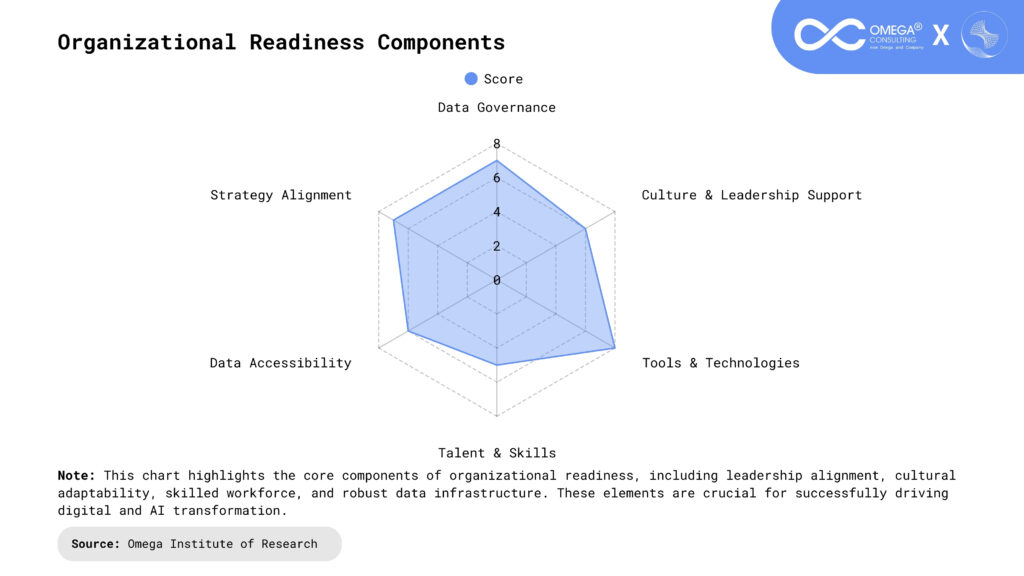
Data maturity refers to an organization’s ability to effectively handle data across its lifecycle from collection to advanced analysis. A mature data environment ensures that information is accurate, available, and valuable for decision-making. It includes having the right technology, governance practices, and talent in place. High data maturity enables organizations to use data not just for historical reporting but to guide future strategies. As maturity grows, data becomes a strategic asset rather than just a byproduct of operations. It empowers teams across departments to collaborate on insights, reduce guesswork, and streamline processes. Ultimately, data maturity is a reflection of how well an organization transforms raw data into meaningful, actionable intelligence.
Why Data Maturity Matters
Organizations with high data maturity can make quicker and more informed decisions, often based on real-time analytics rather than lagging reports. It enhances forecasting accuracy, customer experiences, and overall operational efficiency. As markets grow more complex and competitive, the ability to use data predictively can define industry leaders. Companies with low data maturity risk falling behind as they rely on outdated methods and assumptions. Mature data capabilities also foster innovation, enabling businesses to identify new opportunities and respond swiftly to changing market dynamics. They support regulatory compliance, risk management, and strategic planning with greater confidence. In today’s digital landscape, data maturity isn’t optional, it’s a critical pillar of long-term success.
The Data Maturity Journey: From Reporting to Prediction
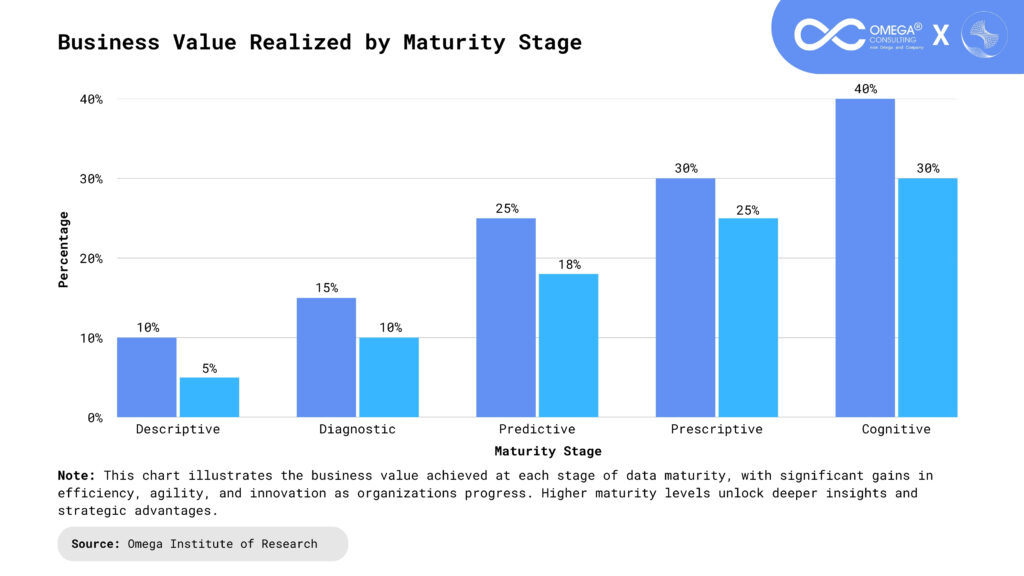
Data maturity evolves through a series of stages that reflect how data is used within an organization. Early stages focus on understanding what has happened in the past, while later stages provide insights into what might happen in the future. As organizations progress, they require more sophisticated tools, better infrastructure, and a deeper integration of analytics into daily operations. Let’s explore each of these stages in detail.
Descriptive: In this initial stage, companies focus on understanding past events using structured reports and dashboards. These insights typically come from static sources like spreadsheets or simple business intelligence tools. While useful, this approach often involves manual effort and limited ability to explore beyond basic metrics. The focus remains on summarizing data rather than interpreting or acting on it.
Diagnostic: At the diagnostic stage, organizations start analyzing data to understand the reasons behind certain outcomes. Instead of just knowing that sales dropped, they investigate why it happened by exploring relationships and trends. Tools become more interactive, and data centralization begins to take shape. This level marks the beginning of a deeper, more inquisitive approach to analytics within the business.
Predictive: Predictive analytics uses historical data to estimate what is likely to happen in the future. Organizations begin using statistical models, machine learning, and advanced algorithms to forecast demand, identify risks, or anticipate customer behavior. This stage requires clean, reliable data and often depends on data scientists and analysts with technical expertise. The goal is to move from reacting to proactively planning ahead.
Prescriptive: Prescriptive analytics adds another layer by recommending the best course of action based on predictions. It combines predictive insights with business logic to guide strategic decisions. Whether it’s suggesting optimal pricing or automating supply chain responses, prescriptive analytics turns insights into direct action. At this stage, companies integrate analytics deeply into their business processes and decision-making frameworks.
Cognitive: The cognitive stage represents the highest level of data maturity, where systems can learn and make decisions with minimal human intervention. AI-powered tools continuously analyze real-time data, adapt to new inputs, and optimize outcomes automatically. Applications like chatbots, fraud detection systems, and real-time personalization engines operate at this level. It demands robust infrastructure, advanced algorithms, and a strong culture of data trust.
Steps to Advance Your Data Maturity
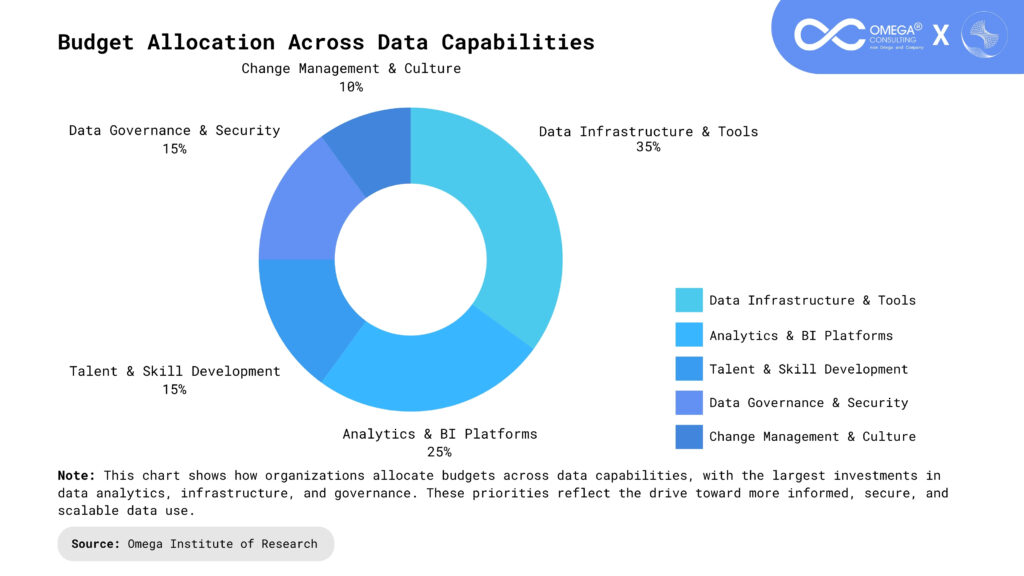
Advancing data maturity begins with building a solid data infrastructure, such as cloud storage and data warehouses, paired with strong governance to ensure data quality and accessibility. Equally vital is developing internal skills through data literacy training and hiring or upskilling analytics talent. Organizations should start with scalable business intelligence tools and gradually adopt advanced analytics platforms. Launching small, targeted predictive projects can demonstrate quick wins, build confidence, and lay the foundation for broader, more strategic data initiatives. Collaboration between IT and business teams is essential to align analytics efforts with real-world goals. Regular evaluation of data strategies ensures adaptability as technology and business needs evolve. Leadership support and cross-functional communication also play a key role in sustaining long-term maturity. Ultimately, advancing data maturity is a continuous process that integrates people, processes, and platforms to unlock the full potential of data.
Common Challenges in Building Data Maturity
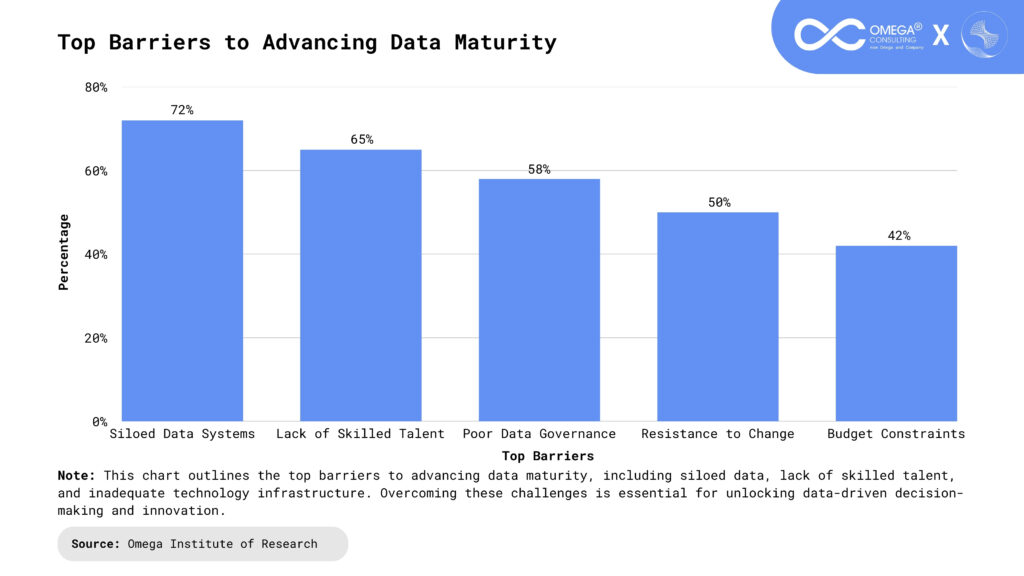
Despite the benefits, many organizations encounter challenges on the path to data maturity. Data silos and legacy systems make it difficult to centralize and standardize information. Without high-quality data, insights become unreliable and decision-making suffers. Leadership support is often lacking, especially when the value of data initiatives isn’t immediately visible. Another common challenge is the skills gap. Many businesses lack the analytical talent needed to interpret data and build advanced models. Bridging this gap requires investing in both hiring and training, as well as fostering collaboration between business and technical teams. Overcoming these obstacles demands a combination of strategic vision, technology investment, and cultural change.
The Future of Building Data Maturity
As artificial intelligence and automation become more affordable and accessible, data maturity will become a necessity rather than a luxury. Organizations that master predictive and prescriptive analytics will have the tools to innovate faster, respond to market changes with agility, and personalize offerings at scale. Those who lag behind may struggle to compete in a rapidly evolving digital economy. The most forward-thinking companies are already embedding analytics into every aspect of their operations from HR and finance to marketing and customer support. These leaders view data not just as a support function, but as a strategic asset that fuels innovation and growth. The ability to act on insights in real time will define tomorrow’s winners.
Conclusion
Developing data maturity is not a one-time initiative but a strategic evolution that requires consistent effort, leadership foresight, and long-term commitment. What begins as simple data reporting can grow into a powerful system of predictive intelligence and real-time decision-making. Organizations that commit to this evolution position themselves to move faster, operate smarter, and compete more effectively in a data-driven world. Waiting for the ideal moment only delays progress; it’s better to start with current capabilities and scale gradually. In today’s digital economy, success belongs to those who can transform raw data into forward-looking insights that drive real business outcomes.
- https://www.datatobiz.com/blog/stages-of-data-maturity-framework/
- https://www.acceldata.io/blog/how-data-maturity-assessment-transforms-analytics-and-business-growth
- https://barc.com/data-maturity-unlocking-the-path-to-analytical-excellence/
- https://www.sisense.com/glossary/data-maturity/
Subscribe
Select topics and stay current with our latest insights
- Functions