

- Industries
Industries
- Functions
Functions
- Insights
Insights
- Careers
Careers
- About Us

Expansion Without Dilution: Protecting Control While Growing Aggressively







The business landscape has become increasingly competitive, making growth essential for long-term survival and relevance. Companies are constantly pressured to expand market share, strengthen technology capabilities, enter new markets, and adapt to evolving customer expectations. While rapid expansion can improve revenue, brand value, and competitive positioning, it often requires significant capital investment. Traditional equity financing, however, can lead to ownership dilution, reducing founder control and influence over strategic decisions. For entrepreneurs, family-owned businesses, and privately held firms, maintaining independence and decision-making authority remains a major priority. As a result, expansion without dilution has become an important strategy for organizations seeking sustainable growth while preserving ownership and long-term vision. Businesses are increasingly exploring alternative funding approaches such as strategic partnerships, revenue-based financing, operational efficiency improvements, and debt instruments to support expansion without sacrificing equity. This approach allows organizations to scale confidently while maintaining stronger control over innovation, culture, and long-term business strategy.
Understanding Dilution and Its Strategic Implications
Dilution occurs when a company issues additional shares to investors, employees, or external stakeholders, reducing the ownership percentage of existing shareholders. While dilution is common during fundraising rounds, its implications extend far beyond ownership percentages. As ownership decreases, founders may lose voting rights, board influence, and authority over major strategic decisions such as acquisitions, mergers, expansion plans, and leadership appointments. Many startups begin with founders holding complete ownership. Over successive fundraising rounds including seed funding, Series A, Series B, and beyond—ownership can shrink significantly.
Although the overall valuation of the company may increase, founders sometimes discover that they no longer possess sufficient influence to guide the company according to their original vision. Excessive dilution may result in conflicts between investors seeking rapid returns and founders prioritizing long-term sustainability. However, dilution itself is not inherently negative. External investors often contribute expertise, networks, mentorship, and market access alongside capital. The problem arises when businesses surrender disproportionate control relative to the value gained here-fore, effective capital strategy involves balancing financing needs with governance protection and long-term ownership preservation.
Why Aggressive Expansion Has Become Essential
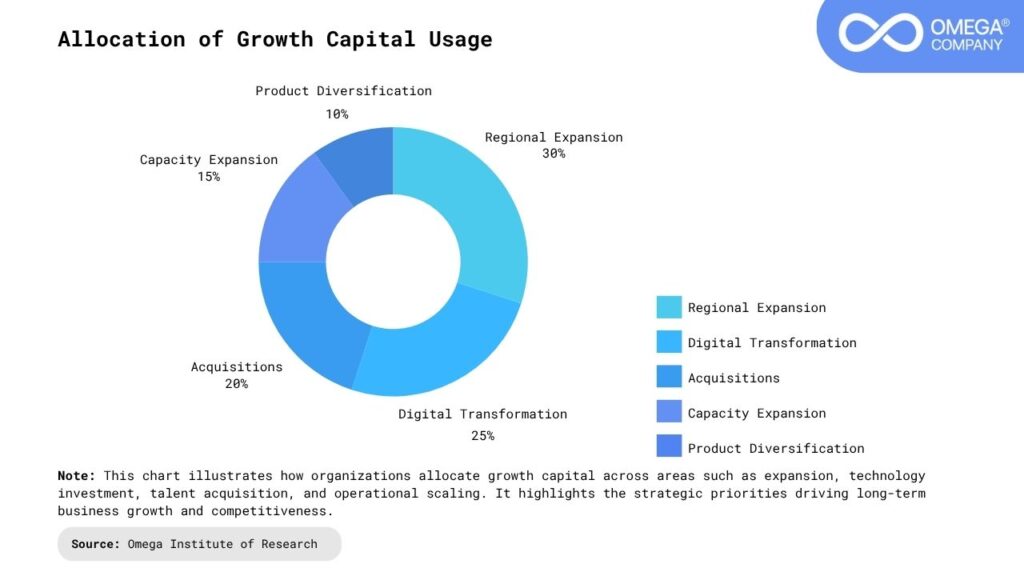
The modern economy rewards organizations that can scale rapidly and adapt quickly to market changes. Digital transformation, globalization, artificial intelligence, automation, and shifting customer expectations have intensified competition across industries, making expansion critical for long-term survival and relevance. Businesses pursue aggressive growth to capture market share, enter emerging markets, increase production capacity, and achieve economies of scale. Expansion also supports investment in innovation, technology infrastructure, and diversified product portfolios that strengthen operational efficiency and reduce dependence on a single revenue source. In many industries, particularly the technology sector, first-mover advantages and network effects make scale a major factor in determining long-term success and market influence. While venture capital has traditionally been a major source of growth financing, concerns about founder dilution and reduced control have encouraged businesses to explore alternative funding models. As a result, companies are increasingly adopting financing strategies that support rapid expansion while preserving ownership and long-term strategic independence.
Expansion Without Significant Dilution
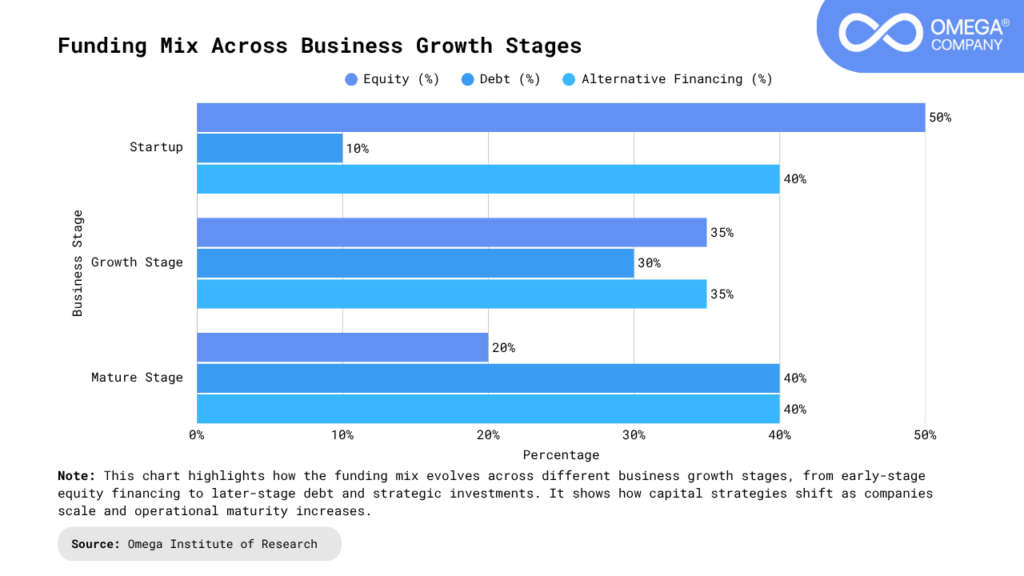
Leveraging Debt Financing: Debt financing represents one of the most direct methods for preserving ownership while raising capital. Unlike equity financing, debt allows businesses to access funding without transferring shares or voting rights. Companies borrow funds and repay them over a predetermined period with interest.
Reinvesting Profits to Fund Expansion : Self-funded growth, often referred to as bootstrapping, remains one of the strongest approaches to maintaining ownership control. Rather than seeking external capital, businesses reinvest operating profits into expansion initiatives. Many successful companies delayed significant fundraising until achieving strong profitability, enabling them to negotiate more favorable investment terms later.
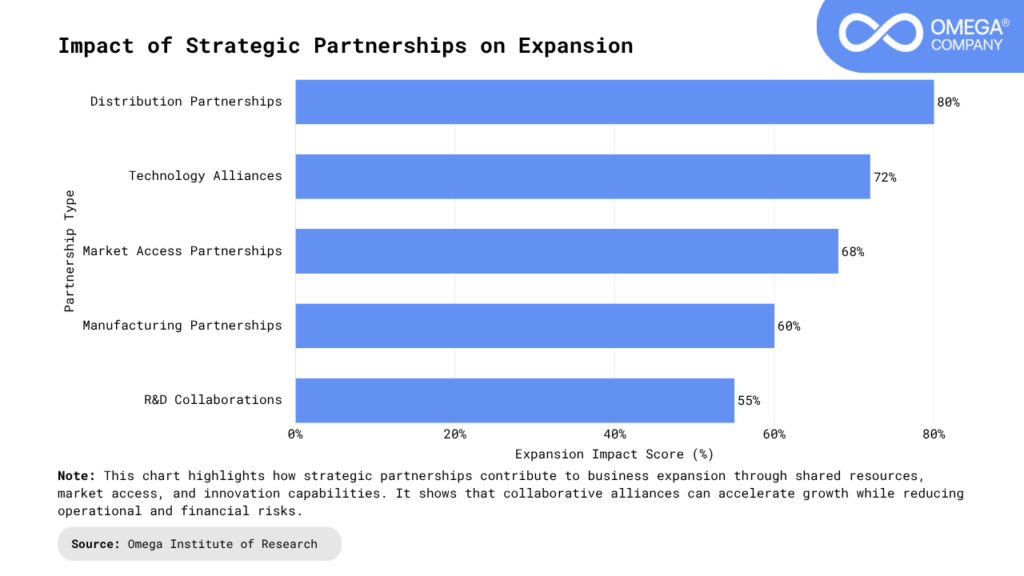
Strategic Partnerships: Strategic partnerships can provide growth resources without requiring ownership transfer. Rather than raising capital to build capabilities internally, companies collaborate with external organizations possessing complementary strengths. Instead of raising equity, businesses may partner with established regional organizations capable of accelerating market entry.
Raising Growth Capital: Not all equity financing necessarily results in surrendering control. Growth capital investors frequently take minority ownership positions while allowing founders to maintain operational authority. Minority investors generally focus on value creation and long-term appreciation rather than direct operational control. However, governance negotiations remain essential. Founders who negotiate governance effectively may secure substantial capital while preserving strategic independence.
Alternative Financing Models: The financing landscape has evolved significantly. Businesses today have access to diverse funding mechanisms beyond traditional equity investment. Alternative financing options include Grants, Crowdfunding, Revenue-based financing, Government programs, Accelerators and incubators and Corporate partnerships. These models provide flexibility while reducing dependence on ownership dilution.
Risks Associated with Excessive Dilution
Businesses pursuing rapid growth often rely on external funding to support expansion, innovation, and operational scaling. While raising capital can accelerate opportunities, excessive dilution and the reduction of founders’ ownership through additional equity issuance can create major long-term challenges. Many companies focus on immediate financing needs without fully considering how repeated dilution may affect governance, leadership control, organizational culture, and strategic direction. Preserving ownership is essential for maintaining founder vision, independence, and sustainable growth. The following risks highlight the broader implications of excessive dilution.
Loss of Strategic Freedom: One of the biggest consequences of excessive dilution is the gradual loss of strategic autonomy. As businesses issue more equity, founders often give up voting rights, board influence, and decision-making authority. Over time, major investors may gain control over important decisions such as expansion strategies, acquisitions, and leadership appointments. This shift can limit founders from pursuing strategies aligned with their original vision, as investors may prioritize short-term profitability over long-term growth opportunities.
Misalignment of Priorities: Dilution can create conflicts between founder objectives and investor expectations. Entrepreneurs often focus on sustainable growth, innovation, and long-term market leadership, while investors may prioritize faster financial returns or exit opportunities. For example, founders may want to reinvest profits into research and development, while investors may prefer cost optimization to improve short-term performance. These differences can create internal friction and weaken organizational focus.
Cultural Transformation: Organizational culture is often shaped by founder values, leadership style, and long-term mission. In early-stage companies, culture tends to be innovative, adaptable, and closely connected to the founder’s vision. However, excessive dilution can gradually change this identity as external stakeholders gain greater influence over governance and priorities. While investor-driven changes may improve efficiency and scalability, they can also weaken the entrepreneurial culture that originally contributed to the company’s success.
Reduced Founder Motivation: Founders usually invest significant time, effort, and personal sacrifice into building their businesses. Ownership represents not only financial value but also influence and emotional commitment. Excessive dilution can reduce this sense of ownership and weaken motivation over time. A lower ownership stake and reduced decision-making authority may discourage founders from pursuing long-term growth initiatives, ultimately affecting innovation and organizational performance.
Exit Pressure: Excessive dilution can increase pressure toward acquisitions, mergers, or public offerings. Investors typically expect returns within specific timeframes, encouraging strategies focused on valuation growth and liquidity opportunities. As external ownership increases, stakeholders may push for decisions aimed at generating faster returns rather than supporting long-term independence. In some cases, founders may lose control over whether the company remains independent in the future.
Effective Expansion Strategy
For many businesses, aggressive expansion is necessary to remain competitive, capture new opportunities, and increase long-term enterprise value. However, rapid growth often creates pressure to secure external funding, which can result in ownership dilution and reduced strategic control. Sustainable expansion therefore requires careful planning regarding how growth will be financed, managed, and governed. An effective expansion strategy balances business growth with preserving decision-making authority, organizational identity, and founder vision. The following considerations help companies achieve this balance before pursuing large-scale expansion initiatives.
Determining Capital Required: One of the most common expansion mistakes is raising more capital than necessary. While excess funding may provide flexibility, it can also lead to avoidable equity dilution and increased investor influence. Businesses should focus on realistic funding needs and prioritize investments that generate the highest strategic value. Lean expansion models often preserve greater flexibility and independence compared to companies dependent on repeated fundraising rounds. The objective should be securing sufficient capital to support growth rather than maximizing fundraising opportunities.
Evaluating Expansion: Expansion does not need to occur simultaneously across all markets, products, or operations. Phased growth strategies allow businesses to scale progressively while reducing financial pressure and funding requirements. Incremental expansion also enables organizations to validate market assumptions, identify operational challenges, and finance future growth through internally generated revenues. Additionally, phased strategies provide flexibility to adjust priorities according to changing market conditions and business performance.
Operations Supporting Debt Financing: Debt financing can provide growth capital without reducing ownership stakes. Unlike equity investors, lenders generally do not seek influence over strategic decisions or governance structures, helping businesses preserve control. However, debt is most effective when companies have predictable cash flows capable of supporting repayment obligations. Excessive borrowing can create repayment pressure and reduce financial flexibility during economic downturns. Therefore, organizations must carefully align debt utilization with revenue stability and long-term financial capacity.
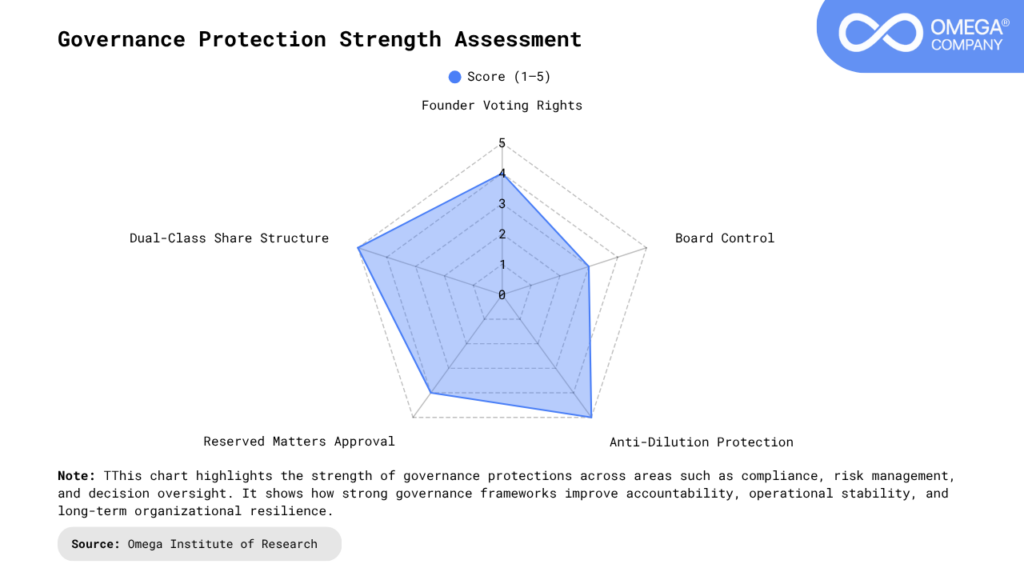
Establishing Governance: Expansion financing decisions should consider governance implications as carefully as financial outcomes. Businesses often focus heavily on valuation and funding amounts while underestimating the importance of ownership rights and voting structures. Governance protections such as board composition agreements, reserved decision-making authority, and dual-class share structures can help founders retain influence over critical business decisions. Strong governance frameworks also reduce conflicts between investors and management while creating clearer expectations and responsibilities. Implementing these protections early is essential because preserving control becomes more difficult as future funding rounds increase complexity and investor influence.
Expansion To Be Intentional, Not Reactive
Sustainable expansion does not necessarily require businesses to avoid equity financing entirely, as external investment can accelerate innovation, provide industry expertise, and support transformational growth when aligned with organizational objectives. The key consideration is intentionality in financing decisions. Companies should carefully evaluate whether funding sources align with long-term strategic goals, how ownership structures may evolve, what governance implications accompany new capital, and whether founders will retain sufficient influence over future direction. Businesses must also assess whether the expected growth justifies the level of control being relinquished. Expansion decisions made reactively under financial pressure often increase dilution risks and reduce strategic flexibility, whereas intentional financing strategies enable organizations to pursue growth while preserving independence, leadership vision, and long-term stability.
Conclusion
The assumption that aggressive growth inevitably requires surrendering ownership is increasingly outdated. Modern businesses possess access to broader financing ecosystems, innovative partnership models, and governance structures designed to protect founder control. Expansion without dilution does not mean rejecting external capital. Instead, it reflects strategic decision-making regarding when, how, and from whom capital should be obtained. Businesses that effectively balance growth ambitions with ownership preservation are often better positioned to sustain long-term competitiveness while remaining aligned with their founding vision. Ultimately, the most resilient organizations may not be those raising the largest amounts of capital, but those expanding intelligently while maintaining authority over their future direction.
- https://www.svb.com/startup-insights/startup-equity/startup-equity-dilution/
- https://en.wikipedia.org/wiki/Stock_dilution
- https://www.oecd.org/content/dam/oecd/en/publications/reports/2026/02/how-do-non-equity-instruments-shape-the-financing-paths-of-academic-start-ups_b43303b0/9cf21625-en.pdf
- https://www.linkedin.com/pulse/week-3-equity-financing-control-simon-hill-djuse/
- https://www.finrofca.com/startup-qa/financing-rounds-and-equity-dilution?
Subscribe
Select topics and stay current with our latest insights
- Functions