

- Industries
Industries
- Functions
Functions
- Insights
Insights
- Careers
Careers
- About Us

How Management Consulting Must Adapt to a New Fiscal Reality







The world of management consulting is experiencing a seismic shift, as firms once seen as pillars of strategic guidance now face mounting pressures from evolving client expectations, shrinking government and enterprise budgets, digital disruption, and geopolitical uncertainty. In this new fiscal reality defined by cost-cutting mandates, heightened scrutiny on spending, and skepticism toward intangible outcomes, clients demand faster results, clearer ROI, and leaner engagements, forcing consulting firms to fundamentally rethink their traditional models. This article explores how the consulting industry must evolve to stay relevant and valuable in an era where doing “more with less” has become a survival imperative. Firms must now embrace agile methodologies, data-driven decision-making, and specialized expertise to drive measurable impact. The ability to adapt quickly, prove value early, and operate with transparency is becoming the new gold standard. As the landscape continues to shift, those unwilling to transform risk becoming obsolete.
The Fiscal Landscape Has Changed
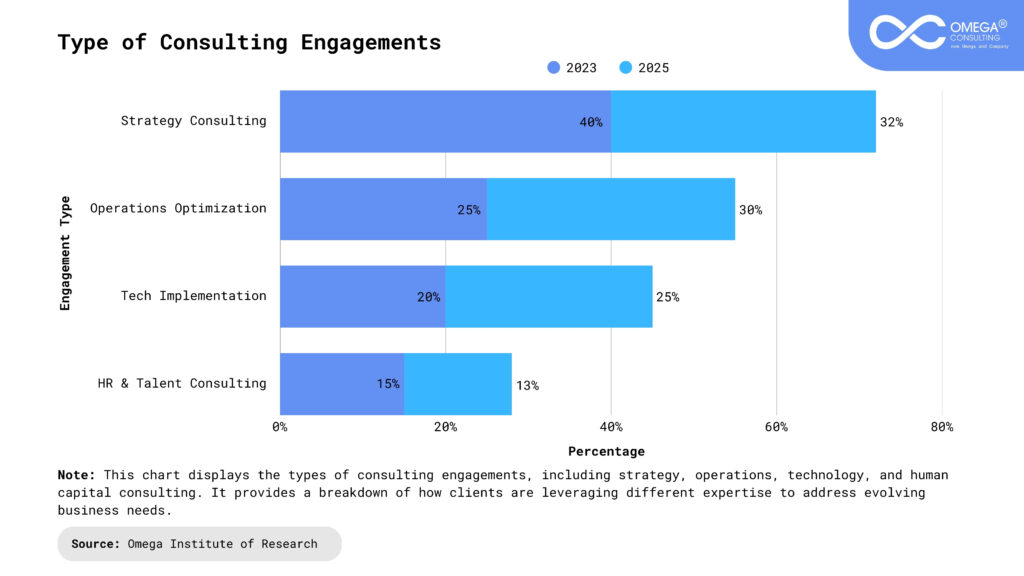
Governments and private enterprises alike are facing tightened budgets due to macroeconomic pressures, rising interest rates, inflation, and political polarization have significantly altered the landscape. The post-pandemic boom in consulting demand is now tapering off, replaced by cautious spending and rigorous value assessments.
Public Sector Cuts: Governments in the US, UK, and across the EU are re-evaluating their dependence on external consultants, particularly for non-critical or administrative services. In response to public and political scrutiny, many have imposed spending caps, audits, and stricter oversight on consulting contracts. Ministries are being urged to rely more on internal capabilities or shared services models to reduce costs. As a result, consulting firms must brace for increased competition, reduced demand, and more compliance-heavy engagement structures in the public sector.
Enterprise Layoffs and Budget Freezes: Major corporations are undergoing widespread layoffs and restructuring to cope with economic pressures, which has a direct impact on consulting budgets. With CFOs taking a more active role in budget allocation, every consulting engagement is now subject to higher levels of scrutiny. Even strategic projects are being postponed or downsized due to cost pressures. Consulting firms must therefore reposition themselves to offer leaner, more outcome-oriented services that align with their clients’ need to conserve capital and demonstrate clear returns.
Shifting Client Expectations
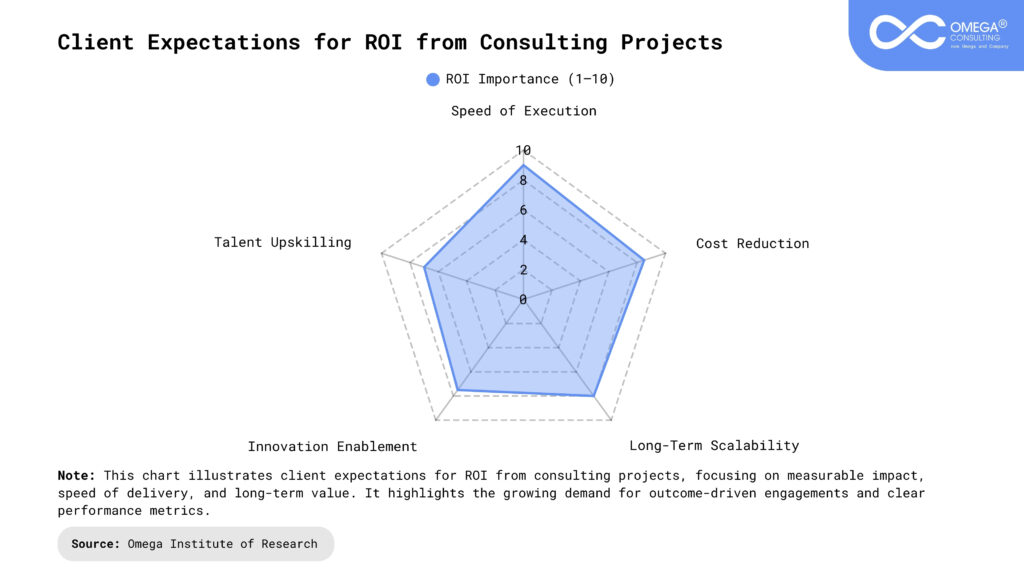
Today’s clients are more informed, digitally savvy, and result-oriented. They expect consultants to act as collaborative partners not distant strategists delivering measurable results quickly.
Outcomes Over Outputs: Clients are increasingly rejecting the traditional model of high-level strategy reports and PowerPoint-heavy deliverables. They now expect consultants to take responsibility for driving concrete business results. This means setting KPIs upfront, establishing timelines for measurable impact, and remaining accountable throughout the implementation process. Merely producing insights or recommendations is no longer sufficient; clients want real-world execution that moves the needle.
Customization and Speed: One-size-fits-all consulting frameworks have become obsolete. Today’s clients demand tailored strategies that address their unique business challenges, market realities, and organizational culture. Speed is also a top priority business environments are evolving rapidly, and clients want insights and interventions delivered in real time. Agile methodologies and rapid prototyping are replacing prolonged diagnostic phases, and firms must now demonstrate not just what to do, but how to do it fast.
Co-Creation is Key: Consulting engagements are now expected to be collaborative by design. Clients want to work alongside consultants in developing solutions, rather than receiving directives from the outside. This shift requires consultants to embed themselves within client teams, build trust, and facilitate knowledge transfer that empowers internal capabilities. Co-creation not only leads to more relevant solutions but also ensures greater organizational buy-in and successful long-term implementation.
Digital Transformation is Non-Negotiable
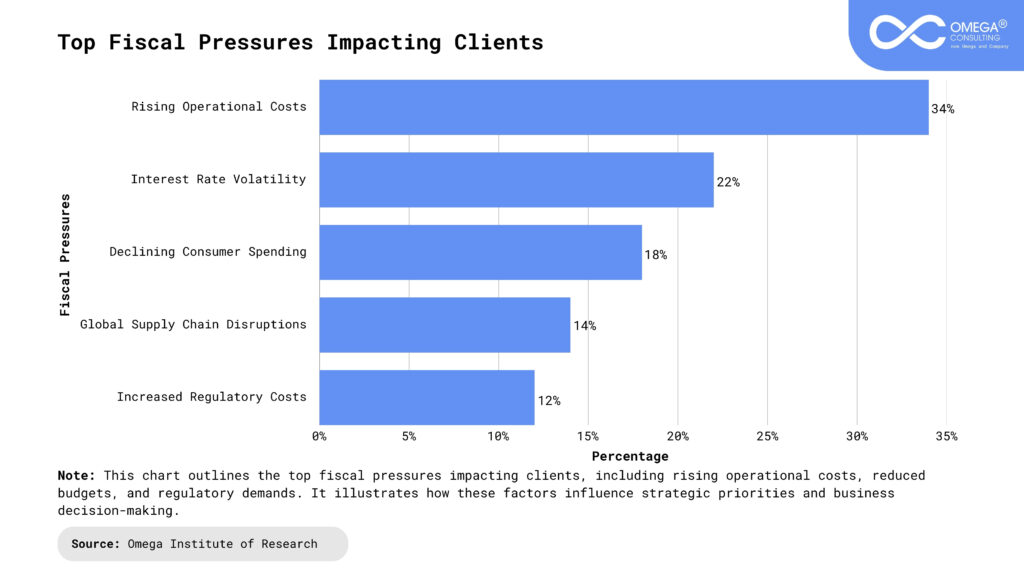
In a fiscally constrained environment, digital transformation is both a challenge and a solution. Clients expect consultants to not only understand digital tools but to apply them for accelerated, data-driven outcomes.
AI and Automation: From predictive analytics to generative AI, clients want consultants to apply cutting-edge technologies that reduce costs and accelerate results. AI tools are now being used to enhance customer service, optimize operations, and make data-backed strategic decisions. Process automation through RPA (robotic process automation) is also in demand, helping clients streamline workflows and reduce human error. Consulting firms must stay current with these advancements and embed AI into their service offerings to remain competitive.
Cloud and Platforms: Clients are increasingly asking for scalable, platform-based solutions that extend beyond project timelines. This includes building digital assets that clients can use and refine internally. Cloud infrastructure enables flexibility, scalability, and cost savings, making it the preferred approach for most technology-driven engagements. Subscription-based and SaaS-like consulting models are gaining traction, replacing the one-time project model with ongoing, tech-enabled partnerships.
Data-Driven Decision Making: Clients expect consultants to bring more than just intuition and experience; they want insights backed by robust data. This includes real-time dashboards, KPI tracking, automated reporting, and advanced analytics. Static, text-heavy reports are being replaced by interactive tools that provide actionable insights. To meet these expectations, consulting firms need to invest in data science, visualization, and AI talent, and embed these capabilities across every phase of engagement.
Lean, Agile, and Embedded Teams
Large, long-duration consulting engagements are becoming less attractive to clients. Instead, they are opting for smaller, agile teams that can move quickly and operate more cost-effectively.
Small, Cross-Functional Squads: Clients now prefer lean, highly skilled teams that bring a mix of strategy, technology, and operational expertise. These cross-functional squads are capable of rapid analysis, decision-making, and execution. Unlike traditional models that relied on large project teams with multiple layers of hierarchy, these smaller teams deliver better value and quicker results. Their compact structure allows for greater agility and adaptability in fast-moving environments.
Remote and Hybrid Models: As hybrid work becomes the norm, consulting engagements are being redesigned to be largely virtual. This shift reduces travel and logistical expenses, shortens project timelines, and enables access to global talent. Consultants can now support clients across time zones without needing to be physically present, enhancing productivity and responsiveness. The hybrid model also allows for more flexible team structures and resource allocation.
Embedded Execution: Clients are no longer satisfied with advisory-only support; they want consultants who roll up their sleeves and help execute. This includes guiding internal teams, facilitating change management, and ensuring capability building within the organization. Embedded consulting ensures that strategies don’t just stay on paper they are implemented effectively. This executional focus deepens client trust and often leads to longer-term partnerships.
New Pricing Models and ROI Metrics
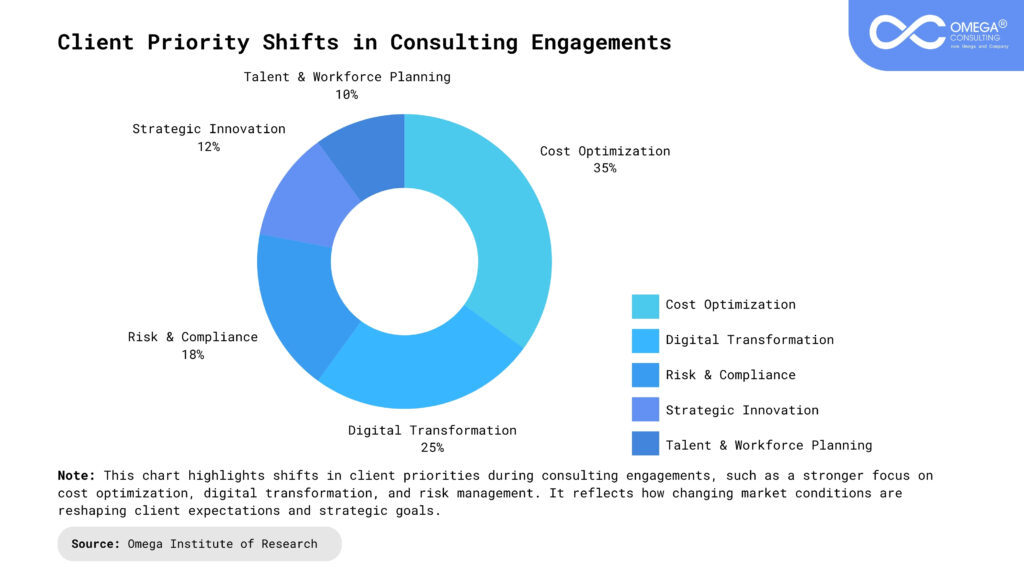
The traditional hourly or daily rate-based billing model is under scrutiny. Clients want pricing structures that align with outcomes, not time spent.
Outcome-Based Pricing: Many consulting firms are shifting to pricing models that tie compensation to specific performance outcomes, such as cost savings, revenue growth, or project milestones. This structure aligns the incentives of the consulting firm with those of the client and reinforces the focus on results. However, it also introduces delivery risk for the consultant, requiring careful scoping, data tracking, and expectation management. Clients, in turn, see outcome-based pricing as a sign of confidence and shared accountability.
Subscription and Retainer Models: In place of project-by-project engagements, many clients now prefer a retainer model that provides continuous access to consulting expertise. This subscription-like arrangement allows for more agile decision-making, as consultants are readily available without the need for a new contract every time a problem arises. It also enables consultants to build a deeper understanding of the client’s business and deliver ongoing value over time.
Clear ROI Benchmarks: Every engagement must now start with a clear definition of success, measurable objectives, financial targets, and expected time-to-value. These benchmarks are used to monitor progress, justify investment, and report to internal stakeholders. Consultants are expected to deliver regular performance updates and post-engagement reviews. This increased accountability demands robust measurement frameworks and the discipline to track, analyze, and report impact throughout the engagement lifecycle.
Navigating Regulatory and Ethical Expectations
Consulting firms are facing heightened scrutiny around ethics, compliance, and social responsibility especially in public sector and ESG-sensitive contexts.
Ethical Consulting Standards: Governments and civil society groups are questioning the ethics of spending public money on high-priced consultants. Issues such as transparency, influence over policymaking, and accountability have taken center stage. Consulting firms must now demonstrate that their engagements serve the public good and are managed with integrity. Compliance with ethical standards is not only a legal requirement but a trust-building necessity.
Conflict of Interest Controls: Clients demand strict safeguards against conflicts of interest, especially when a firm is advising multiple stakeholders in the same industry. This requires robust internal controls, clear boundaries between practices, and full disclosure policies. Clients are becoming more diligent in reviewing vendor relationships, and any perceived conflict can lead to reputational damage. Proactive transparency is essential to maintaining client trust and regulatory compliance.
Sustainability & DEI Reporting: Clients increasingly expect consulting firms to “walk the talk” on ESG (Environmental, Social, and Governance) and DEI (Diversity, Equity, and Inclusion) standards. This includes reporting on emissions, inclusive hiring, supplier diversity, and ethical sourcing practices. Firms that lead by example build credibility and differentiate themselves in a crowded market. ESG transparency has become a key criterion in RFPs and long-term vendor evaluations.
Upskilling and Talent Transformation
As consulting evolves, so too must the consultants themselves. Success now depends on developing a multidisciplinary, tech-savvy, and adaptive workforce.
Tech and Data Literacy: Clients expect consultants to understand and apply digital tools and data analytics in every project. Knowledge of platforms like Tableau, Python, SQL, and generative AI models is no longer optional; it’s critical. Consultants must serve as the bridge between business challenges and technological solutions. Firms that prioritize tech upskilling will deliver faster, smarter, and more relevant outcomes.
Design Thinking and Agile: The ability to solve problems creatively and iteratively is now a core consulting skill. Clients want consultants who can facilitate innovation workshops, prototype new solutions, and manage projects using agile methods. Design thinking helps ensure that recommendations are user-centric and practical. Agile approaches allow for faster iteration, testing, and course correction qualities that clients highly value in today’s uncertain environment.
Continuous Learning Culture: The tools, technologies, and client expectations in consulting are changing rapidly. To keep up, firms must foster a culture of continuous learning. This includes in-house academies, certifications, mentorship programs, and personalized learning journeys. Learning agility rather than just experience is becoming the new measure of value. Firms that invest in talent development will lead the next wave of consulting excellence.
Redefining the Value Proposition
To remain relevant, management consulting must evolve from a provider of advice to a true partner in transformation and growth.
From Strategy to Execution: Clients are demanding end-to-end support from initial planning to execution and sustainment. Firms must now offer services that help clients operationalize their strategies, manage change, and realize long-term impact. This includes project management, implementation, and performance tracking. By delivering on the full transformation journey, firms build lasting relationships and deeper trust.
From Generalist to Specialist: As industries become more complex, clients favor consultants with deep domain knowledge over broad generalists. Whether it’s fintech, healthcare, energy, or public policy, sector-specific expertise allows for more precise diagnostics and solutions. Consulting firms are responding by building industry-specific practices and recruiting professionals with hands-on experience in target sectors.
From External to Embedded: Consultants are increasingly becoming part of the client’s extended team. They are expected to immerse themselves in the client’s culture, work alongside internal teams, and act as trusted advisors not just external experts. This shift from transactional to relational engagements emphasizes long-term value, cultural fit, and shared ownership of outcomes.
Conclusion
Management consulting isn’t dying, it’s evolving. The new fiscal reality isn’t a threat but a catalyst for transformation. Firms that listen to clients, embrace digital tools, adapt pricing models, upskill their talent, and deliver measurable impact will not only survive but thrive. The focus must shift from traditional billable hours to delivering long-term value and outcomes that clients can clearly measure and trust. As organizations face tighter budgets and growing pressure to justify every dollar spent, consulting firms must align their services with strategic priorities and demonstrate tangible returns on investment. This demands a more proactive, agile, and client-centric approach, one that leverages technology, data, and innovation to redefine legacy consulting models. Ultimately, the firms that evolve in step with their clients’ changing needs will shape the future of the industry and emerge as trusted partners in a challenging economic landscape.
- https://www.ommax.com/en/insights/industry-insights/the-future-of-consulting-adapting-to-new-realities/
- https://hingemarketing.com/blog/story/top-5-business-challenges-for-management-consulting-firms
- https://consource.io/efficiently-managing-consulting-projects/
- https://consultingquest.com/insights/global-management-consulting-industry/
- https://nmsconsulting.com/insights/how-management-consultants-implement-technology-and-digital-transformation/
Subscribe
Select topics and stay current with our latest insights
- Functions