

- Industries
Industries
- Functions
Functions
- Insights
Insights
- Careers
Careers
- About Us

Leading Through Ambiguity: What Elite Executives Do Differently







Ambiguity has become the defining condition of modern leadership, driven by rapid technological change, geopolitical uncertainty, shifting customer expectations, and evolving business models. Executives today must make high-stakes decisions with incomplete information as traditional planning and leadership approaches quickly become outdated. While many leaders struggle in uncertain environments, elite executives thrive by creating clarity, adapting quickly, and taking decisive action. Rather than avoiding uncertainty, they leverage it as an advantage. This article explores how elite executives lead through ambiguity and what sets them apart from traditional leaders.
Decision-Making in the Absence of Perfect Information
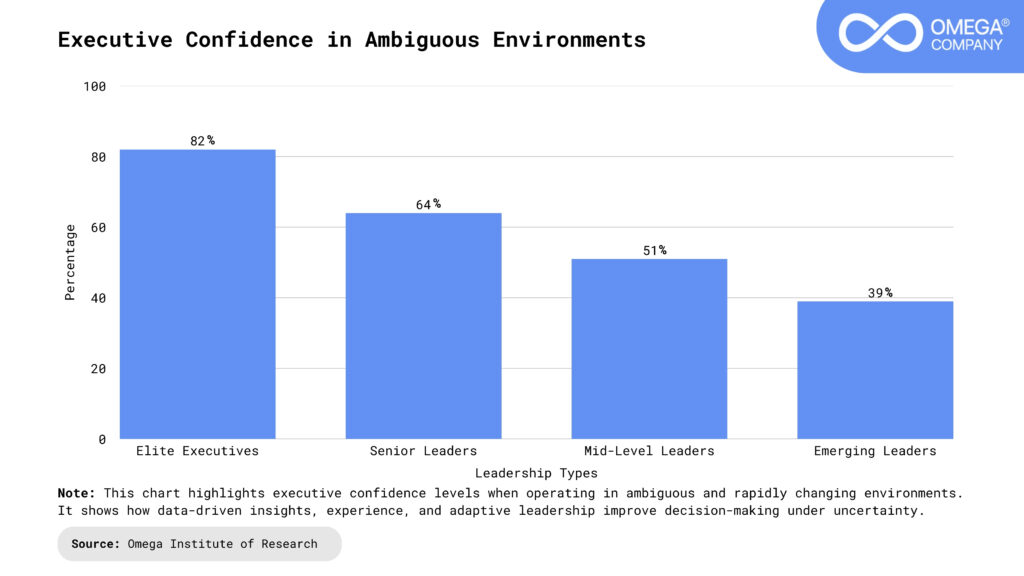
One of the defining characteristics of elite executives is their ability to make decisions with incomplete data. While traditional leaders often wait for certainty, high-performing executives understand that waiting can be more dangerous than acting, especially in fast-moving environments where markets shift quickly, competitors move aggressively, and opportunities emerge unexpectedly. Instead of seeking perfect information, they focus on identifying what they know, acknowledging uncertainties, assessing risks, and making informed yet timely decisions. They prioritize momentum over perfection, accept calculated risks, adjust quickly as new information emerges, and empower their teams to act decisively. This decision-making agility enables organizations to remain competitive and responsive even in highly uncertain conditions.
Bringing Clarity to Uncertain Environments
Ambiguity often creates confusion across organizations, making it difficult for teams to understand priorities, direction, and expectations. Elite executives step in to create clarity where none exists by simplifying complex situations and communicating with confidence and transparency. Rather than presenting uncertainty as a weakness, they frame it as an opportunity for innovation, alignment, and focused execution.
Direction: Elite executives define where the organization is heading, even when the path is still evolving. They provide a clear vision that helps teams stay focused despite changing conditions and emerging challenges. By consistently reinforcing this direction, leaders create confidence and ensure everyone understands the broader purpose behind their work.
Priorities: In uncertain environments, everything can seem urgent, which often leads to confusion and inefficiency. Elite leaders establish clear priorities, helping teams focus on what matters most at the moment. This focus reduces decision fatigue, improves execution, and ensures resources are directed toward the highest-impact initiatives.
Alignment: Clarity alone is not enough, teams must also understand their roles and responsibilities. Elite executives ensure alignment by clearly communicating expectations and encouraging collaboration across functions. This alignment reduces uncertainty, improves coordination, and enables organizations to move forward with confidence and speed.
Building Agile Decision-Making Structures
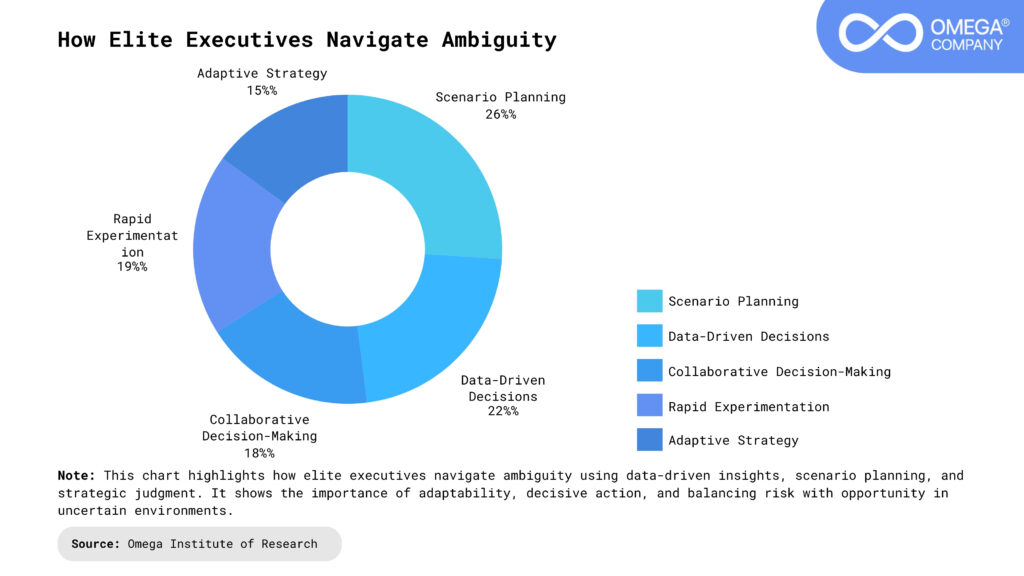
Ambiguity requires organizations to move faster, yet traditional hierarchical decision-making often slows progress and limits responsiveness. Elite executives recognize that centralized control can create bottlenecks, especially when rapid decisions are needed across multiple business areas. To overcome this, they redesign decision-making frameworks to support agility, decentralize authority, and empower teams to act quickly and confidently. By enabling faster responses and encouraging ownership, organizations become more adaptable and better equipped to navigate uncertainty.
Delegating Decision-Making Authority: Elite executives delegate decision-making authority to those closest to the problem, allowing faster and more informed actions. This approach reduces delays caused by excessive approvals and builds accountability within teams. As a result, employees feel empowered to take initiative, solve challenges proactively, and contribute more effectively to organizational goals.
Creating Cross-Functional Teams: Ambiguity often spans multiple departments, making collaboration essential. Elite leaders create cross-functional teams that bring diverse expertise together to address complex challenges. This collaborative structure improves problem-solving, accelerates decision-making, and ensures that different perspectives are considered before taking action.
Encouraging Experimentation: In uncertain environments, not every decision will be perfect, which is why elite executives encourage experimentation. They promote a culture where testing ideas, learning quickly, and iterating are valued over rigid planning. This mindset helps organizations innovate faster and adapt more effectively to changing conditions.
Reducing Bureaucracy: Excessive processes and approvals can slow organizations during times of uncertainty. Elite leaders streamline workflows, eliminate unnecessary steps, and simplify governance structures. By reducing bureaucracy, they enable faster execution, improve responsiveness, and maintain momentum even in rapidly evolving environments.
Operating on Principles Rather Than Rigid Plans
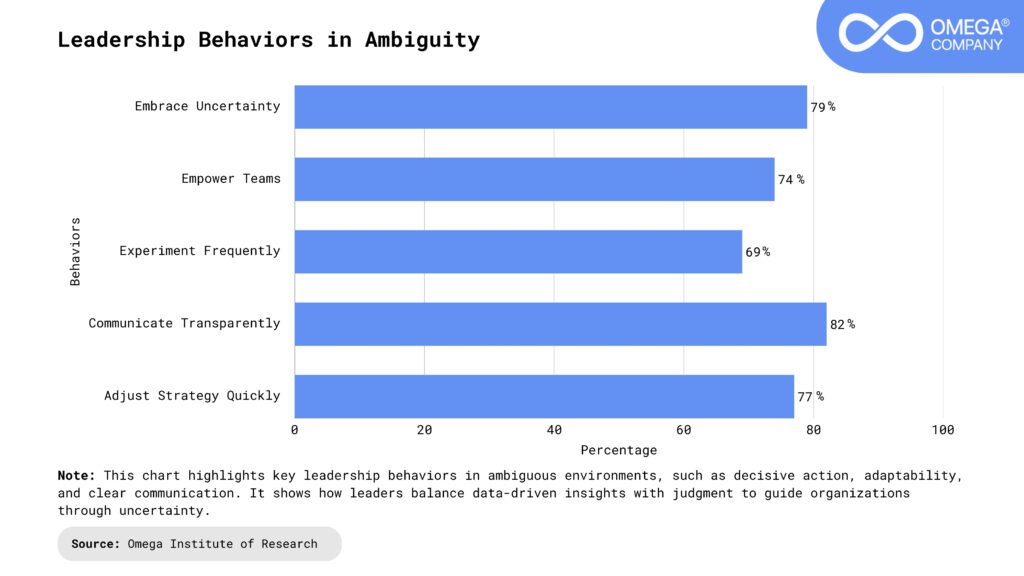
Rigid plans often fail in ambiguous environments because conditions change faster than strategies can be executed. Elite executives recognize that detailed long-term plans may quickly become outdated, making flexibility essential for sustained success. Instead of relying on fixed strategies, they establish guiding principles that help teams make consistent decisions while adapting to evolving circumstances. These principles act as a compass, allowing organizations to remain focused while adjusting to uncertainty and change.
Customer-First Decision-Making: Elite executives prioritize customer needs when making decisions, especially during uncertain times. By keeping the customer at the center, organizations can adapt their offerings and strategies based on changing expectations and market conditions. This approach strengthens customer relationships, improves loyalty, and ensures that decisions remain aligned with real market demands.
Long-Term Value Creation: Rather than focusing only on short-term gains, elite leaders emphasize long-term value creation. They make decisions that support sustainable growth, even when immediate results are uncertain. This perspective helps organizations remain resilient, build stronger foundations, and avoid reactive decision-making driven by temporary challenges.
Innovation-Driven Growth: Ambiguity often creates opportunities for innovation, and elite executives actively encourage new ideas and experimentation. They support teams in exploring creative solutions and adapting to emerging trends. This innovation-driven mindset enables organizations to stay competitive and discover new growth opportunities even in uncertain environments.
Operational Efficiency: Elite executives also focus on maintaining operational efficiency while navigating ambiguity. They streamline processes, optimize resources, and eliminate inefficiencies to improve responsiveness. By strengthening operational foundations, organizations can move faster, adapt quickly, and maintain stability despite changing conditions.
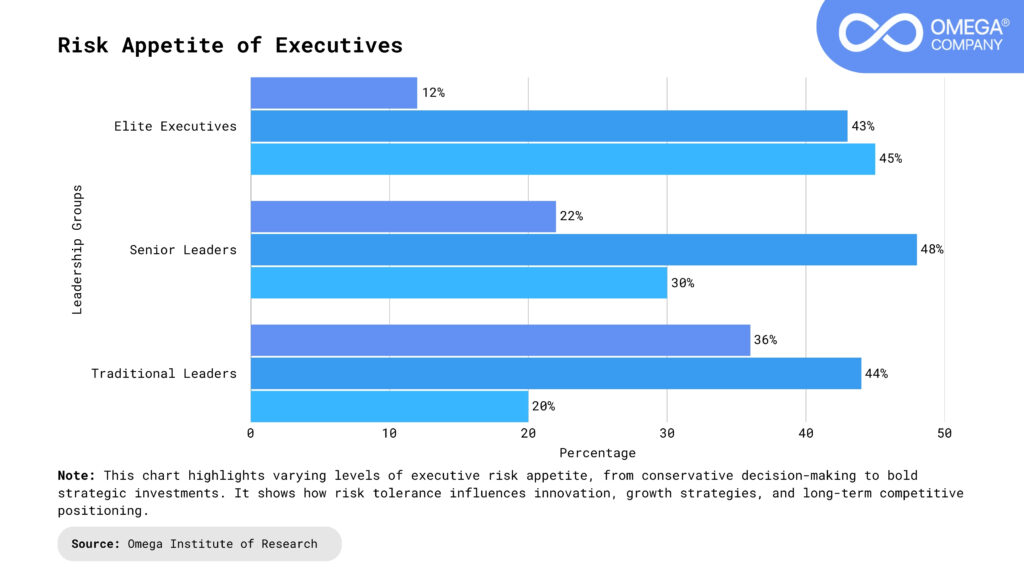
Experimentation and Learning as a Strategic Advantage
Ambiguity creates opportunities for experimentation, and elite executives actively encourage testing, iteration, and continuous learning. They understand that uncertainty often leads to new ideas, innovative solutions, and competitive advantages. Rather than fearing failure, they treat it as a valuable learning opportunity and foster a culture where teams feel safe to explore new approaches. This mindset helps organizations remain flexible, innovative, and prepared to adapt quickly to changing conditions.
Rapid Experimentation: Elite executives promote rapid experimentation to test ideas quickly and gather real-world insights. Instead of spending months planning, they encourage teams to launch small initiatives and learn from outcomes. This approach accelerates innovation, reduces delays, and helps organizations identify successful strategies faster.
Pilot Programs: Pilot programs allow organizations to test new concepts on a smaller scale before full implementation. Elite leaders use pilots to evaluate effectiveness, minimize risks, and refine strategies. This structured experimentation builds confidence and ensures that decisions are based on practical results rather than assumptions.
Iterative Strategy Development: In ambiguous environments, strategies must evolve continuously. Elite executives adopt an iterative approach, refining plans based on feedback and new information. This flexibility helps organizations remain responsive and aligned with changing market conditions.
Continuous Learning: Elite leaders encourage continuous learning across teams and leadership levels. They invest in knowledge sharing, skill development, and reflection on past experiences. This commitment to learning strengthens decision-making, improves adaptability, and enables organizations to thrive in uncertain environments.
Developing Organizational Resilience
Ambiguity often brings unexpected challenges, and elite executives focus on building resilient organizations that can withstand uncertainty and disruption. They invest in strong leadership teams that can make confident decisions, develop flexible operating models that allow quick adjustments, create diversified revenue streams to reduce dependency on a single source, and implement scalable technology infrastructure to support growth and adaptability. By strengthening these areas, leaders ensure their organizations remain stable, responsive, and prepared for change, allowing them to recover quickly from disruptions and continue moving forward with confidence.
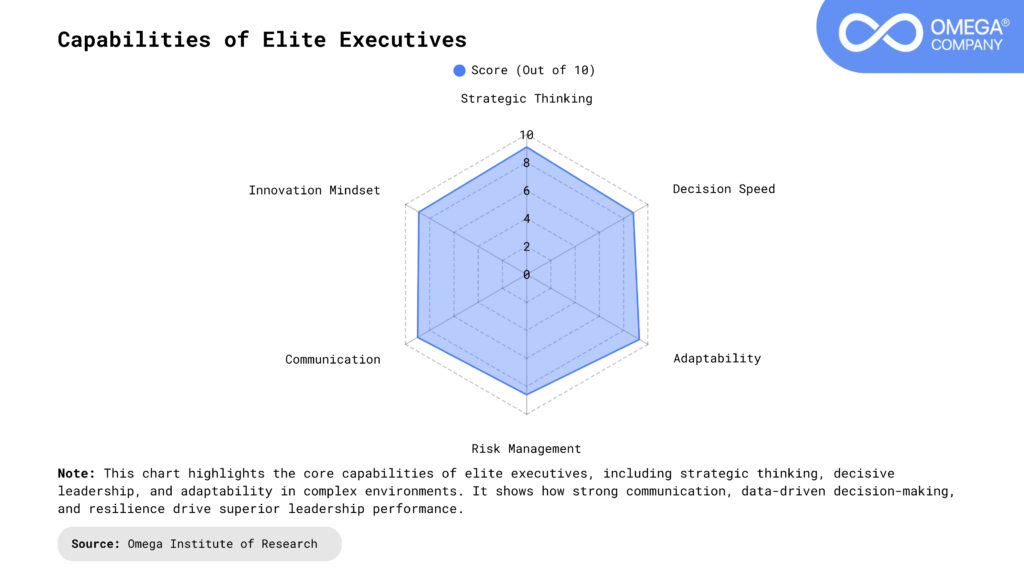
Why Leading Through Ambiguity Matters More Than Ever
Organizations today face constant disruption driven by rapid technological innovation, economic volatility, and evolving workforce expectations, creating highly unpredictable environments. Leaders who struggle to navigate ambiguity risk falling behind as markets shift and competitors adapt more quickly. In contrast, those who embrace uncertainty, make confident decisions, and adapt continuously gain a significant competitive advantage. Leading through ambiguity is no longer optional but essential for organizations that want to remain resilient, innovative, and successful in an increasingly complex business landscape.
Conclusion
Leading through ambiguity has become one of the defining capabilities of modern executives, as constant change and limited certainty reshape today’s business environment. Elite leaders distinguish themselves by acting decisively, empowering their teams, and adapting quickly to evolving realities, creating momentum rather than waiting for perfect clarity. Leadership in uncertain times is not about having all the answers but about asking the right questions, making thoughtful decisions, and building resilient organizations that thrive amid change. As ambiguity becomes the new normal, executives who embrace uncertainty will not only navigate disruption but also shape the future.
- https://www.theinnerboardroom.co/p/leading-through-uncertainty
- https://www.corporatecomplianceinsights.com/how-leaders-make-decisions-in-the-face-of-ambiguity/
- https://ivyexec.com/career-advice/2022/leading-through-ambiguity
- https://www.deloitte.com/us/en/insights/topics/business-strategy-growth/leading-through-uncertainty-strategic-decisions.html
- https://www.navex.com/en-us/blog/article/leading-through-ambiguity-the-compliance-leader-s-role-in-a-time-of-competing-pressures/
Subscribe
Select topics and stay current with our latest insights
- Functions