

- Industries
Industries
- Functions
Functions
- Insights
Insights
- Careers
Careers
- About Us

Leading Through Uncertainty: How CEOs Can Protect Growth and Profitability







Business uncertainty has become a defining challenge for modern organizations, as economic fluctuations, geopolitical tensions, changing customer expectations, technological disruption, rising operating costs, and competitive pressures make long-term planning increasingly complex. For CEOs, the challenge is no longer simply to respond to unexpected changes but to lead organizations through uncertainty while protecting growth, profitability, and long-term competitiveness. Successful leadership requires a balance between financial discipline and strategic flexibility, enabling companies to adjust priorities, allocate resources effectively, identify emerging opportunities, and make confident decisions despite incomplete information. CEOs who combine proactive risk management with disciplined execution can strengthen organizational resilience, navigate disruption more effectively, and turn periods of uncertainty into opportunities for sustainable growth.
Understanding the Business Impact of Uncertainty
Business uncertainty affects nearly every aspect of an organization, from investment decisions and workforce planning to supply chain management and customer relationships. Shifting market conditions can influence purchasing behavior, increase operating expenses, delay strategic initiatives, and create pressure on revenue forecasts. One of the biggest risks for leadership teams is making decisions based on outdated assumptions, as strategies that succeed in stable conditions may become ineffective when customer demand changes or financial pressures increase. Without timely responses, organizations may face declining profit margins, inefficient resource allocation, and weakened competitive positioning. CEOs must therefore maintain a clear understanding of the internal and external factors influencing business performance by monitoring economic indicators, industry developments, customer behavior, competitor strategies, and operational performance to identify potential threats early and address them before they become significant business challenges.
Protecting Profitability Through Financial Discipline
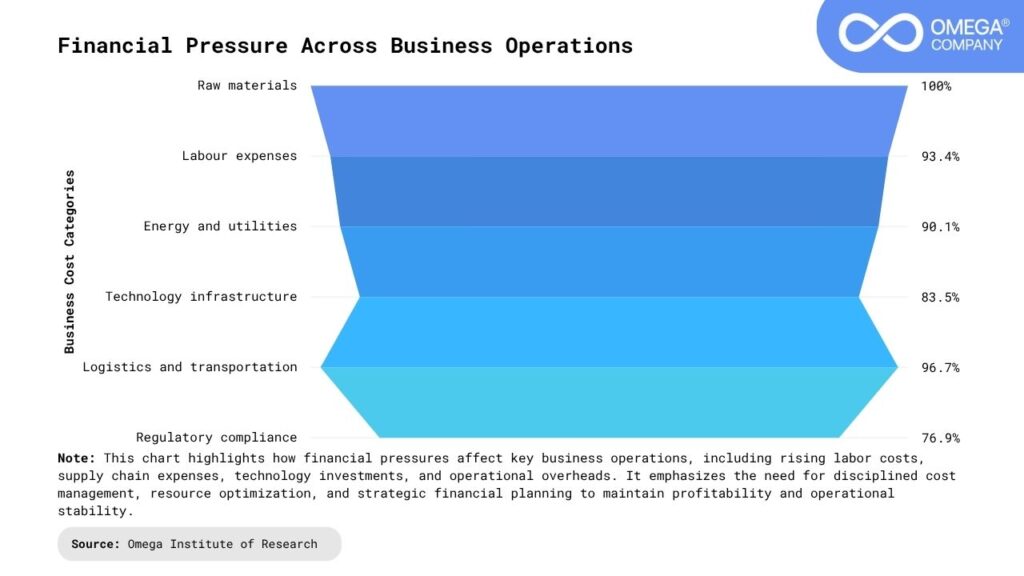
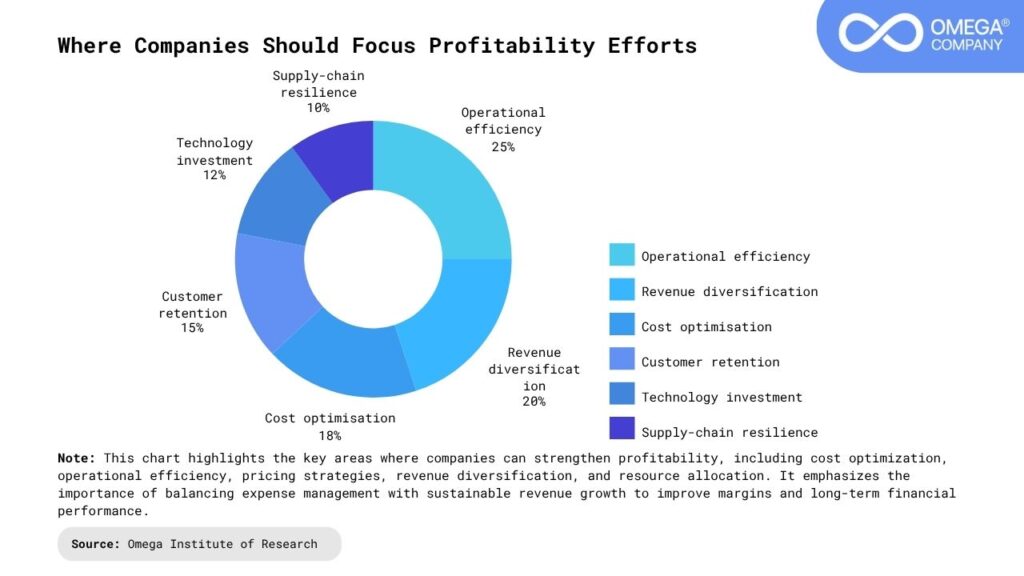
Optimize operating costs: Identify unnecessary expenses, process inefficiencies, and opportunities to improve resource utilization without compromising essential capabilities. Regularly evaluate departmental spending and streamline workflows to eliminate avoidable costs. Focus on sustainable cost optimization rather than short-term reductions that could weaken operational performance.
Improve cash flow management: Strengthen receivables management, monitor working capital, and maintain sufficient liquidity to manage unexpected financial pressures. Establish clear cash flow monitoring practices to identify potential shortfalls before they affect business operations. Better payment management and disciplined financial planning can provide greater flexibility during uncertain market conditions.
Protect profit margins: Review pricing strategies, supplier agreements, product profitability, and cost structures to maintain healthy margins. Identify areas where rising input costs or changing customer expectations could put pressure on profitability. CEOs should also evaluate opportunities to improve operational efficiency and deliver greater customer value without unnecessarily increasing expenses.
Prioritise high-return investments: Direct capital toward initiatives that support measurable business outcomes, operational improvements, and competitive advantage. Evaluate investment proposals based on expected returns, implementation costs, strategic relevance, and potential risks. This approach helps organizations avoid unnecessary spending while ensuring that limited resources support their most valuable growth opportunities.
Strengthen financial forecasting: Use multiple financial scenarios to understand how changes in demand, costs, and market conditions could affect profitability. Develop realistic best-case, base-case, and worst-case projections to prepare for different business environments. Regularly update forecasts using current performance data so leadership teams can make timely adjustments to budgets, investments, and operating priorities.
Building Agile Business Strategies
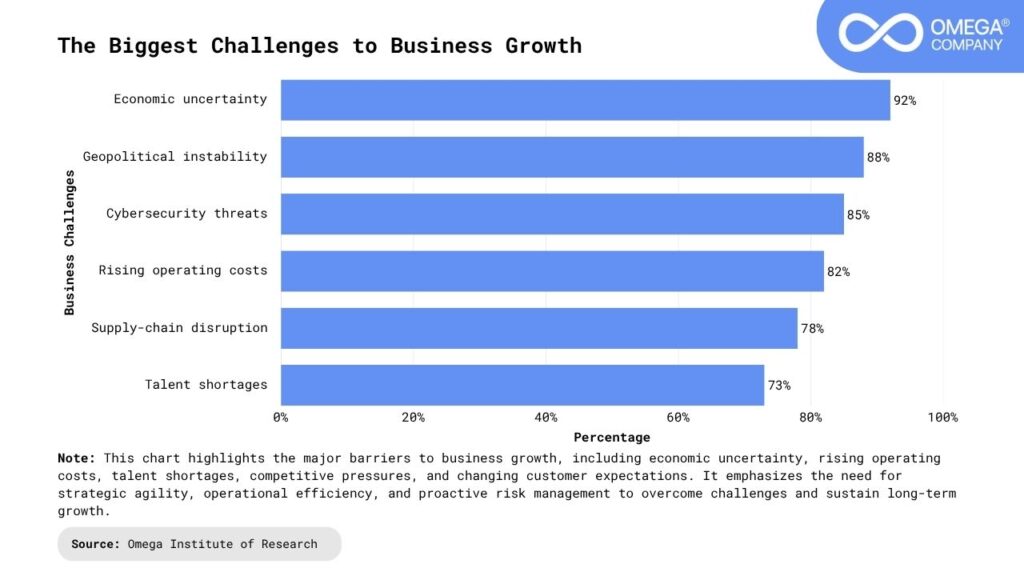
Traditional strategic planning often assumes that market conditions will remain relatively predictable over extended periods, but today’s business environment requires organizations to reassess priorities frequently and respond quickly to changing circumstances. CEOs can strengthen strategic agility by developing flexible business plans supported by measurable objectives, continuous performance monitoring, and regular strategic reviews. Rather than relying entirely on fixed annual forecasts, leadership teams should adopt shorter planning cycles to evaluate progress, identify emerging risks, and adjust execution priorities as needed. Scenario planning is equally important, allowing organizations to assess optimistic, moderate, and adverse business conditions and understand their potential impact on revenue, profitability, workforce requirements, and investment decisions. By preparing practical responses to different possible outcomes, executives can reduce uncertainty, avoid reactive decision-making, allocate resources more effectively, and maintain a clear strategic direction even when market conditions change unexpectedly.
Diversifying Revenue and Protecting Business Growth
Expand into New Customer Segments: Identify emerging customer groups and underserved markets that align with the organization’s products, services, and capabilities. Conduct market research to understand changing customer expectations, purchasing behavior, and potential demand. Expanding into new segments can reduce dependence on existing customers and create additional revenue opportunities. A targeted expansion strategy also helps businesses strengthen their market presence and reach new sources of growth.
Develop Complementary Products and Services: Explore opportunities to introduce products, services, or digital solutions that complement existing offerings. Evaluate customer needs, market demand, development costs, and potential profitability before introducing new offerings. Building on existing capabilities can help organizations generate additional revenue without completely changing their business models. This approach also creates opportunities to increase customer value and strengthen long-term competitiveness.
Strengthen Strategic Partnerships: Build partnerships with complementary businesses, technology providers, distributors, and industry stakeholders to access new markets and capabilities. Strategic collaborations can reduce expansion costs, improve market reach, and create opportunities for shared innovation. CEOs should evaluate potential partners based on their expertise, strategic alignment, and long-term value. Well-structured partnerships can accelerate growth while reducing the risks associated with independent expansion.
Prioritize Customer Retention and Experience: Protect existing revenue by strengthening customer relationships, improving service quality, and consistently delivering measurable value. Organizations should monitor customer feedback, satisfaction levels, retention rates, and changing expectations to identify opportunities for improvement. Personalized engagement and reliable customer support can strengthen loyalty and encourage repeat business. Retaining valuable customers also reduces the financial pressure associated with continuously acquiring new ones.
Explore New Markets and Revenue Channels: Evaluate opportunities to expand into attractive geographic markets, digital platforms, and alternative distribution channels. Before entering new markets, assess competitive conditions, regulatory requirements, customer demand, and operational readiness. A carefully planned expansion strategy can reduce dependence on a single market while creating additional sources of sustainable revenue. CEOs should prioritize opportunities that offer realistic returns and align with the organization’s long-term growth objectives.
Improving Decision-Making in Uncertain Conditions
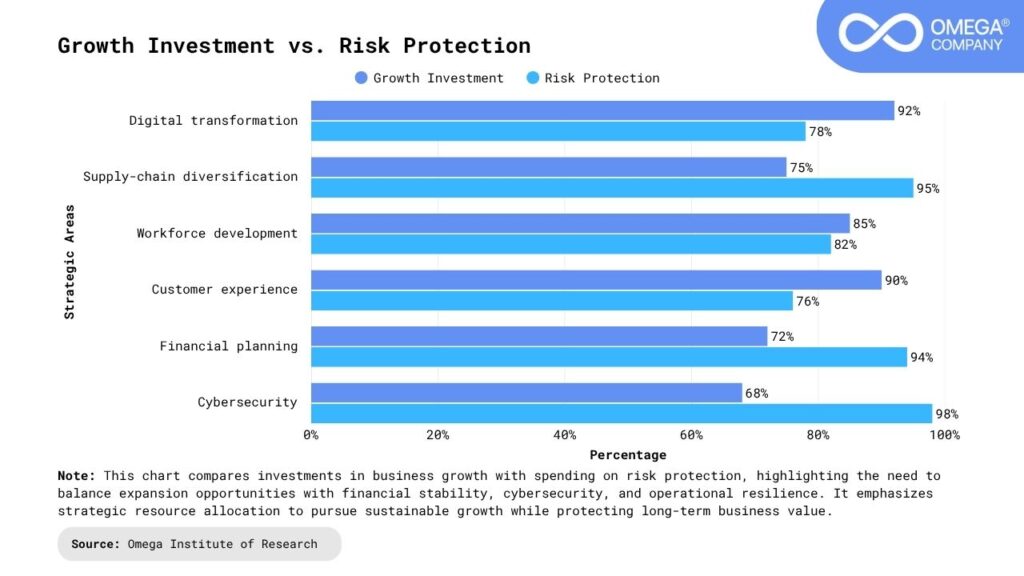
One of the most demanding responsibilities of a CEO is making critical business decisions without having complete information, as waiting for absolute certainty can result in missed opportunities, while acting too quickly without proper evaluation may expose the organization to unnecessary risks. Effective decision-making requires a combination of reliable data, leadership experience, strategic judgment, and clearly defined priorities. CEOs should distinguish between decisions that are difficult to reverse, such as major capital investments, acquisitions, and long-term commitments, and those that can be adjusted as new information becomes available, allowing smaller operational improvements and strategic experiments to move forward more quickly. Encouraging diverse perspectives across finance, operations, technology, sales, and human resources also helps leadership teams identify potential risks and opportunities that may otherwise go unnoticed. Ultimately, the goal is not to eliminate uncertainty before making decisions but to establish a structured decision-making approach that enables organizations to act responsibly, learn from outcomes, manage potential risks, and adapt their strategies as business conditions evolve.
The CEO’s Strategic Priorities for Leading Through Uncertainty
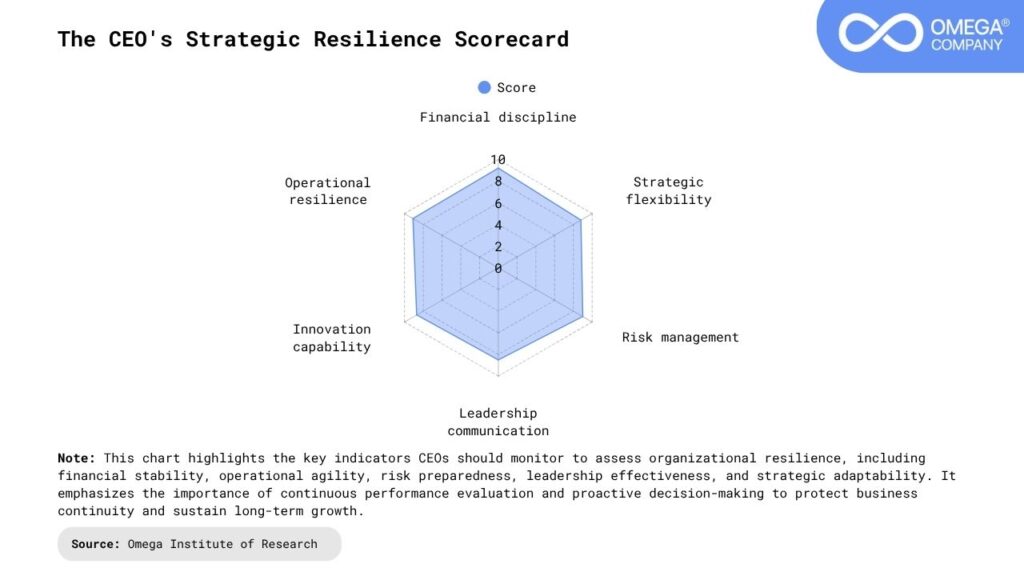
Financial Resilience: Maintain strong cash flow, disciplined spending, healthy profit margins, and sufficient financial flexibility to manage unexpected challenges. CEOs should regularly review financial performance, identify potential cost pressures, and ensure resources are allocated to essential business priorities. Maintaining adequate liquidity and realistic financial forecasts helps organizations respond effectively to changing market conditions. A resilient financial foundation also enables businesses to protect critical investments while managing short-term economic pressures. This discipline supports long-term stability without sacrificing future growth opportunities.
Strategic Agility: Reassess business assumptions, use scenario planning, and adjust organizational priorities as market conditions evolve. Leadership teams should continuously monitor industry developments, customer expectations, competitive movements, and emerging risks to identify when strategic changes are necessary. Flexible planning processes allow businesses to respond quickly without losing sight of their long-term objectives. CEOs should also encourage experimentation and continuous learning to identify new opportunities. This approach helps organizations remain competitive and make informed decisions even when future conditions are difficult to predict.
Sustainable Growth: Strengthen customer relationships, diversify revenue opportunities, and prioritize investments that deliver measurable business returns. CEOs should focus on building long-term customer value rather than pursuing short-term revenue gains that may compromise profitability. Exploring new markets, developing complementary services, and strengthening existing customer relationships can create more reliable sources of income. Investment decisions should be supported by clear performance indicators, realistic financial expectations, and strategic alignment. Sustainable growth enables organizations to expand their market position while maintaining financial discipline and operational stability.
Operational Adaptability: Leverage technology, automation, and process improvements to increase efficiency, reduce operational costs, and strengthen organizational responsiveness. CEOs should identify outdated workflows, resource bottlenecks, and operational gaps that may limit business performance during periods of disruption. Investing in digital capabilities and employee skills can help organizations improve productivity and respond more effectively to changing demands. Regularly reviewing operational performance also allows leadership teams to identify inefficiencies and implement timely improvements. An adaptable operating model enables businesses to maintain service quality and business continuity under changing conditions.
Leadership Alignment: Establish transparent communication, clear accountability, and a workforce capable of navigating organizational change. CEOs must ensure that leadership teams understand business priorities, performance expectations, and the actions required to achieve strategic objectives. Consistent communication helps reduce uncertainty among employees and builds confidence during periods of disruption. Encouraging collaboration across departments also improves coordination, strengthens problem-solving, and prevents conflicting priorities. Strong leadership alignment creates a culture of shared responsibility, adaptability, and resilience that supports organizational performance over the long term.
Conclusion
The ability to lead through uncertainty is becoming one of the most important capabilities for modern CEOs as economic volatility, technological disruption, changing customer expectations, and competitive pressures continue to challenge traditional business strategies. Organizations that rely on rigid planning and reactive cost reductions may struggle to protect profitability and achieve sustainable growth. Successful leaders approach uncertainty with preparation, financial discipline, strategic flexibility, and transparent communication while continuously evaluating business performance, identifying emerging risks, strengthening operational capabilities, and investing in opportunities that create long-term value. Ultimately, protecting growth and profitability is not about predicting every market change but about building an organization that can adapt to evolving conditions, make informed decisions under pressure, and remain focused on its strategic objectives. CEOs who develop these leadership capabilities can transform uncertainty from a business threat into an opportunity to build stronger, more resilient, and more competitive organizations.
- https://www.workingvoices.com/insights/leading-through-uncertainty/
- https://www.skema.edu/en/news/leading-through-uncertainty
- https://www.instituteofcustomerservice.com/leading-through-uncertainty/
- https://www.forbes.com/sites/margiewarrell/2020/03/08/leading-through-coronavirus-how-those-in-charge-can-navigate-the-uncertainty-with-calm--courage/
- https://www.anavogrowth.com/leading-through-uncertainty-what-high-growth-ceos-do-differently/
Subscribe
Select topics and stay current with our latest insights
- Functions