

- Industries
Industries
- Functions
Functions
- Insights
Insights
- Careers
Careers
- About Us

Power Networks: How Top Executives Quietly Control Opportunity Flow







Organizations are often viewed through formal structures such as reporting hierarchies, job titles, performance systems, and organizational charts, but beneath these visible frameworks lies a powerful network of informal relationships that significantly influences career growth and business outcomes. Executive power networks shape who gains access to critical information, strategic projects, leadership visibility, mentorship opportunities, and advancement prospects through trust, sponsorship, and informal channels rather than direct authority alone. These networks often determine how resources are allocated, how decisions are influenced, and which individuals are positioned for future leadership roles. In today’s collaborative workplace, where social capital, influence, and relationship-building can be just as important as technical expertise, understanding these hidden dynamics has become essential. This article explores how executive power networks drive the flow of opportunities, why informal influence frequently outweighs hierarchy, and how professionals can navigate these systems ethically and effectively to accelerate both individual and organizational success.
Understanding Power Networks
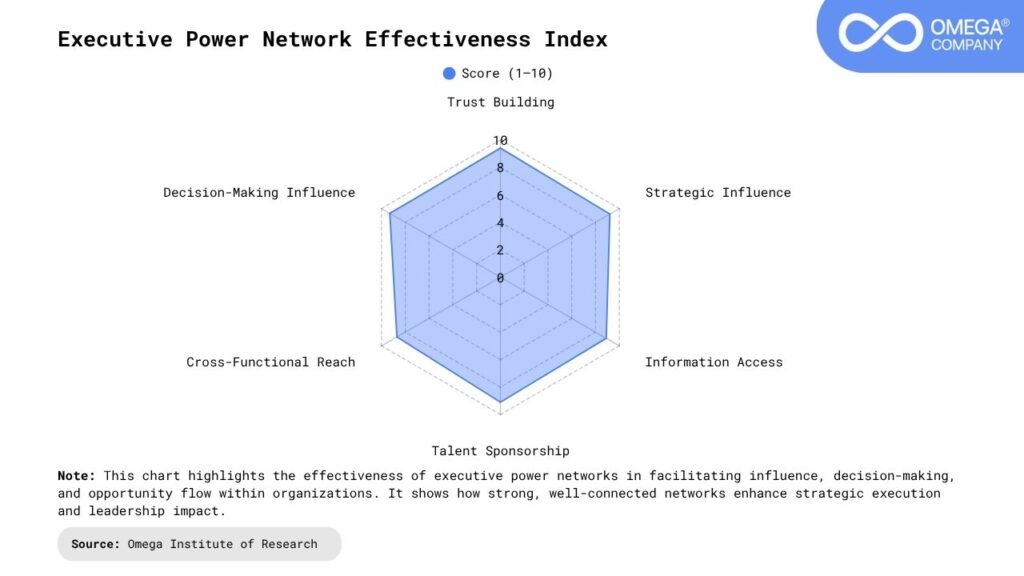
Power networks are informal systems of relationships that influence decision-making, information sharing, and resource allocation within organizations, operating beyond the formal reporting structures shown on organizational charts. Unlike hierarchy-based systems, these networks are built through trust, influence, sponsorship, social connections, cross-functional alliances, and informal communication channels. They shape how information moves, how decisions are influenced, and who gains access to valuable opportunities and resources. Employees who occupy central positions within these networks often receive earlier access to critical information, stronger support from influential leaders, and greater visibility across the organization. Research in organizational network analysis consistently demonstrates that influence tends to concentrate around highly connected individuals rather than strictly following formal authority lines. As a result, opportunities, recognition, and career advancement rarely flow equally across organizations, even when official systems appear fair, transparent, and standardized.
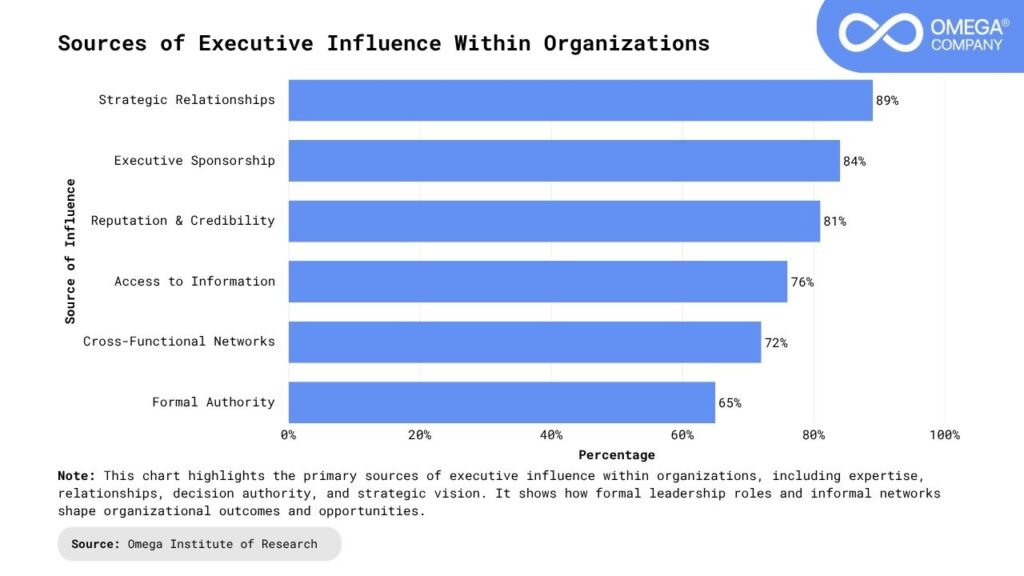
Why Opportunity Flow Matters More Than Organizational Charts
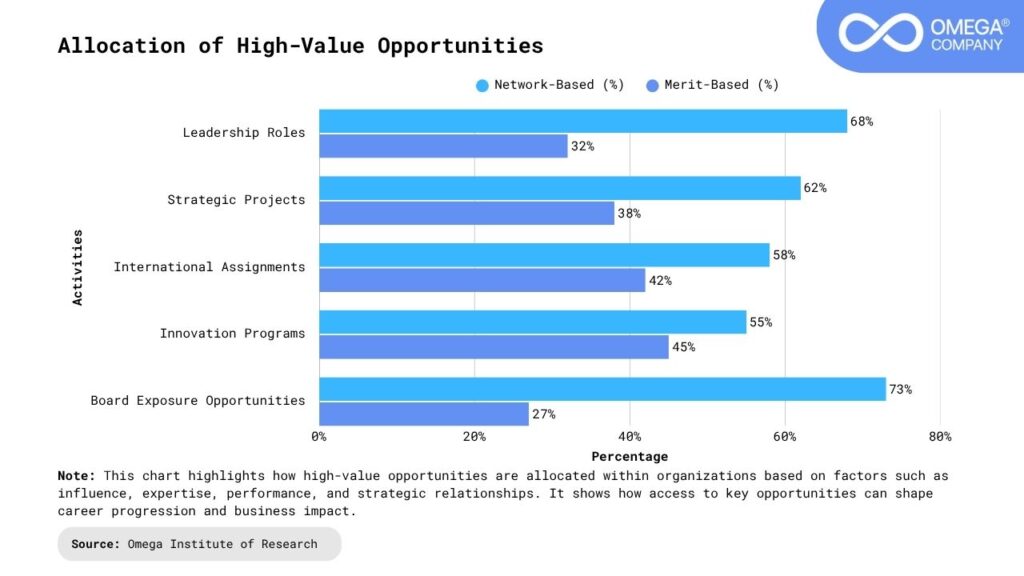
Many professionals assume that promotions and career growth depend primarily on performance. While performance remains important, access to opportunities often determines whether strong performance becomes visible to decision-makers. Opportunity flow refers to how projects, information, mentorship, and visibility move through organizations and these flows are often shaped by informal networks rather than formal structures.
Access to High-Visibility Projects: Strategic projects often serve as career accelerators because they expose employees to senior leadership and critical business initiatives. Individuals repeatedly selected for these assignments tend to gain faster promotions, larger responsibilities, stronger reputations, and increased leadership exposure. However, executives frequently choose people they already know, trust, or have worked with previously. As a result, employees embedded within influential networks often receive disproportionate access to these opportunities, creating long-term advantages.
Information Advantages: Information itself functions as a form of organizational power. Employees who are well-connected frequently receive important updates earlier than others, including news about restructuring, leadership changes, expansion plans, or upcoming projects. Early access allows individuals to prepare, position themselves strategically, and respond faster than peers. Over time, these information advantages compound, creating significant differences in career progression and influence.
Sponsorship Effects: While mentorship focuses primarily on guidance and advice, sponsorship involves active advocacy. Sponsors use their influence to recommend individuals for opportunities, defend decisions, create introductions, and allocate resources or assignments. Research consistently shows that sponsorship gaps contribute to unequal advancement opportunities because employees without influential advocates often struggle to gain visibility. In many organizations, sponsorship acts as a bridge between strong performance and career advancement.
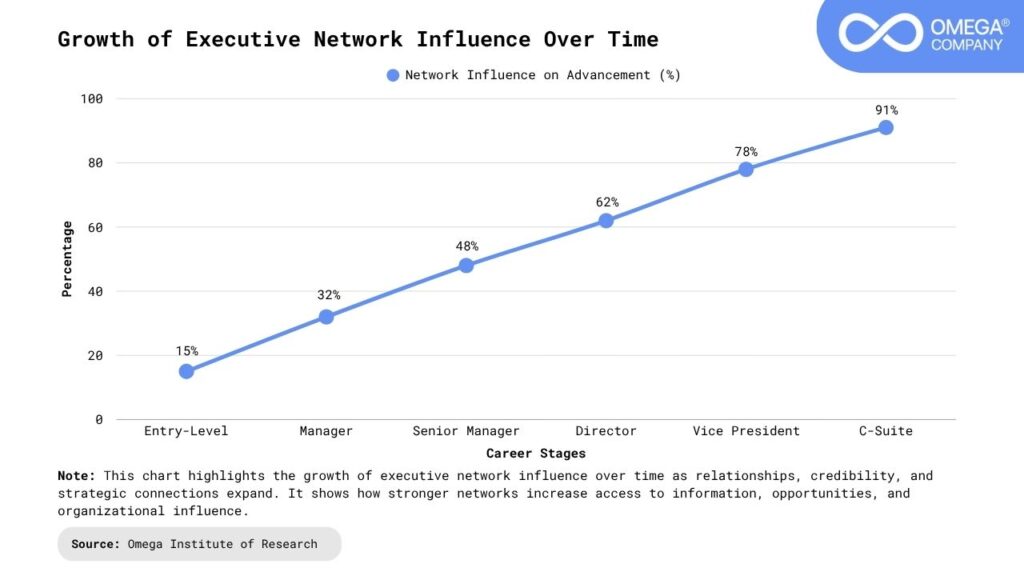
The Four Mechanisms Executives Use to Shape Opportunity Flow
Executives influence opportunity distribution through several interconnected mechanisms that extend beyond formal authority. These mechanisms shape who gains access, visibility, and influence within organizations.
Network Centrality: Executives often occupy highly central positions within organizational networks, meaning they maintain more connections, possess greater access to information, and influence a wider range of stakeholders. Individuals positioned close to these central figures benefit from increased visibility and stronger access to opportunities. Organizational network studies consistently show that senior employees exhibit greater connectivity than operational staff, reinforcing the idea that influence grows through network position as much as through hierarchy.
Gatekeeping: Executives frequently act as gatekeepers because they control access to resources, projects, promotions, and hiring decisions. Gatekeeping influences who receives budget approvals, leadership exposure, and ownership of strategic initiatives. Importantly, gatekeeping is not always intentional exclusion. Leaders often rely repeatedly on trusted individuals because familiarity reduces uncertainty. However, this tendency can unintentionally narrow opportunity distribution and reinforce existing networks.
Informal Coalitions: Major organizational decisions rarely happen in isolation. Executives often build informal coalitions groups of trusted colleagues and allies who influence strategic priorities, talent decisions, and resource allocation. These coalitions create concentrated centers of influence that shape organizational direction behind the scenes. Employees connected to these groups often gain earlier access to opportunities and stronger visibility within leadership circles.
Reputation Loops: Networks amplify reputation by increasing exposure and reinforcing perceptions of competence. Employees with higher visibility often receive more referrals, invitations, and project ownership opportunities. This creates self-reinforcing cycles where visibility leads to opportunity, opportunity leads to achievement, and achievement generates even greater visibility. Over time, these reputation loops widen differences between highly connected employees and those operating outside influential networks.
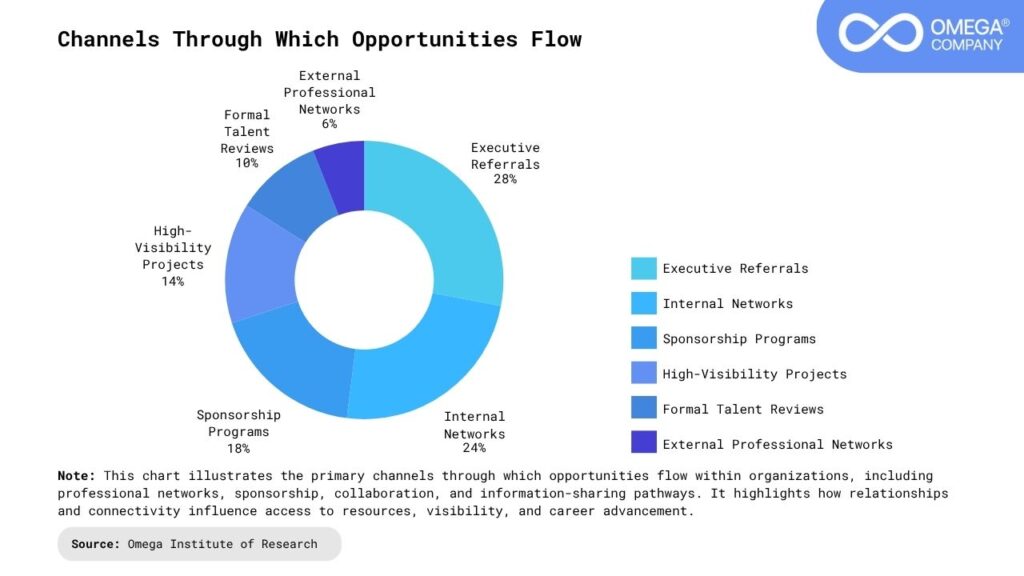
Why Remote and Hybrid Work Changed Power Networks
The rise of remote and hybrid work significantly altered how professional networks form and operate. Traditional workplace interactions that once supported relationship-building became less frequent, changing how influence develops within organizations.
Reduced Informal Interactions: Remote work reduced spontaneous interactions such as hallway conversations, lunch meetings, and casual office discussions. These informal moments often played a critical role in relationship-building and information sharing. Without them, employees have fewer opportunities to create organic connections.
Slower Relationship Building: Building trust and professional relationships takes longer in virtual environments. New employees, in particular, often struggle to integrate into existing networks because they lack informal exposure to colleagues and leadership. This slower relationship-building process can delay visibility and career progression.
Digital Visibility Bias: Remote work introduced new forms of visibility bias. Employees who communicate frequently through digital platforms, participate actively in meetings, or maintain strong online presence often gain greater recognition. As organizations increasingly rely on digital collaboration tools, network participation itself becomes a key determinant of visibility and influence.
Hidden Risks of Concentrated Power Networks
Although power networks improve coordination and efficiency, they also create organizational risks when influence becomes overly concentrated.
Bias Amplification: People naturally gravitate toward familiar individuals and trusted contacts. While this behavior improves efficiency, it can unintentionally reinforce bias by limiting diversity in hiring, promotions, and project assignments. Over time, organizations may become less inclusive if opportunities circulate within narrow networks.
Information Bottlenecks: When influence concentrates among a small group of individuals, communication pathways narrow. Information bottlenecks can slow decision-making, reduce innovation, and limit organizational agility. Teams become dependent on a few key connectors, making collaboration less efficient.
Organizational Fragility: Organizations that rely heavily on influential connectors become vulnerable when those individuals leave. The departure of highly connected employees can disrupt communication flows, weaken collaboration, and create leadership gaps that are difficult to replace quickly.
How Professionals Can Navigate Power Networks Ethically
Although employees cannot fully control organizational politics, they can strengthen their position within networks through intentional relationship-building and value creation.
Build Cross-Functional Relationships: Professionals who remain confined to one department often limit their visibility. Building relationships across functions increases exposure to different teams, projects, and leaders. Cross-functional networks create broader access to information and opportunities.
Seek Sponsors, Not Only Mentors: Mentors provide guidance, but sponsors actively advocate for career advancement. Professionals should identify leaders willing to publicly support their growth, recommend them for opportunities, and create introductions that expand visibility.
Increase Network Diversity: Strong networks include relationships across multiple dimensions, including peers, managers, external professionals, and colleagues from different organizational levels. Diverse networks provide broader perspectives and reduce dependence on a single source of influence.
Create Value Before Seeking Influence: Networks become stronger when relationships are mutually beneficial. Helping others solve problems, sharing useful information, and supporting collaboration creates trust and strengthens professional connections over time.
Become Visible Through Contribution: Visibility should emerge from meaningful contributions rather than self-promotion alone. Leading initiatives, sharing expertise, and solving complex problems naturally increase recognition and strengthen professional reputation.
The Future of Power Networks
The future of power networks will be shaped by the growing adoption of collaboration platforms, digital communication tools, artificial intelligence, and organizational network analysis, which help organizations better understand influence patterns and workplace dynamics. While these technologies can improve transparency and identify hidden influencers, they are unlikely to eliminate informal networks entirely. Human relationships, trust, credibility, and social influence will remain central to how information, support, and opportunities circulate within organizations. Formal structures will continue to define responsibilities and reporting relationships, while power networks will continue shaping visibility, access to strategic opportunities, and influence over key decisions. As workplaces become more interconnected and digitally enabled, professionals who understand both formal systems and informal influence networks will be better positioned to navigate complexity, expand their impact, and achieve long-term career success.
Conclusion
Career advancement rarely follows purely formal pathways. While organizational charts define authority, power networks determine how opportunities, information, and influence move through organizations. Top executives shape these flows through sponsorship, trust relationships, reputation systems, and informal alliances that often operate quietly beneath formal structures. Understanding power networks is not about manipulating relationships or engaging in office politics. Instead, it is about recognizing how organizations truly function and learning how to participate effectively within those systems. By developing strong professional connections, demonstrating consistent value, and building credibility across teams, individuals can strengthen their visibility and influence over time. In an increasingly collaborative and interconnected business environment, the ability to navigate both formal and informal networks has become a critical career skill. Professionals who build authentic relationships, create value for others, and expand their network reach place themselves closer to where opportunities emerge—and where long-term career growth, leadership potential, and organizational impact become possible.
- http://Organizational Network Analysis Research (Heliyon Study)
- http://Analysis of Organizational Power Networks Research Paper
- http://Large Scale Employee Network Dynamics Study
- http://Communication Network Dynamics in Organizations Research
Subscribe
Select topics and stay current with our latest insights
- Functions