

- Industries
Industries
- Functions
Functions
- Insights
Insights
- Careers
Careers
- About Us

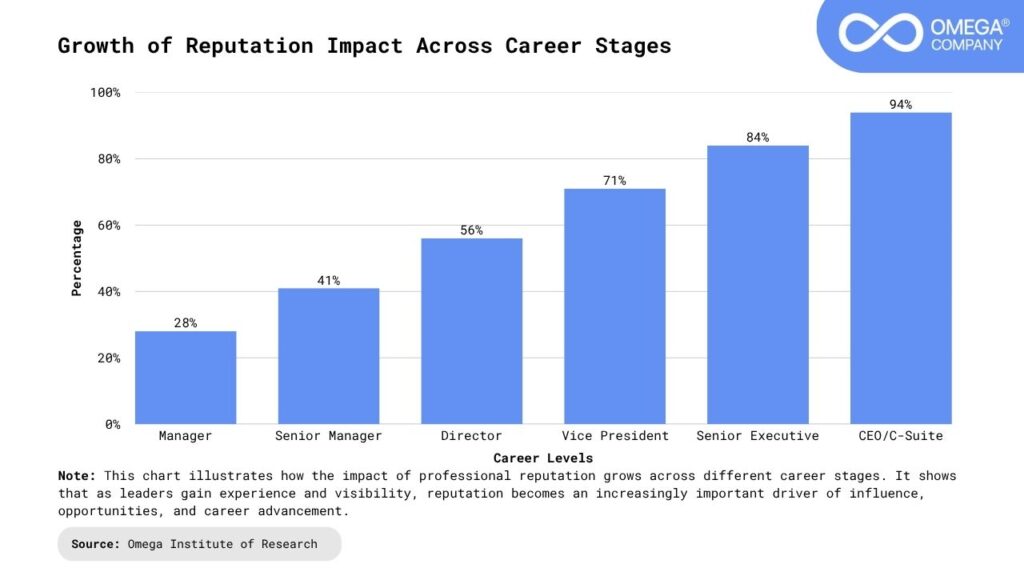
Reputation as Leverage: The Executive’s Most Undervalued Asset







In today’s interconnected business environment, executives are often evaluated based on measurable indicators such as revenue growth, profitability, market share, operational efficiency, and shareholder returns. While these metrics remain important, they do not fully explain why some leaders consistently attract opportunities, earn stakeholder trust, secure strategic partnerships, and influence industries far beyond their formal authority. The differentiating factor is often reputation, a valuable yet frequently underestimated asset that compounds over time and creates advantages unavailable through financial capital alone. Executive reputation extends beyond personal popularity or public visibility. It represents the collective perception held by employees, customers, investors, regulators, board members, industry peers, and the broader market regarding an individual’s competence, integrity, reliability, and leadership effectiveness. As businesses navigate increasing complexity, digital transparency, and heightened stakeholder expectations, executive reputation has emerged as a strategic asset capable of influencing organizational success. Leaders who understand and actively manage their reputation gain access to opportunities, influence, and resilience that competitors may struggle to replicate.
Understanding Executive Reputation as Strategic Capital
Executive reputation has evolved from a personal leadership attribute into a critical form of strategic capital that directly influences organizational success. In today’s highly connected business environment, stakeholders often evaluate companies through the actions, visibility, and credibility of their leaders. Much like financial capital supports investment and growth, reputational capital generates trust, influence, and stakeholder confidence, making it easier for organizations to secure support, attract investment, retain customers, and navigate uncertainty. This valuable asset is built over time through consistent performance, ethical conduct, transparency, accountability, effective communication, and sound decision-making. Every public statement, stakeholder interaction, and crisis response contributes to strengthening or weakening executive reputation. As a result, organizations increasingly recognize that a strong executive reputation can enhance corporate reputation, improve employee engagement, boost investor confidence, increase customer loyalty, and positively impact overall business value, making it an essential strategic resource rather than merely a personal characteristic of leadership.
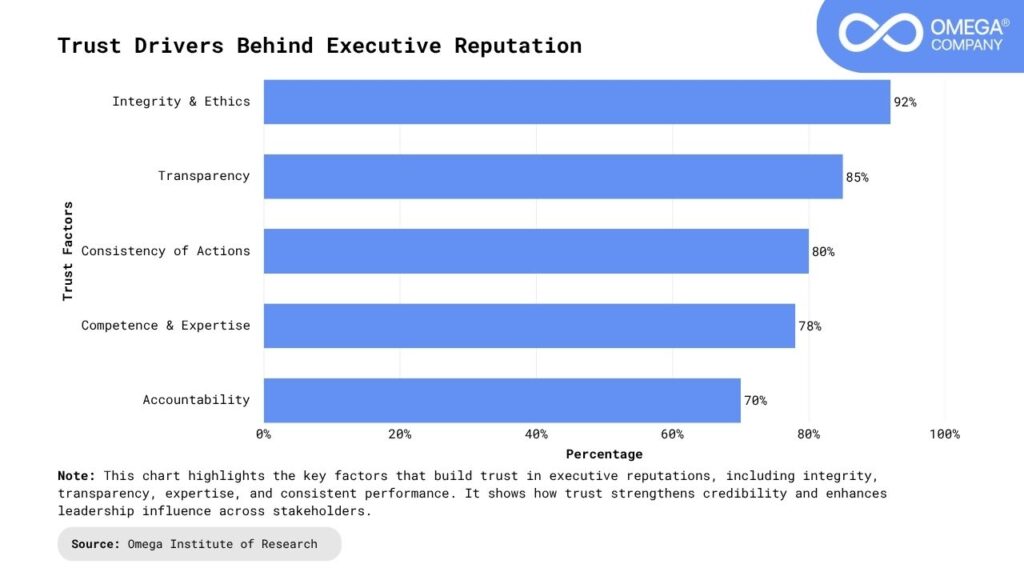
Trust: The Foundation of Reputational Leverage
Accelerates Decision-Making: Trust enables executives to secure stakeholder support more quickly, reducing the time required to gain approvals and build consensus. When leaders have established credibility, stakeholders are more willing to act on recommendations without extensive verification. This allows organizations to respond faster to market changes and emerging opportunities. As a result, trusted leadership becomes a key driver of organizational agility and execution speed.
Strengthens Stakeholder Confidence: A strong foundation of trust helps maintain confidence among investors, employees, customers, and business partners. During periods of uncertainty or organizational change, trusted leaders provide reassurance and stability. Stakeholders are more likely to remain committed when they believe leadership is capable and dependable. This confidence supports long-term relationships and strengthens overall organizational resilience.
Reduces Organizational Friction: Trust minimizes skepticism and resistance that can slow business operations and strategic initiatives. Organizations led by trusted executives spend less time addressing credibility concerns or overcoming stakeholder doubts. Reduced friction improves collaboration across teams and external partnerships. Consequently, resources can be directed toward innovation, growth, and value creation rather than conflict resolution.
Creates a Reservoir of Goodwill: Trusted leaders build goodwill over time through consistent actions and ethical behavior. This goodwill acts as a valuable reserve during crises, setbacks, or periods of poor performance. Stakeholders are often more patient and understanding when challenges arise under respected leadership. Such support helps organizations navigate difficulties while preserving confidence and loyalty.
Builds Long-Term Reputational Leverage: Trust grows through repeated demonstrations of integrity, transparency, accountability, and competence. Over time, these qualities strengthen an executive’s reputation and increase their influence with stakeholders. A strong reputation amplifies the impact of leadership decisions and strategic initiatives. This long-term reputational leverage becomes a sustainable competitive advantage for both the leader and the organization.
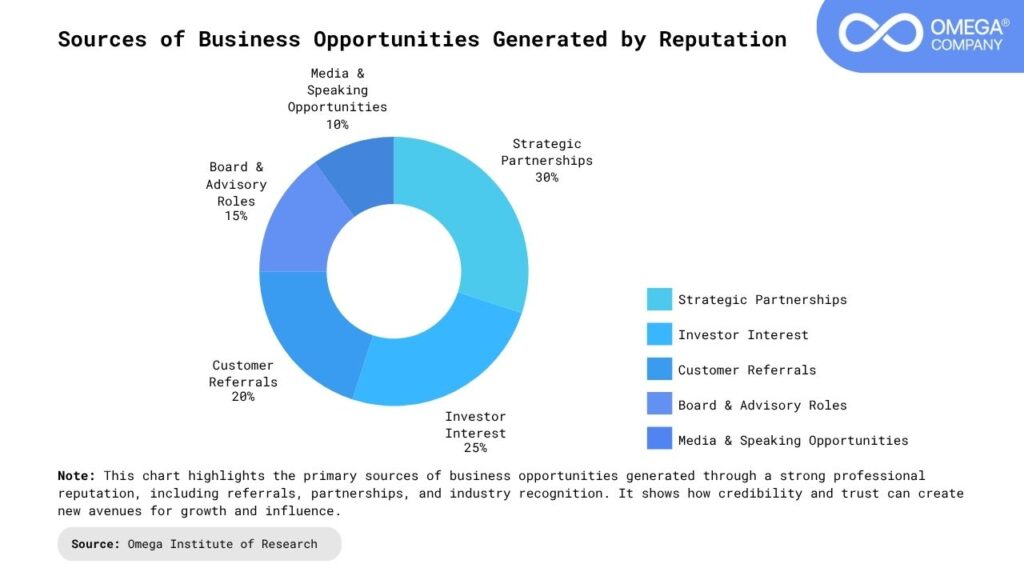
Reputation as a Driver of Business Opportunities
One of the most powerful aspects of executive reputation is its ability to create opportunities before they become publicly available. Respected leaders often gain access to exclusive networks, strategic partnerships, investment opportunities, board appointments, and industry collaborations Business opportunities frequently emerge through trust-based relationships rather than formal processes. Investors prefer backing executives with proven track records. Strategic partners seek collaborations with leaders known for reliability and competence. Customers are more willing to engage with organizations led by individuals they perceive as credible and ethical.
This phenomenon creates a compounding effect. Strong reputations attract high-quality opportunities, which generate successful outcomes, further strengthening reputation. Over time, executives develop influence that extends beyond their formal position or organizational boundaries. In many industries, reputation effectively becomes a competitive advantage. Organizations led by highly respected executives often secure partnerships, recruit talent, and access resources faster than competitors with comparable financial capabilities but weaker leadership credibility.
The Impact of Executive Reputation on Talent Attraction and Retention
Attracts High-Quality Talent: Executives with strong reputations often become magnets for top-performing professionals seeking meaningful career opportunities. Skilled candidates are drawn to leaders known for competence, integrity, and a clear vision for the future. A respected leadership team enhances an organization’s employer brand and competitive position in the talent market. As a result, companies can attract individuals who contribute significantly to innovation and growth.
Enhances Employee Engagement and Commitment: Employees are more motivated and engaged when they trust and respect their leaders. A positive executive reputation fosters confidence in organizational goals and encourages employees to contribute beyond their basic responsibilities. This sense of trust strengthens workplace morale and collaboration across teams. Higher engagement levels ultimately lead to improved productivity and organizational performance.
Improves Talent Retention During Change: Trusted leaders help employees feel secure during periods of transformation, uncertainty, or business challenges. When executives have established credibility, employees are more likely to remain committed rather than seek opportunities elsewhere. Strong leadership reputation reduces anxiety and reinforces confidence in the organization’s direction. This stability helps organizations retain valuable talent and maintain continuity.
Strengthens Employer Brand and Workforce Quality: In the digital age, leadership reputation is highly visible through social media, professional networks, and employer review platforms. Prospective employees often research executive behavior, organizational culture, and leadership effectiveness before accepting job offers. A positive executive reputation enhances the organization’s attractiveness as an employer and improves recruitment outcomes. Consequently, leadership credibility directly influences workforce quality and long-term organizational success.
Reputation and Crisis Leadership
Leadership Credibility During Uncertainty: Crises place leadership credibility under intense scrutiny, making reputation a critical asset. Stakeholders look to trusted executives for guidance, reassurance, and direction when uncertainty arises. Leaders with strong reputations are more likely to gain stakeholder confidence and support during difficult periods. Their established credibility helps organizations maintain stability and focus amid disruption.
Greater Stakeholder Trust and Patience: Executives with strong reputational capital often receive greater understanding and flexibility during challenging situations. Investors, employees, customers, and partners are more willing to remain supportive when they trust leadership intentions and capabilities. This trust reduces panic and helps prevent overreactions to temporary setbacks. As a result, organizations can respond more effectively and strategically to crises.
Stronger Recovery and Resilience: A positive reputation does not prevent crises, but it significantly improves an organization’s ability to recover. Stakeholders are more likely to forgive mistakes and support corrective actions when leaders have consistently demonstrated integrity and competence. Strong reputations create goodwill that can be leveraged during periods of adversity. This goodwill strengthens organizational resilience and accelerates recovery efforts.
Building Reputational Reserves Before They Are Needed: Just as organizations maintain financial reserves for unexpected challenges, executives should continuously invest in reputational capital. Consistent ethical behavior, transparent communication, and reliable performance build a reservoir of trust over time. These reputational reserves provide valuable support when crises occur and difficult decisions must be made. Proactive reputation building ensures leaders are better equipped to navigate future uncertainties and protect organizational value.
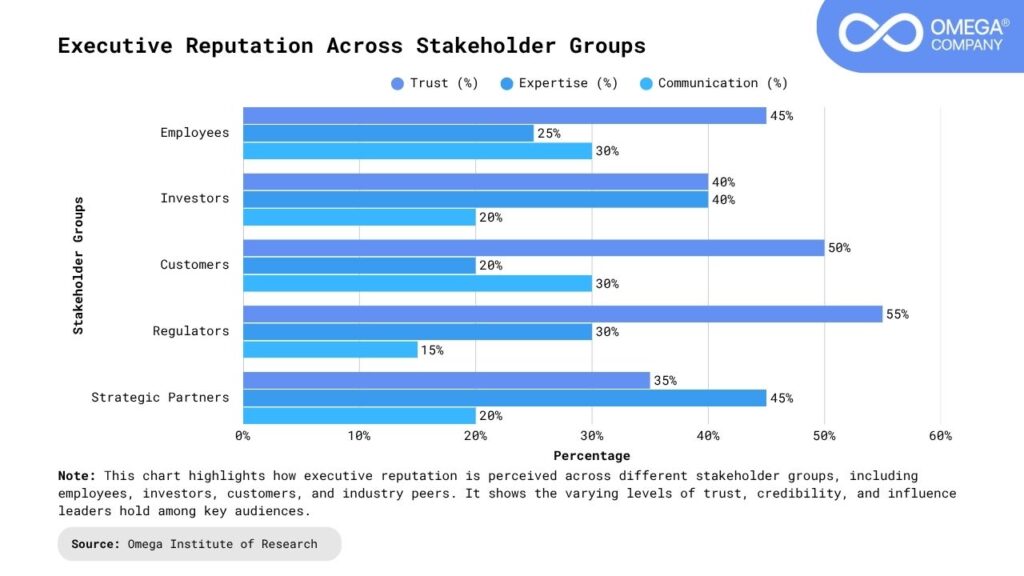
Digital Visibility and the Modern Executive Reputation
Expands Executive Visibility and Influence: Digital platforms have significantly increased the visibility of business leaders, allowing them to engage with stakeholders beyond traditional channels. Through social media, webinars, podcasts, and professional networks, executives can share insights, showcase expertise, and communicate their vision directly. This expanded reach helps leaders build stronger connections with diverse audiences. As a result, digital visibility has become a powerful tool for enhancing reputation and influence.
Enables Thought Leadership and Credibility Building: Modern stakeholders expect executives to contribute valuable perspectives on industry trends, business challenges, and emerging opportunities. By consistently sharing knowledge and engaging in meaningful discussions, leaders can establish themselves as trusted authorities in their fields. Thought leadership strengthens professional credibility and reinforces stakeholder confidence. Over time, it enhances both personal and organizational reputation.
Increases Transparency and Accountability: The digital environment creates greater transparency by making executive actions and communications highly visible. Every public statement, social media post, interview, or online interaction contributes to how stakeholders perceive a leader. Information spreads rapidly across digital channels, amplifying both positive and negative impressions. Consequently, executives must communicate carefully, authentically, and responsibly to protect their reputational capital.
Requires Consistency Between Online and Offline Behavior: A strong digital reputation depends on alignment between public messaging and real-world actions. Stakeholders quickly recognize inconsistencies between what leaders say online and how they behave in practice. Executives who maintain authenticity, integrity, and consistency across all interactions build stronger trust and credibility. This alignment helps sustain long-term reputation and strengthens leadership effectiveness in an increasingly connected world.
Building and Protecting Reputational Capital
Competence and Consistent Performance: Strong reputational capital begins with the ability to deliver results consistently. Stakeholders place greater trust in leaders who demonstrate expertise, sound judgment, and a proven track record of success. Consistent performance reinforces credibility and builds confidence in leadership capabilities. Over time, competence becomes the foundation upon which lasting reputation is established.
Integrity, Transparency, and Accountability: Ethical behavior is essential for building and protecting reputation. Leaders who act with integrity, communicate transparently, and take responsibility for their decisions earn greater respect from stakeholders. Accountability strengthens trust by demonstrating reliability and honesty, even during difficult situations. These qualities help create long-term credibility that can withstand challenges and uncertainty.
Effective Communication and Stakeholder Engagement: Reputation is strengthened when leaders communicate clearly, listen actively, and engage authentically with stakeholders. Open and honest communication helps align expectations, reduce misunderstandings, and foster stronger relationships. Stakeholders are more likely to support leaders who are approachable and responsive to concerns. Effective engagement also enhances organizational trust and collaboration.
Active Reputation Management and Consistency: Reputational capital requires ongoing attention and deliberate management. Executives must regularly evaluate stakeholder perceptions, address issues proactively, and ensure that actions align with stated values and commitments. Consistency between words and actions reinforces trust and strengthens credibility over time. By actively managing reputation, leaders can protect and enhance a strategic asset that significantly influences long-term organizational success.
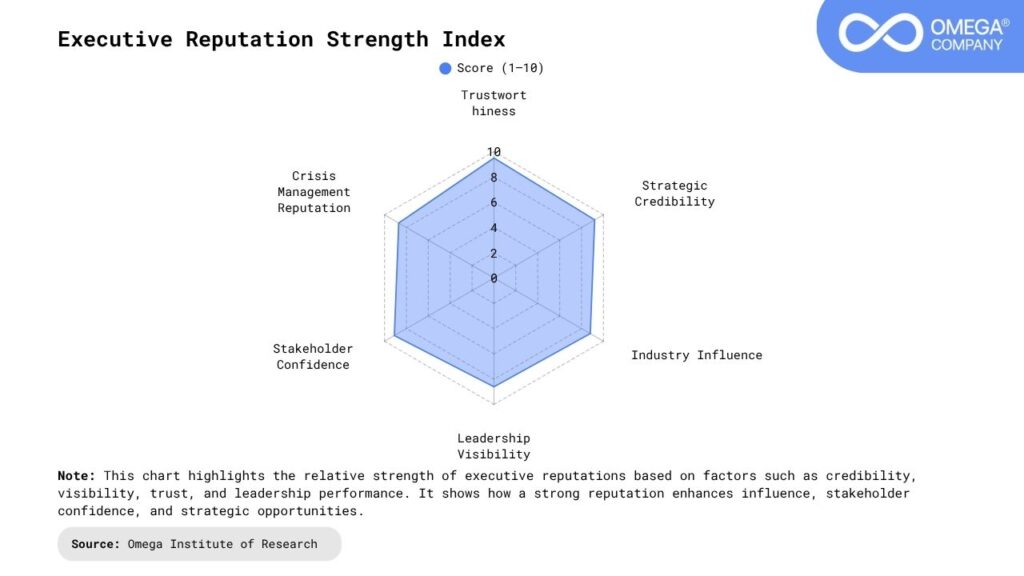
Reputation as a Multiplier of Influence
Influence traditionally derives from formal authority, organizational position, or financial resources. However, reputation creates a different form of influence, one rooted in credibility and trust. Executives with strong reputations often shape decisions, inspire action, and mobilize stakeholders even when they lack direct authority.Boards seek their advice. Industry peers value their perspectives. Employees follow their vision. Investors trust their judgment. Media organizations seek their commentary. This influence extends beyond organizational boundaries and often continues long after executives leave formal leadership positions. Reputation effectively amplifies leadership impact. Two executives may possess similar expertise and resources, yet the one with stronger credibility frequently achieves greater outcomes because stakeholders respond more positively to their leadership.This multiplier effect explains why reputation is increasingly viewed as a strategic asset rather than merely a personal characteristic. Influence generated through reputation creates opportunities unavailable through authority alone.
Conclusion
Among the many resources available to modern executives, capital, technology, talent, infrastructure, and market access reputation stands out as one of the most powerful yet often overlooked assets. Unlike many business resources that lose value over time, reputation can grow stronger through consistent leadership, ethical behavior, and proven competence. A strong reputation builds trust, attracts opportunities, influences stakeholders, helps organizations navigate crises, and supports the recruitment and retention of top talent. It acts as strategic leverage by increasing the effectiveness of every leadership action, allowing decisions to gain support more quickly and relationships to become more resilient. In an increasingly transparent and interconnected business environment, reputational capital will continue to shape executive effectiveness and organizational success. Ultimately, reputation is not merely a record of past achievements; it is a long-term strategic asset that creates future opportunities and sustained competitive advantage.
- https://mbs.edu/news/why-reputation-is-your-most-important-business-asset
- https://link.springer.com/article/10.1007/s11301-024-00470-9
- https://www.edelman.com/trust/25years
- https://ec-pr.com/how-thought-leadership-boosts-business-reputation/
- https://www.aicd.com.au/good-governance/public-trust/organisation/trust-in-business-leaders-employers-sinks-2025-edelman-trust-barometer.html
- https://blogs.vorecol.com/blog-the-role-of-leadership-in-building-and-maintaining-corporate-reputation-8952
Subscribe
Select topics and stay current with our latest insights
- Functions