

- Industries
Industries
- Functions
Functions
- Insights
Insights
- Careers
Careers
- About Us


RFID Systems







In today’s dynamic global commerce and operations landscape, the ability to accurately track assets, inventory, and personnel in real time is critically important. Traditional identification methods often lack the speed, accuracy, and automation required by modern enterprises, driving the widespread adoption of Radio-Frequency Identification (RFID) systems. RFID represents a shift from manual data collection to automated identification and data capture, enhancing visibility, streamlining workflows, and improving operations across sectors. From optimizing supply chains and managing inventories to enhancing security and customer experience, RFID empowers better decisions and greater efficiency. This article explores the core principles, components, features, applications, benefits, implementation challenges, and future trends that define RFID’s transformative role in today’s economy.
What are RFID Systems?
A Radio-Frequency Identification (RFID) system uses radio waves to wirelessly identify and monitor objects, animals, or individuals. Unlike barcode systems, which require a direct line of sight for each scan, RFID can identify many items simultaneously without physical contact. At its core, an RFID system is comprised of three main parts:
RFID Tag (Transponder): This small microchip is affixed to an item and stores a unique identifier along with other relevant information. Tags come in various types:
- Passive Tags: These tags operate without an internal power source. They are energized by the electromagnetic field produced by the RFID reader, from which they draw power to transmit their data. They are generally smaller, less costly, and have a shorter reading distance, typically ranging from a few centimeters to several meters.
- Active Tags: Equipped with their own battery, these tags can broadcast their signal over much longer distances, potentially hundreds of meters. They are larger, more expensive, and can hold more data. They are often used for tracking high-value assets or in real-time location systems.
- Semi-Passive (Battery-Assisted Passive) Tags: These tags include a battery to power the microchip’s internal circuitry but still rely on the reader’s energy to power their antenna. This design allows for longer read ranges than passive tags, while still being more energy-efficient and having a longer lifespan than fully active tags.
RFID Reader (Interrogator): This device transmits radio waves to activate and retrieve data from RFID tags. It serves as the link between the tags and the central computer system. Readers can be fixed, such as those installed at loading docks or production lines, or mobile, like handheld scanning devices. The reader decodes the radio signals sent back from the tag and converts them into a usable digital format.
Antenna: The antenna is an essential part of both the reader and the tag. The reader’s antenna broadcasts radio signals to activate the tag and receives the data signals returned from the tag. The tag’s antenna captures power from the reader’s signal and then sends the tag’s stored information back to the reader. The dimensions and design of the antenna significantly influence the system’s read range and signal direction.
Host Computer System (Software): This is the backend component that receives and processes the data from the RFID reader. It includes middleware that filters, processes, and interprets the raw RFID data, integrating it with existing enterprise resource planning (ERP), warehouse management systems (WMS), or other business intelligence applications. This software is crucial for data analysis, reporting, and supporting decisions based on the real-time information gathered by the RFID system.
The identification process begins when an RFID reader emits radio frequency waves, establishing an electromagnetic field. As an RFID tag enters this field, its antenna is either energized (for passive tags) or its internal battery activates its chip (for active tags). The tag then modulates the field or broadcasts its unique identifier and other stored data back to the reader. The reader captures this signal, converts it into digital data, and transmits it to the host computer system for further processing and analysis.
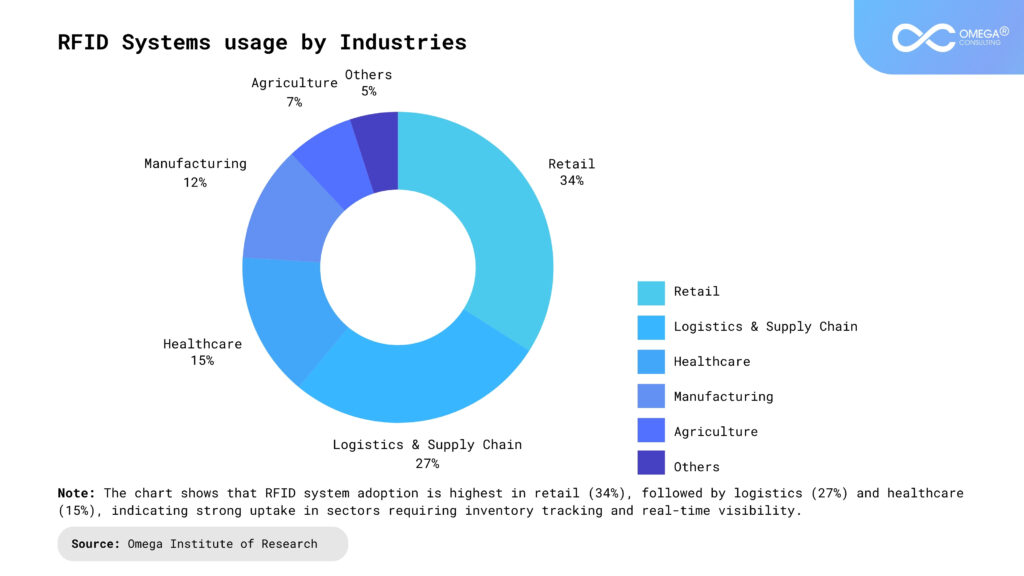
Key Features and Capabilities of RFID Systems
Modern RFID systems offer a sophisticated array of features that extend beyond simple identification, making them highly versatile and powerful tools for businesses:
Non-Line-of-Sight Reading: Unlike traditional barcodes, RFID tags do not require a direct line of sight to be read, allowing tags to be placed inside products, within packaging, or out of direct view. This capability dramatically increases reading speed and efficiency, especially in complex environments where manual scanning is difficult or impossible, such as densely packed inventory or items on a moving conveyor belt.
Simultaneous Reading (Anti-Collision): Advanced RFID readers can simultaneously read hundreds of tags within their detection field in just a few seconds, thanks to sophisticated anti-collision algorithms. This feature significantly speeds up inventory counts, simplifies goods receiving, and accelerates dispatch processes, effectively reducing bottlenecks and human errors while providing real-time inventory visibility.
Unique Item Identification (EPC): Each RFID tag is capable of storing a unique identifier, commonly an Electronic Product Code (EPC), which allows for the tracking of individual items rather than just batches or product types. This granular visibility is essential for applications such as serialized inventory management, tracking high-value assets, and precisely locating specific items within a large consignment.
Enhanced Data Storage Capacity: RFID tags, particularly active and semi-passive variants, can store considerably more data than conventional barcodes. This capacity enables the embedding of detailed information directly onto the tag, such as manufacturing dates, batch numbers, destination details, maintenance histories, or even specific customer data, facilitating more intelligent item-level management.
Read/Write Capabilities: Many RFID systems allow data on the tag to be updated or rewritten as an item progresses through its lifecycle. This dynamic capability enables real-time updates for status changes, location shifts, or the addition of new inspection records directly to the tag, supporting flexible workflow management and providing immediate, on-tag data for operational decision-making.
Seamless Integration: Modern RFID systems are engineered for easy integration with existing enterprise systems, including ERP, WMS, CRM, and manufacturing execution systems (MES), often facilitated through middleware and APIs. This connectivity ensures that RFID data can populate and enrich critical business intelligence platforms, providing a unified view of operations and enabling advanced analytics and automation across the enterprise.
Business Use Cases and Applications
RFID systems are transforming operations across a multitude of industries, providing specific solutions for various business challenges:
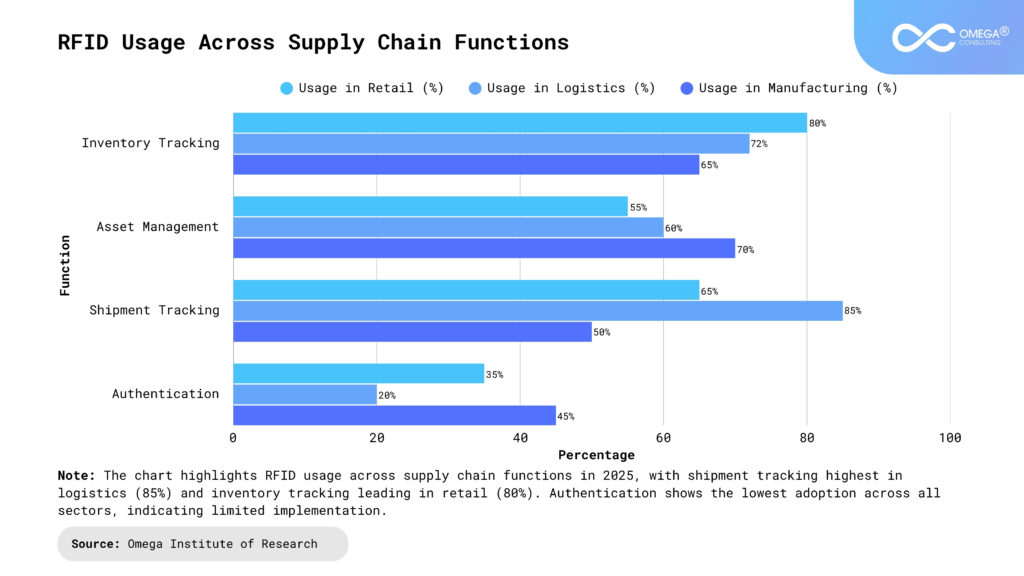
Supply Chain Management and Logistics:
- Inventory Accuracy: Retailers and manufacturers utilize RFID to achieve nearly perfect inventory accuracy through automated cycle counts, significantly reducing manual errors. This precision leads to optimal stock levels, minimized overstocking or stockouts, and improved order fulfillment, directly boosting sales and customer satisfaction.
- Warehouse Operations: RFID-enabled smart shelving systems automatically monitor item movements, reducing manual scanning and enhancing efficiency in put-away and picking processes. Forklifts equipped with RFID readers can automatically identify pallets and update their locations in the warehouse management system, streamlining material flow.
- Asset Tracking: High-value assets like tools, specialized equipment, or IT infrastructure are tagged with RFID to continuously monitor their location, usage, and maintenance history. This proactive tracking helps prevent loss, deter theft, and ensures optimal utilization, thereby reducing the need for costly replacements.
- Cold Chain Monitoring: In the pharmaceutical and food industries, RFID tags integrated with temperature sensors monitor sensitive goods during transit, ensuring they remain within required temperature parameters. Alerts are automatically generated if conditions deviate, preventing spoilage and ensuring compliance with strict regulatory standards.
Retail and Apparel:
- Loss Prevention: RFID tags on clothing and other consumer goods serve as electronic article surveillance (EAS) tools, triggering alarms if unpaid items are taken from the store. This provides a more accurate and less intrusive method compared to traditional security tags, effectively reducing inventory shrinkage.
- Enhanced Customer Experience: Smart fitting rooms equipped with RFID readers can identify garments brought in by customers and suggest complementary items, alternative sizes, or different colors via digital displays. This personalized shopping experience significantly enhances engagement and can increase sales conversion rates.
- Omnichannel Fulfillment: RFID provides accurate, real-time inventory visibility across all retail channels, including physical stores and distribution centers, facilitating seamless “buy online, pick up in-store” (BOPIS) or “ship from store” models. Retailers can fulfill orders from the most convenient stock location, improving efficiency and customer satisfaction.
Healthcare:
- Patient Tracking & Safety: RFID wristbands track patients’ locations within hospitals, ensuring they are at the correct place for procedures or medication delivery. This enhances patient safety, minimizes wait times, and helps prevent medical errors in complex hospital environments.
- Surgical Tool & Equipment Management: Hospitals tag surgical instruments, carts, and specialized medical equipment with RFID for precise tracking, ensuring all tools are accounted for before, during, and after operations. This minimizes the risk of retained surgical items and optimizes sterilization and kit assembly processes.
- Medication Management: RFID-tagged medications enable automated inventory management in hospital pharmacies and real-time tracking from dispensing to patient administration. This helps prevent medication errors, ensures adherence to expiration dates, and verifies drug authenticity, enhancing patient safety.
- Blood Bank Management: RFID labels on blood bags automate tracking and inventory within blood banks, ensuring proper storage conditions, managing expiration dates, and facilitating rapid retrieval of specific blood types during emergencies, significantly improving safety and responsiveness.
Security and Access Control:
- Personnel Tracking: RFID badges or tags monitor employee movements within secure areas, providing real-time location data and enforcing access permissions. This enhances security protocols, assists in emergency evacuations, and provides detailed audit trails for compliance purposes.
- Vehicle Access Control: RFID tags affixed to vehicles, such as windshield stickers, enable automated access to parking garages, restricted zones, or toll booths. This streamlines entry and exit points without manual intervention, significantly improving traffic flow and enhancing security measures.
- Document and Asset Security: Sensitive documents or high-value assets can be tagged with RFID to continuously monitor their location and detect any unauthorized removal from secure areas. This provides an additional layer of protection against theft or unauthorized access to critical information.
Benefits of Adopting RFID Systems
Implementing RFID technology brings a wide array of tangible benefits that significantly boost operational efficiency, increase profitability, and improve customer satisfaction:
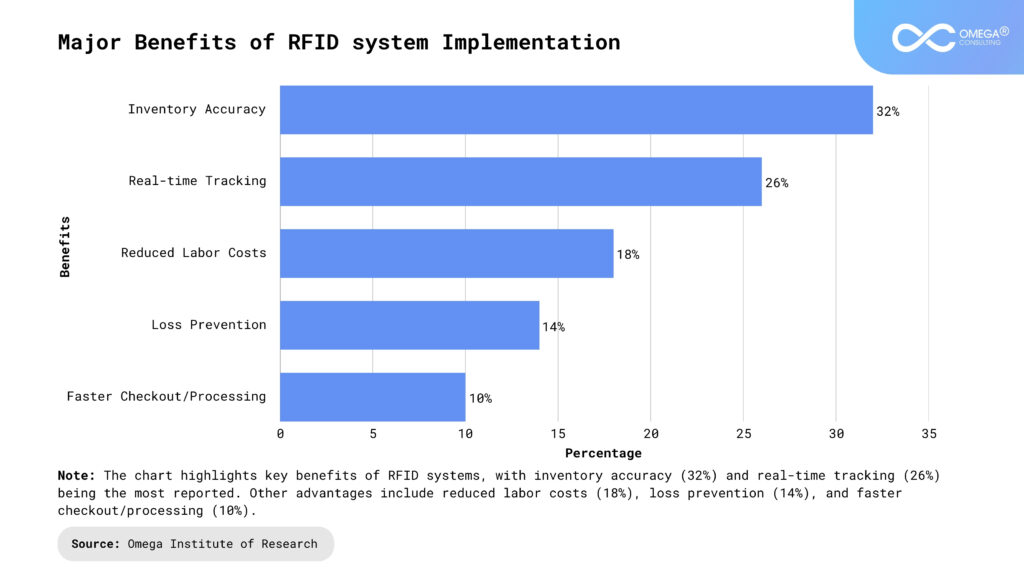
Improved Inventory Accuracy and Visibility: RFID enables real-time, highly accurate inventory counts, dramatically reducing discrepancies between physical stock and system records. This comprehensive visibility prevents stockouts and overstocking, leading to optimized inventory levels, lower carrying costs, and improved order fulfillment rates.
Increased Operational Efficiency: The automation provided by RFID reduces the need for manual tasks such as scanning, searching for items, and data entry, allowing personnel to focus on more value-added activities. This results in faster throughput in warehouses, quicker checkouts in retail, and streamlined processes across various operations, significantly boosting productivity.
Enhanced Data Accuracy and Reliability: RFID systems minimize human error often associated with manual data collection and input. The automated capture of unique, item-level data ensures a higher degree of accuracy and reliability in supply chain information, production records, and asset registries, forming a trustworthy foundation for strategic decision-making.
Reduced Costs: By improving inventory accuracy, automating processes to reduce labor costs, minimizing shrinkage due to theft and loss, and optimizing asset utilization, RFID contributes to substantial cost savings. The ability to quickly locate items and streamline workflows also translates into reduced operational expenses and improved financial performance.
Enhanced Security and Loss Prevention: RFID serves as a powerful tool for loss prevention by deterring theft and providing real-time alerts for unauthorized movement of assets or goods. It also strengthens security in access control applications, ensuring that only authorized personnel or vehicles can enter restricted areas, thus safeguarding valuable assets and sensitive information.
Real-time Insights for Decision Making: The continuous stream of data from RFID tags provides real-time insights into operational performance, inventory movements, asset utilization, and process bottlenecks. This immediate access to actionable data empowers businesses to make faster, more informed decisions, react quickly to changes, and continuously optimize their operations.
Challenges in Implementing RFID Systems
While the benefits of RFID are compelling, organizations must carefully consider and address several significant challenges during its implementation:
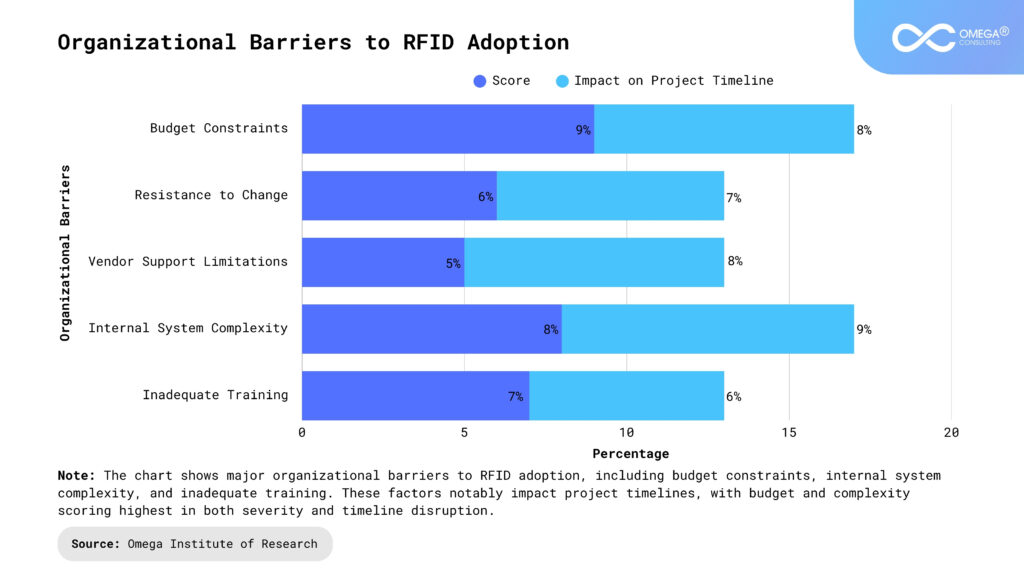
High Initial Investment: The upfront costs for establishing an RFID infrastructure, including readers, a vast quantity of tags, specialized software, and integration services, can be substantial, particularly for large-scale deployments across multiple locations or extensive inventories. This significant capital outlay often necessitates a clear and justifiable return on investment (ROI) analysis.
Technical Complexity and Integration: Implementing an RFID system requires specialized expertise in radio frequency technology, meticulous antenna placement, and complex software integration with existing enterprise systems like ERP or WMS. Effectively integrating raw RFID data into actionable business intelligence often demands sophisticated middleware and highly skilled IT personnel to ensure seamless data flow and optimal functionality.
Data Volume and Management: Large-scale RFID deployments generate an enormous volume of real-time data. Efficiently managing, storing, filtering, and processing this data requires robust IT infrastructure, scalable database solutions, and sophisticated analytics tools to extract actionable insights and prevent data overload, which can represent a considerable technical burden for an organization.
Global Standards and Interoperability: While global standards such as EPCglobal exist to promote consistency, ensuring seamless interoperability between different RFID hardware vendors and across various industries or geographical regions can still be a challenge. Adherence to established standards and comprehensive compatibility testing are crucial to avoid vendor lock-in and ensure smooth data exchange.
Privacy Concerns: In applications that involve tracking individuals, such as personnel tracking in offices or patient tracking in hospitals, significant privacy concerns related to data collection and continuous monitoring can emerge. Organizations must implement stringent data protection measures, ensure transparency about data usage, and strictly comply with relevant privacy regulations to build trust and mitigate potential legal risks.
Cultural Adoption and Training: The transition to RFID-enabled processes often necessitates significant changes in existing workflows and employee roles, which can encounter resistance from staff accustomed to traditional methods. Comprehensive training programs, clear communication regarding the benefits of the new system, and actively involving employees in the transition are critical for successful cultural adoption and to maximize the system’s operational potential.
Conclusion
RFID systems have evolved from niche tracking tools into essential technologies that transform how businesses manage assets, inventory, and operations. With automated, real-time, and non-line-of-sight data capture, RFID delivers unmatched accuracy, efficiency, and visibility across industries from streamlining supply chains and enhancing retail to improving healthcare and manufacturing. Despite challenges like upfront costs and technical complexity, the benefits make RFID a strategic investment. As it continues to integrate with IoT, AI, 5G, and sustainable practices, RFID will become even more intelligent and pervasive. Embracing RFID is no longer just an advantage—it’s a necessity for achieving operational excellence and long-term competitiveness in the digital economy.
- https://www.peaktech.com/blog/rfid-examples-real-life-use-cases/#:~:text=Within%20the%20modern%20supply%20chain,workflows%20to%20achieve%20peak%20efficiency
- https://www.dhs.gov/archive/radio-frequency-identification-rfid-what-it
- https://blog.ubisolutions.net/en/everything-you-need-to-know-about-rfid-how-it-works-tag-types-and-uses
- https://www.idplate.com/blog/how-do-rfid-tags-work/
- https://www.autostoresystem.com/insights/rfid-tags-for-inventory#:~:text=How%20is%20RFID%20used%20in,updates%20and%20reducing%20manual%20errors
- https://www.peaktech.com/blog/high-value-asset-tracking-rfid/
Subscribe
Select topics and stay current with our latest insights
- Functions