

- Industries
Industries
- Functions
Functions
- Insights
Insights
- Careers
Careers
- About Us


Robot Companions for Mental Health: Global Innovations







As mental health challenges continue to rise globally, technology is stepping into a new, more empathetic role. Robot companions once associated with manufacturing lines and sci-fi fantasy are now emerging as powerful tools that support emotional well-being, reduce loneliness, and improve access to care. From social robots that help children manage anxiety to AI-powered companions for the elderly, these innovations are reshaping how we understand and deliver mental-health support worldwide. By offering consistent emotional engagement, they help bridge gaps in overstretched healthcare systems. Their ability to adapt to individual user needs makes them uniquely capable of long-term support. As research accelerates and global adoption grows, robot companions are becoming a vital pillar in the future of inclusive, accessible mental-health care.
Why Robot Companions Are Becoming Essential in Mental Health Care
Mental health disorders affect nearly a billion people worldwide, yet access to timely care remains limited due to shortages of therapists, stigma, and rising costs. Robot companions address several of these gaps by offering:
24/7 Emotional Support: Robot companions offer continuous emotional support at any hour, creating a stable presence for individuals who struggle with anxiety, depression, or chronic loneliness. They can respond instantly to emotional cues, helping users feel heard and grounded during difficult moments. By maintaining consistent availability, these robots reduce the emotional gaps between therapy sessions and offer comfort when support is most needed. Their always-on nature ensures that no user feels alone, especially during late-night or crisis moments when human help may be unavailable.
Non-Judgmental Conversations That Reduce Fear and Stigma: These robots allow users to share feelings openly without fear of shame, judgment, or misunderstanding. Their neutral presence encourages individuals, especially teens, seniors, and those hesitant about therapy to express emotions more freely. Over time, this builds trust and confidence, helping users gradually open up about deeper issues. By creating a safe communication space, robot companions gently reduce stigma and make mental-health conversations more accessible for all.
Remote Companionship for Isolated Individuals: For seniors living alone, patients in long-term care, or individuals with mobility limitations, robot companions provide steady social interaction that reduces feelings of isolation. They engage users in meaningful dialogue, daily check-ins, and cognitive-stimulating activities that promote mental well-being. This remote companionship becomes particularly valuable in rural or underserved regions where human support is scarce. Ultimately, these robots help maintain emotional connection and prevent social isolation from escalating into more severe mental-health conditions
Data-Driven Insights for Caregivers and Clinicians: Robot companions can track mood patterns, behavioral shifts, and communication trends to generate actionable insights for healthcare professionals. This real-time data helps clinicians personalize treatment plans, detect early warning signs, and intervene before issues worsen. Caregivers also benefit from automated progress updates, reducing the burden of constant monitoring. By acting as an intelligent bridge between patients and providers, these robots strengthen the overall continuum of care.
Engaging Therapeutic Activities Tailored to Age, Mood, and Behavior: Robot companions offer interactive therapeutic activities from guided meditation and breathing exercises to playful storytelling and memory games based on the user’s emotional state and preferences. These activities help regulate mood, build coping skills, and create positive routine patterns. For children, robots can gamify therapy to make emotional management more engaging and less intimidating. For seniors, they provide cognitive exercises that support memory, attention, and emotional balance. This personalized engagement makes therapy feel more natural, enjoyable, and effective.
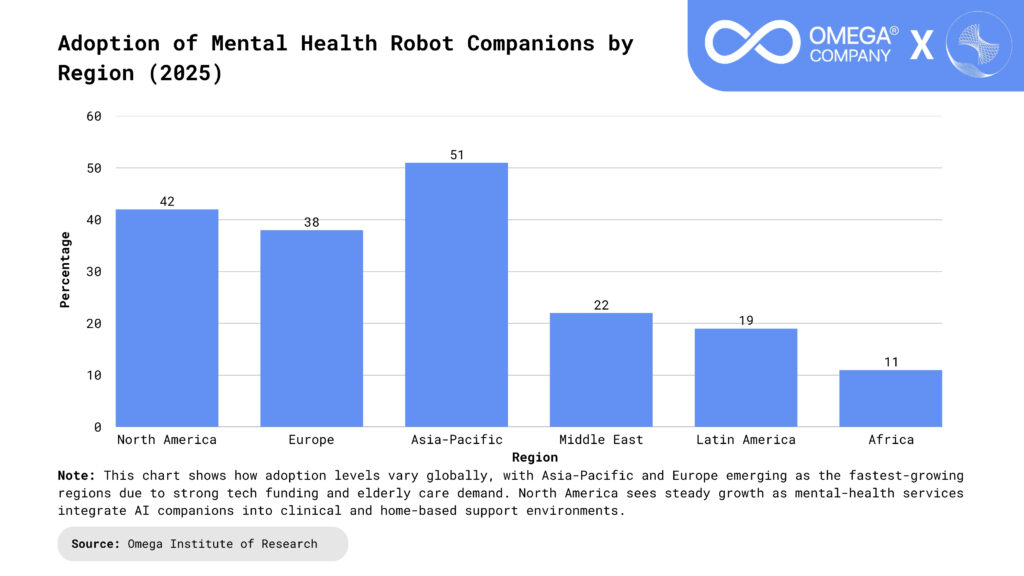
Global Innovations Leading the Future of Robotic Mental-Health Support
Countries around the world are innovating rapidly in this space. Here are the most transformative developments:
Japan: Socially Assistive Robots for Loneliness and Elder Care: Japan continues to lead in socially assistive robotics, using emotionally responsive technologies to support its rapidly aging population. Innovations like PARO, Pepper, and the soothing Qoobo cushion help reduce stress, uplift mood, and encourage emotional expression among seniors. These robots offer comforting interactions, cognitive stimulation, and tactile reassurance that improve daily well-being. As studies show measurable drops in anxiety and loneliness, Japan’s models are becoming global benchmarks for elder-care innovation.
United States: AI-Driven Companions for Therapy Assistance: The United States is advancing emotionally intelligent robots and virtual agents powered by behavioral AI and natural-language understanding. Solutions such as Woebot, Moxie, and Ellie provide therapy-aligned support, helping users build coping skills, manage emotions, and detect early signs of psychological distress. These companions are increasingly integrated into clinical pathways to extend therapist capacity and improve patient engagement. As AI grows more adaptive and empathetic, the U.S. continues to shape the future of AI-supported therapy.
Europe: Emotion-Aware Robots for Autism and Anxiety: Europe focuses strongly on emotion-aware, child-friendly robots designed to support autism therapies, reduce anxiety, and encourage social development. Robots like NAO, EMYS, and collaborative projects such as Robear offer emotionally intelligent interactions rooted in safety, transparency, and ethical design. These tools help children improve communication, identify feelings, and build confidence in a structured, engaging environment. With its emphasis on trust and human-robot collaboration, Europe remains a leader in supportive robotic care.
South Korea: Companionship Robots for Youth and Students: South Korea is deploying emotionally supportive robots in schools and community spaces to help children navigate academic stress and social pressures. Companions such as Bibo and AI learning robots monitor mood patterns and offer calming exercises, mindfulness prompts, and friendly conversation. These robots promote early emotional resilience and encourage healthy communication among students. By integrating them into education systems, South Korea is shaping a new model for youth-focused mental-health support.
Middle East & Africa: Robots for Access and Scalability: The Middle East and Africa are leveraging robot companions to address mental-health professional shortages and expand equitable access to care. Innovations like the UAE’s virtual wellness robots and South Africa’s mobile AI kiosks deliver culturally sensitive support, anonymous screenings, and digital counseling. These solutions increase reach in underserved communities while maintaining affordability and privacy. As adoption grows, the region is setting new standards for scalable, tech-enabled mental-health care.
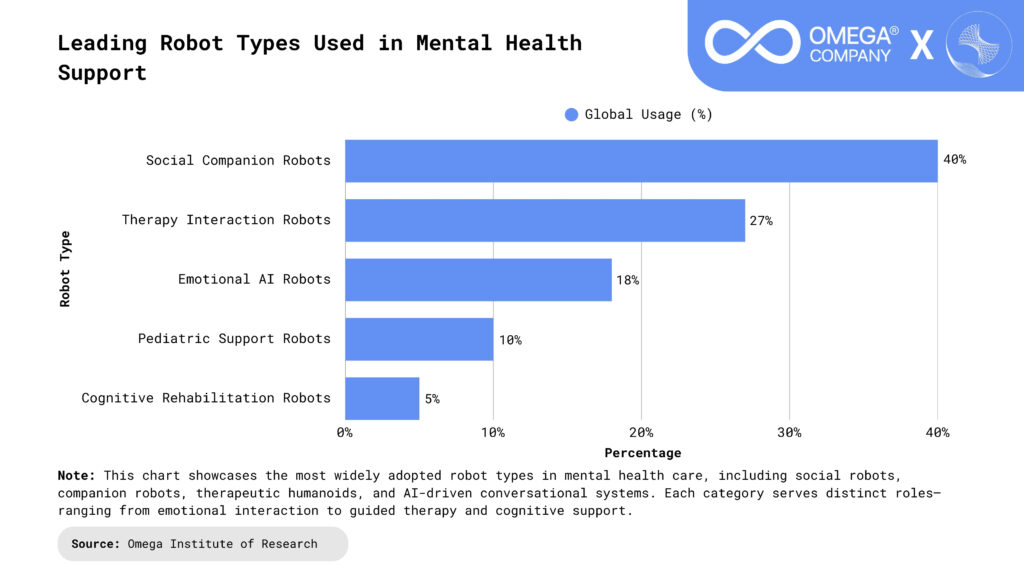
How Robot Companions Improve Mental Health
Robot companions contribute to emotional well-being in multiple scientifically validated ways:
Reducing Loneliness and Social Isolation: Robot companions help individuals feel seen, heard, and emotionally supported, especially those who live alone or struggle with limited social interaction. Their consistent presence offers predictable daily engagement that reduces feelings of abandonment and disconnect. For seniors, they serve as steady partners that spark conversation, remind them of routines, and bring emotional warmth into the home. This reliable companionship has been shown to significantly lower loneliness and uplift overall mood.
Promoting Emotional Regulation: Many robot companions are designed with therapeutic frameworks, offering guided breathing, grounding techniques, and personalized conversational prompts to stabilize emotions. These features help users manage stress, process difficult feelings, and regain emotional balance throughout the day. Their calm, adaptive responses encourage healthier coping mechanisms and reduce the intensity of emotional overwhelm. Over time, these interactions strengthen resilience and promote long-term emotional well-being.
Supporting Children with Developmental Disorders: Robots create a safe, predictable environment where children with autism or developmental challenges can practice communication and social skills without anxiety. Their friendly expressions, structured routines, and patient interactions make learning feel comfortable and engaging. By responding consistently to gestures, speech, and emotions, robots help children build confidence and reduce frustration. These supportive interactions often complement therapy sessions and accelerate developmental progress.
Offering Stress and Anxiety Relief: Social robots use calming voices, soothing movements, or tactile features like soft textures and gentle vibrations to reduce physical tension and emotional stress. They provide mindfulness reminders, relaxation exercises, and comforting responses during moments of anxiety. These sensory-rich interactions help users slow down, breathe deeply, and feel grounded in the present moment. Over time, robot companions become reliable tools for managing daily stress and preventing emotional escalation.
Augmenting Professional Mental-Health Care: Robot companions enhance clinical care by tracking mood patterns, monitoring behavior shifts, and conducting basic assessments that support early intervention. This data gives therapists deeper insight into the user’s emotional journey between sessions, helping them tailor treatment more effectively. Robots also remind users of coping strategies, therapy exercises, or medication schedules to improve continuity of care. By filling gaps between appointments, they act as valuable extensions of professional mental-health support.
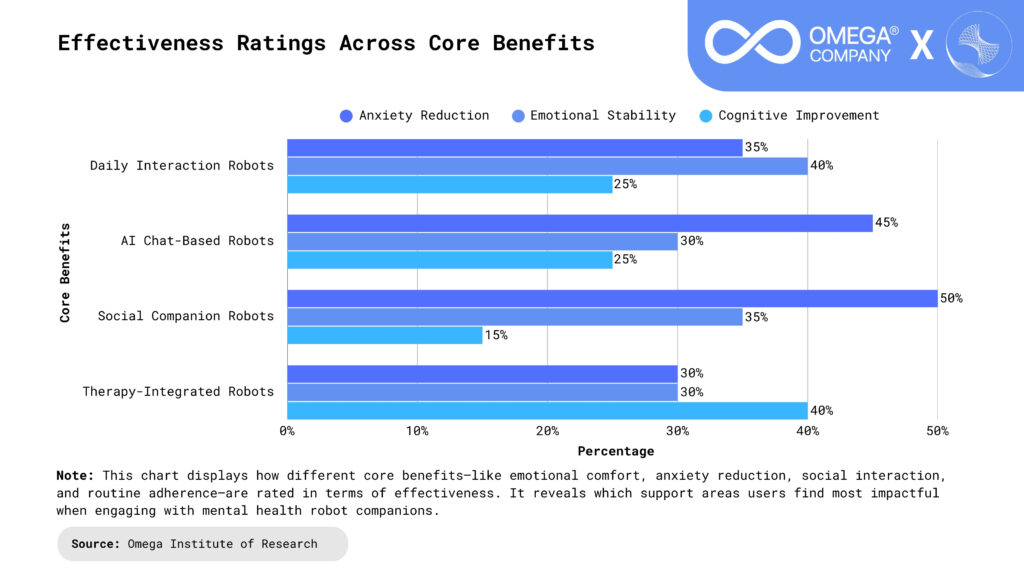
Ethical and Social Considerations
As robot companions become more common, several questions arise:
Privacy: The rise of robot companions raises concerns about how sensitive emotional data is gathered, analyzed, and protected in everyday environments. Users need clarity on what information is recorded and whether it is shared with third parties or strictly used for personal support. Strong encryption, transparent policies, and user consent become essential to safeguarding mental-health data. Without robust privacy measures, trust in these systems could weaken, limiting their global adoption.
Dependency: While robots offer comfort and stability, there is a valid concern that users may turn to them as a substitute for human relationships. Overreliance could reduce real-world social interactions and impact emotional resilience over time. Designers must ensure robots encourage healthy social behaviors, not replace them, by promoting activities and connections beyond the device. Balancing support with boundaries is key to preventing emotional overdependence.
Bias: Emotional recognition algorithms may struggle to understand diverse expressions, tones, or cultural communication styles, leading to misinterpretation. This raises questions about whose emotions are being accurately represented and whose are being overlooked. To avoid reinforcing biases, developers must train models on broad, inclusive datasets that reflect global diversity. Addressing algorithmic bias ensures robot companions offer fair, empathetic support across cultures and communities.
Equity: Advanced mental-health robots risk becoming tools only available to wealthy or urban populations, widening existing care gaps. Ensuring equitable access means designing affordable, adaptable solutions that work in varied socioeconomic and geographic conditions. Public policy, community partnerships, and cost-effective models will play key roles in scaling access. True impact will only be achieved when underserved populations benefit as much as those in well-resourced regions.
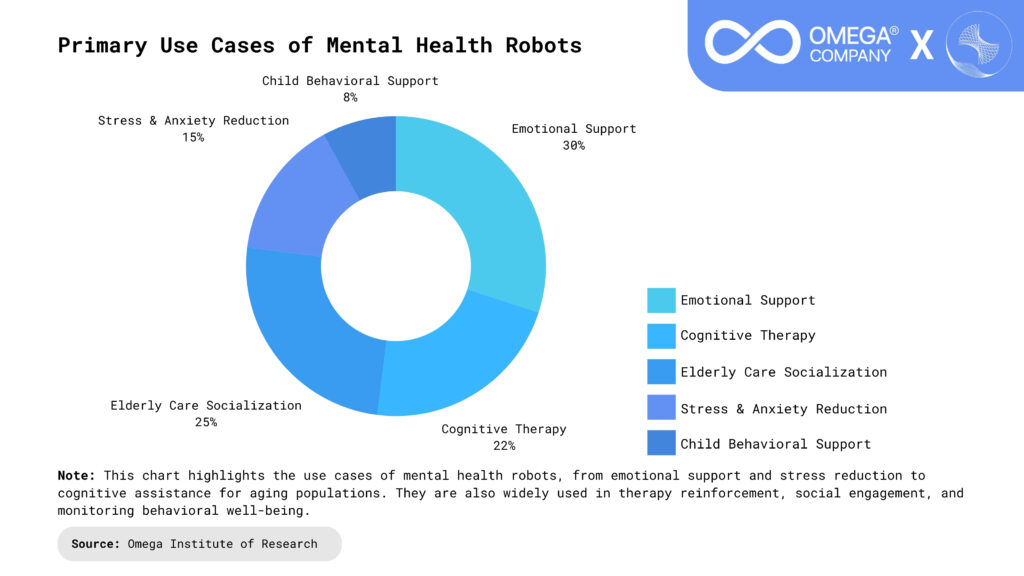
The Future of Robot Companions in Mental Health
The future of robot companions in mental health is set to accelerate rapidly, with the next decade introducing advanced systems capable of understanding tone, facial expressions, and emotional cues with near-human accuracy. These companions will sync with wearables to detect distress in real time, delivering hyper-personalized interventions that adapt to mood, behavior, and physiological signals. They will integrate seamlessly with telehealth platforms, making mental-health support more accessible and responsive than ever before, while also operating across multilingual and multicultural environments to ensure inclusivity. Although robot companions will not replace human therapists, they will become essential partners providing comfort, connection, and continuous support in a world where emotional well-being is a growing priority.
Conclusion
Robot companions for mental health represent one of the most compassionate intersections of technology and humanity. With global innovations spanning AI therapy tools, social robots, and emotion-sensitive companions, they’re helping people feel less alone and more emotionally supported. As research, ethics, and robotics advance, these companions will play a vital role in making mental-health care more accessible, personalized, and effective for individuals worldwide. Their ability to provide consistent emotional presence bridges gaps where human support is limited or unavailable. As adoption grows across regions and age groups, these companions will become trusted partners in daily well-being. Ultimately, they signal a future where technology doesn’t replace human connection but strengthens and expands it for all.
- https://pmc.ncbi.nlm.nih.gov/articles/PMC9066335/
- https://link.springer.com/article/10.1007/s12369-024-01160-y
- https://www.nature.com/articles/s41598-023-33837-1
- https://forum.arctic-sea-ice.net/index.php?topic=1392.4000
- https://www.mdpi.com/1424-8220/24/4/1321
Subscribe
Select topics and stay current with our latest insights
- Functions