

- Industries
Industries
- Functions
Functions
- Insights
Insights
- Careers
Careers
- About Us

Tech in Cultural Preservation: Digitally Safeguarding Global Heritage







Culture and heritage form the foundation of human identity, offering a window into our collective history, traditions, and values. However, these treasures face constant threats—from natural disasters and climate change to war, urbanization, and time itself. As the physical world changes rapidly, technology has emerged as a powerful ally in preserving cultural heritage. By digitizing artifacts, reconstructing historical sites, and archiving traditions, technology ensures that the world’s cultural legacy is not only safeguarded but also made accessible to future generations. Beyond preservation, digital tools also democratize access to heritage by allowing people across the globe to experience cultural wonders virtually. They foster global awareness, promote cultural education, and inspire a deeper appreciation of human diversity. In this way, technology bridges the gap between the past and the future, making heritage both timeless and borderless.
The Importance of Cultural Preservation
Cultural heritage is more than just monuments and artifacts; it includes intangible elements like music, dance, language, and traditions that define the identity of communities. Preserving them is vital because:
Historical continuity: Heritage connects us to our roots, helping societies maintain continuity with their past. It provides lessons from history, guiding future generations to avoid past mistakes. It also creates a sense of belonging by linking people with the struggles and achievements of their ancestors. Moreover, it strengthens intergenerational bonds as traditions and stories are passed down through families and communities.
Educational value: Artifacts, sites, and traditions are essential resources for teaching history and cultural awareness. They make learning more engaging and relatable, turning abstract lessons into lived experiences. Museums, archives, and digital platforms provide interactive ways for students and the public to explore culture. In addition, preserving cultural heritage ensures that diverse perspectives are represented in education, fostering empathy and cross-cultural understanding.
Cultural identity: Protecting heritage fosters pride and unity among communities. It strengthens social cohesion by reminding people of their shared values and origins. Celebrating cultural practices also helps minority groups assert their presence and resist assimilation. In a rapidly globalizing world, safeguarding identity allows communities to maintain uniqueness while still engaging with others.
Global diversity: Every culture contributes to the world’s richness, and preservation prevents homogenization. Without efforts to protect cultural traditions, globalization could erode unique practices and expressions. Cultural diversity promotes creativity and innovation by exposing societies to different ways of thinking. Furthermore, it encourages respect and tolerance, reminding humanity that variety is a strength rather than a division.
How Technology is Preserving Cultural Heritage
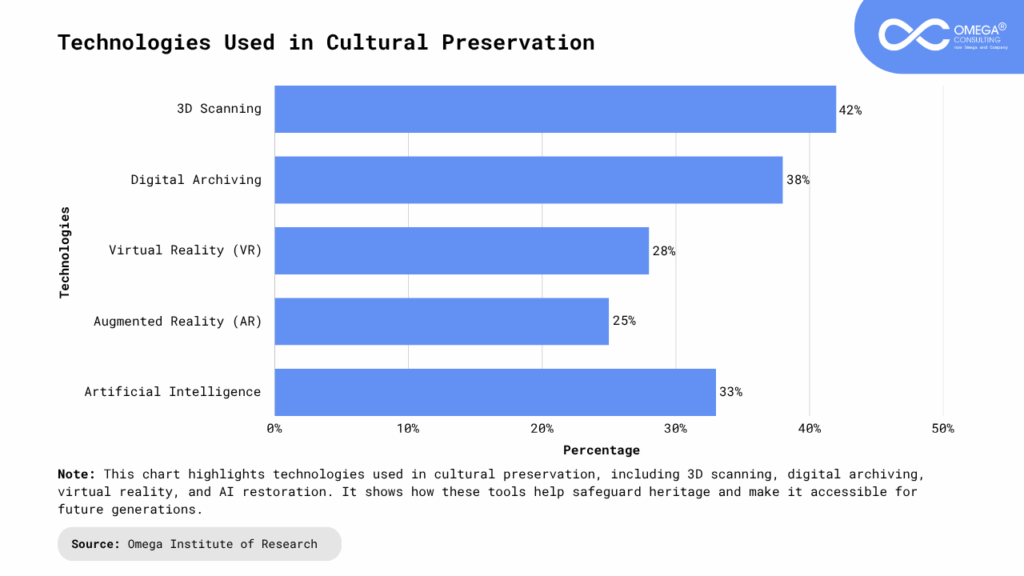
Digital Archiving and Databases: Museums, libraries, and governments are creating vast digital archives to store images, videos, and 3D scans of cultural artifacts. Platforms like Europeana and Google Arts & Culture have made millions of items accessible online, ensuring people worldwide can engage with heritage that might otherwise remain hidden. These digital archives also protect against physical loss caused by disasters or conflicts. They allow researchers to collaborate globally without geographical limitations. Additionally, digital platforms democratize access, giving students, educators, and enthusiasts free entry into cultural treasures once limited to select institutions.
3D Scanning and Printing: 3D laser scanning and photogrammetry are revolutionizing preservation. By capturing minute details, they allow experts to create digital replicas of artifacts and monuments. These can later be 3D printed for study, exhibition, or even reconstruction if originals are damaged or destroyed. This technology also aids in educating people through tactile learning, allowing replicas to be handled without risking fragile originals. It preserves accuracy by capturing even microscopic features. Furthermore, replicas can travel globally for exhibitions, spreading cultural appreciation without endangering the original pieces.
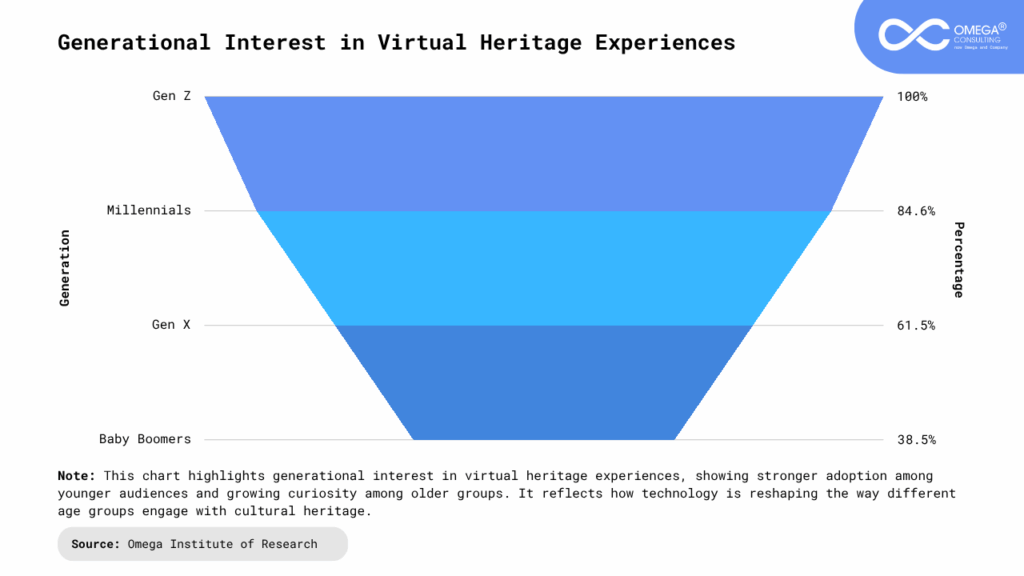
Virtual Reality (VR) and Augmented Reality (AR): VR and AR bring heritage to life in immersive ways. Ancient temples, lost cities, and historical artifacts can be experienced in their full glory without physical presence. Projects like the VR reconstruction of Pompeii or AR apps that overlay ancient structures onto modern landscapes make history interactive and engaging. These tools also provide inclusive access for those unable to travel, such as students in remote areas. They can enhance tourism by offering enriched cultural experiences before, during, and after visits. Moreover, VR and AR preserve intangible heritage by recreating cultural rituals, performances, and practices for future generations.
Artificial Intelligence (AI) and Machine Learning: AI helps in analyzing and restoring cultural works. For instance, machine learning models can restore faded manuscripts, reconstruct missing parts of artworks, or even translate ancient languages. AI-driven pattern recognition also helps historians identify cultural influences across regions. It accelerates research by processing vast datasets faster than human experts. AI also reduces human error in cataloging and documentation, ensuring long-term accuracy. Beyond restoration, it creates predictive models to forecast risks like environmental damage to heritage sites.
Blockchain for Provenance and Authenticity: Blockchain ensures the authenticity and ownership history of cultural artifacts. This technology combats illegal trade by creating tamper-proof records of provenance, helping museums and collectors verify the legitimacy of items. It increases transparency in the art and heritage market, deterring theft and smuggling. Blockchain also empowers indigenous and local communities to assert rightful ownership of their cultural heritage. Moreover, it creates trust among buyers, sellers, and institutions by providing an immutable history of an artifact’s journey.
Drones and Satellite Imaging: In conflict zones or remote areas, drones and satellites capture high-resolution images of heritage sites. These technologies monitor threats such as looting, erosion, or deforestation and provide valuable data for preservation strategies. They also allow experts to map areas that are too dangerous or inaccessible to humans. Drones enable continuous monitoring, providing real-time insights into environmental or human-caused risks. Satellite imaging can reveal hidden archaeological sites, expanding our understanding of human history. Together, they offer a non-invasive, cost-effective way to safeguard vulnerable heritage.
Case Studies of Tech-Driven Preservation
The Louvre’s Digital Collection: The iconic museum has digitized thousands of its artifacts, allowing global audiences to explore art virtually. This initiative provides access to masterpieces that many may never see in person, breaking down geographical and financial barriers. It also supports academic research by giving scholars access to detailed imagery of rare artworks. Furthermore, the digital platform enhances visitor engagement, enabling people to prepare before visiting or revisit collections after their trip.
UNESCO’s World Heritage Digital Archive: Many endangered sites are being scanned and archived digitally to preserve their details for posterity. This project safeguards fragile cultural landmarks from threats like war, natural disasters, and urbanization. It also creates a permanent record for future generations, ensuring heritage survives even if the originals are lost. Additionally, the archive helps educators and policymakers raise awareness about the importance of protecting vulnerable cultural sites.
Project Mosul (Rekrei):After ISIS destroyed cultural artifacts in Iraq, volunteers used crowd-sourced photos and 3D modeling to digitally reconstruct them. This innovative project demonstrated the power of community-driven preservation. It gave local populations hope by showing that even lost heritage could be virtually revived. Moreover, it highlighted how technology and citizen participation can work together to resist cultural erasure and preserve identity.
Smithsonian’s 3D Digitization: The Smithsonian Institution has released 3D models of artifacts online, making them accessible for education and research worldwide. These models allow students, researchers, and enthusiasts to examine cultural objects in great detail without traveling. The initiative also supports inclusive access, bringing cultural knowledge to underserved communities. Beyond preservation, it promotes creativity by enabling artists, educators, and technologists to interact with and repurpose cultural content.
Benefits of Digitally Safeguarding Global Heritage
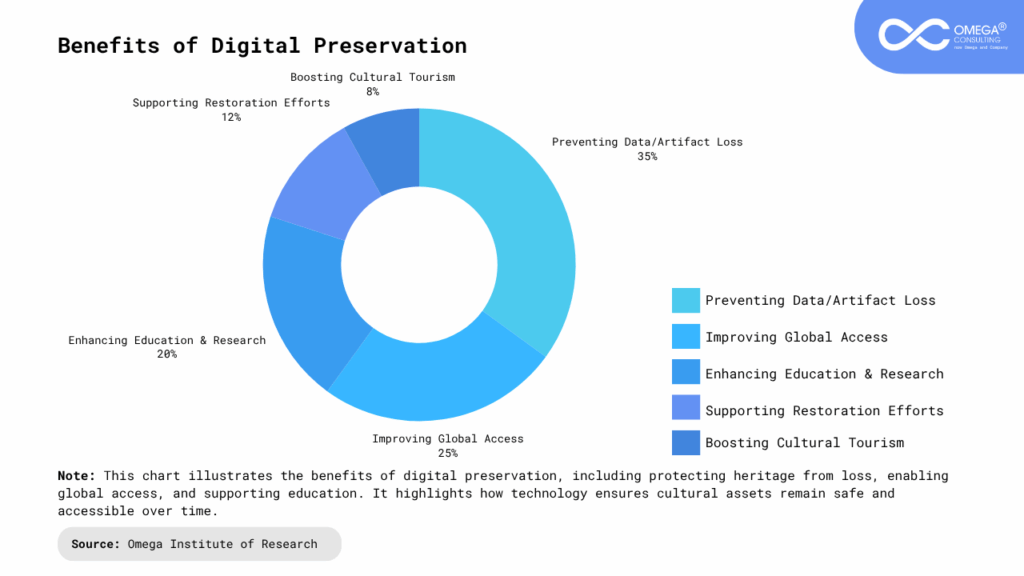
Accessibility: Heritage becomes available to anyone with an internet connection, removing geographical barriers. This democratizes cultural experiences, allowing people in remote or underserved regions to explore global heritage. It also makes rare and fragile artifacts visible to millions who cannot physically visit museums or sites. Furthermore, accessibility fosters inclusivity by ensuring that cultural appreciation is not limited by wealth, travel restrictions, or mobility challenges.
Education and Research: Students and scholars can interact with heritage in new ways, fostering deeper understanding. Digital tools such as 3D models, VR tours, and databases make learning interactive and engaging. They also allow researchers to analyze artifacts in detail without risking damage to originals. In addition, open digital archives encourage cross-disciplinary collaboration, bringing together historians, scientists, and technologists for richer insights.
Disaster Protection: Digital records act as backups, ensuring cultural treasures are not lost to natural or human-made disasters. This safeguard is critical in times of war, earthquakes, floods, or fires where physical artifacts may be destroyed. It also enables future reconstruction or restoration projects using precise data. Moreover, disaster-proof archives offer a sense of security for communities, knowing their cultural identity will endure despite unforeseen crises.
Tourism Innovation: Virtual tourism expands opportunities for engagement, especially when visiting sites physically is difficult. Online tours, VR experiences, and AR applications give people immersive access to cultural landmarks from home. This not only broadens audiences but also supports sustainable tourism by reducing overcrowding at fragile heritage sites. Additionally, virtual tourism sparks curiosity and often inspires future physical visits, boosting local economies.
Cultural Exchange: Technology fosters global dialogue by sharing heritage across borders. It creates platforms where diverse cultures can showcase their traditions, arts, and histories to the world. This exchange promotes empathy and respect among different communities, reducing cultural misunderstandings. Furthermore, digital preservation ensures that minority cultures and indigenous traditions are represented and celebrated on the global stage.
Challenges in Digital Preservation
While technology offers powerful tools, challenges remain:
High Costs: Scanning, archiving, and developing digital tools require significant investment. Smaller institutions, local museums, and developing nations often struggle to allocate the necessary funds. The expenses include not only equipment but also skilled professionals and ongoing maintenance. Furthermore, balancing priorities between physical preservation and digital innovation can strain limited budgets.
Digital Decay: Data formats and storage technologies evolve quickly, raising concerns about long-term accessibility. Without regular updates and migrations, digital files risk becoming obsolete or unreadable. This creates uncertainty about whether today’s records will survive centuries into the future. Additionally, the rapid pace of technological change requires continuous adaptation, which can overwhelm institutions lacking technical expertise.
Ethical Concerns: Questions of ownership, authenticity, and cultural sensitivity must be carefully addressed. Some communities may not want sacred or traditional artifacts digitized or shared publicly. Misuse of digital content, such as unauthorized reproductions, can also threaten cultural integrity. Moreover, determining who controls digital heritage records raises debates about power, representation, and respect for indigenous rights.
Technology Gaps: Not all regions have equal access to advanced technologies, creating disparities in preservation efforts. Wealthier nations can invest in high-end digitization, while others fall behind, leaving their heritage at risk. This imbalance may lead to an uneven representation of global cultures in digital archives. Bridging this gap requires international cooperation, funding, and knowledge-sharing to ensure all cultures are fairly preserved.
The Future of Tech in Cultural Preservation
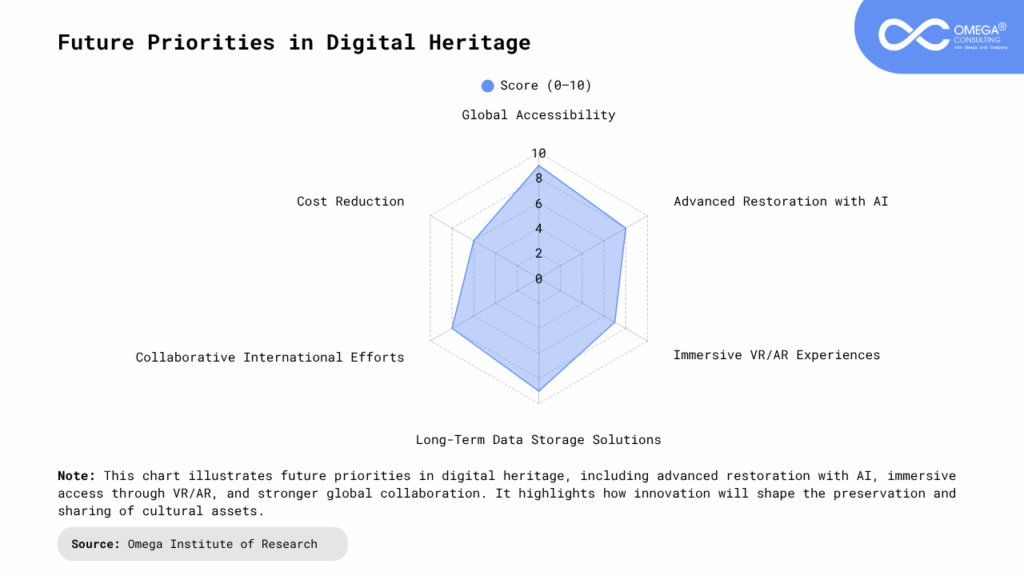
Looking ahead, advancements in AI, quantum computing, and immersive technologies will further strengthen cultural preservation. AI could decode undeciphered scripts, while quantum storage may ensure data lasts indefinitely. As tools become more affordable, even smaller communities will be able to safeguard their traditions digitally. The future will likely see a balance between preserving physical heritage and embracing digital replicas that democratize access worldwide. Emerging innovations like holographic displays could recreate cultural performances in lifelike detail, offering new ways to experience intangible heritage. Global collaborations may also become stronger, with countries pooling resources to create shared cultural archives. Ultimately, technology will not only preserve heritage but also reimagine how humanity interacts with its collective past.
Conclusion
Technology is no longer just a tool for progress, it has become a guardian of humanity’s past. From 3D scanning ancient ruins to creating digital archives of priceless manuscripts, tech-driven preservation ensures that our cultural heritage will not be lost to time, disaster, or neglect. By digitally safeguarding global heritage, we are not only honoring our ancestors but also gifting future generations the opportunity to connect with their roots. It also fosters cross-cultural understanding, reminding us of the interconnectedness of human history. As innovations continue to evolve, preservation will become more inclusive and accessible to all societies. Ultimately, technology ensures that the story of humanity remains alive, inspiring both present and future generations.
- https://www.researchgate.net/publication/380878107_Cultural_preservation_and_digital_heritage_challenges_and_opportunities
- https://www.unesco.org/en/culture-and-digital-technologies
- https://www.emerald.com/dlp/article-abstract/40/4/609/1230434/Cultural-heritage-preservation-in-the-digital-age?redirectedFrom=fulltext
- https://www.ifla.org/news/digital-cultural-heritage-theory-and-practice/
- https://www.degruyterbrill.com/document/doi/10.1515/pdtc-2024-0015/html?lang=en&srsltid=AfmBOoqlIX1-5hXWZBpHBtMbWcv2q4Y-Ep_aNWl7i4-z2AfoH0DEhNX8
Subscribe
Select topics and stay current with our latest insights
- Functions