

- Industries
Industries
- Functions
Functions
- Insights
Insights
- Careers
Careers
- About Us

The CEO’s Role in AI Transformation: Vision, Risk, and Accountability







Artificial Intelligence (AI) has rapidly transitioned from an experimental technology to a foundational driver of enterprise transformation. Organizations today are leveraging AI to optimize operations, enhance customer experiences, and unlock new revenue streams. However, despite significant investments, many firms struggle to scale AI initiatives effectively or realize measurable business value. The gap between AI ambition and execution is not primarily technological, it is fundamentally a leadership challenge. At the center of this transformation sits the Chief Executive Officer (CEO), whose role has expanded beyond traditional strategic oversight to include technological stewardship, ethical governance, and cultural transformation.
CEO as the Architect of AI Vision
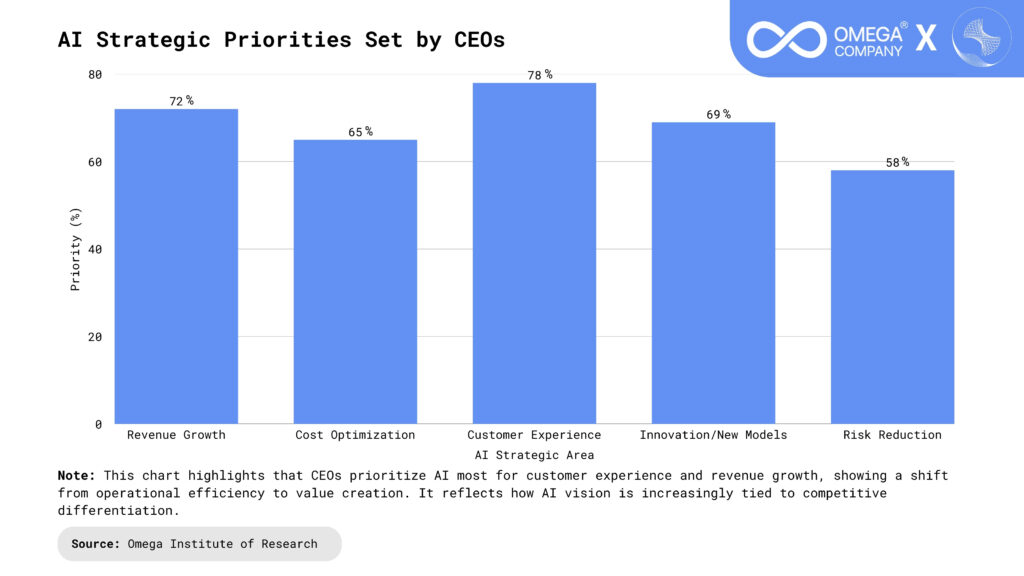
The foundation of any successful AI transformation lies in a clearly articulated strategic vision. CEOs must define not only what AI will do for the organization but why it matters. This involves aligning AI initiatives with broader business goals such as revenue growth, cost optimization, customer satisfaction, and innovation. A common pitfall is treating AI as a standalone technology initiative led by IT departments. In contrast, effective CEOs position AI as a core business capability embedded across functions. For instance, AI can enhance supply chain efficiency, personalize marketing strategies, and improve financial forecasting all of which contribute directly to business outcomes. Moreover, CEOs must prioritize use cases that deliver measurable value rather than pursuing AI for its novelty. Organizations that succeed in AI transformation often start with focused, high-impact applications before scaling high.
The CEO’s Role in Managing AI Risks
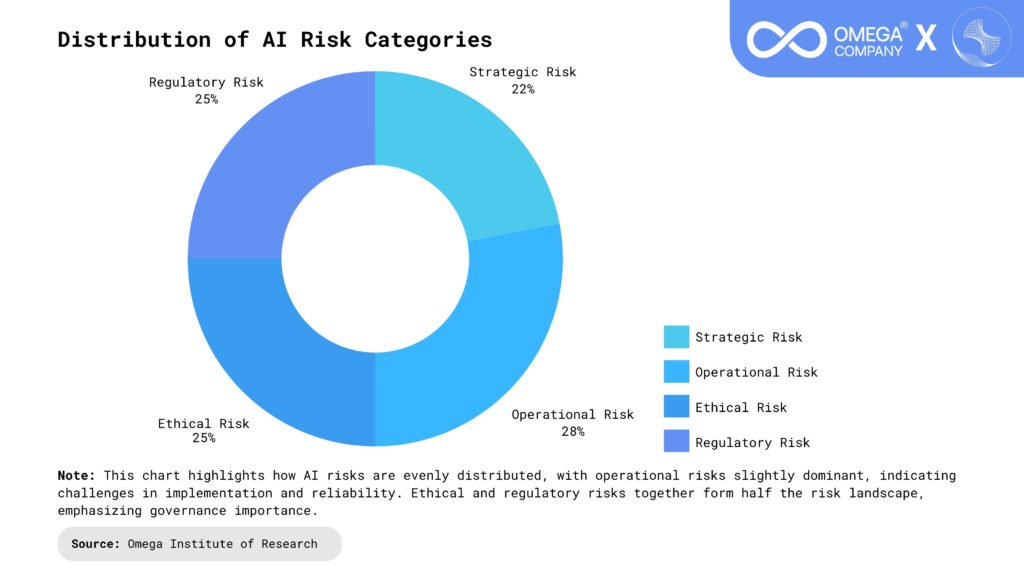
AI introduces a new spectrum of risks that extend beyond traditional operational concerns. These risks are multidimensional, encompassing strategic, technical, ethical, and regulatory aspects.
AI Risk Landscape: AI risks fall into four key areas: strategic misalignment can waste investments, operational issues like poor data or models can lead to flawed decisions, ethical concerns such as bias and lack of transparency can damage trust, and regulatory non-compliance can result in legal and reputational consequences. Effective management of these risks requires proactive and accountable leadership from the outset.
Establishing AI Governance: Governance is essential for responsible AI adoption, requiring CEOs to establish clear frameworks for how AI systems are developed, deployed, and monitored. This includes defining ethical policies, ensuring data privacy, and maintaining regulatory compliance. When designed effectively, governance enables innovation while ensuring AI is scaled responsibly and sustainably.
Addressing the Accountability Gap: When AI systems produce flawed outcomes, assigning responsibility across developers, data scientists, or business units can be complex. CEOs must address this by defining clear accountability frameworks for every AI system. Designated ownership ensures responsibility for performance, outcomes, and compliance remains firmly within the organization.
Accountability in AI Transformation
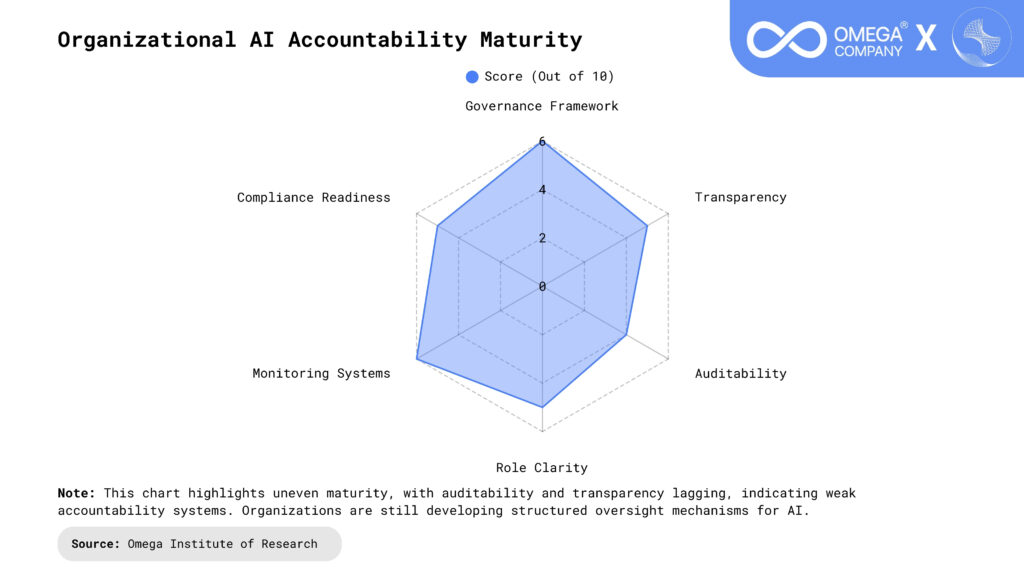
Redefining Accountability: AI challenges traditional accountability by introducing adaptive, autonomous systems, requiring a shift toward continuous accountability across the lifecycle. This involves real-time monitoring, regular evaluation and validation of models, and ongoing updates to address emerging risks and biases. Such a dynamic approach ensures AI systems remain aligned with business goals and ethical standards.
Building Accountability Mechanisms: To operationalize accountability, CEOs must implement structured mechanisms such as audit trails for traceability, explainability tools for transparency, and clear performance metrics to assess AI impact. Strong escalation protocols are also essential to address issues and mitigate risks promptly. These measures ensure accountability is embedded in AI systems while improving oversight. Ultimately, they help build trust among customers, employees, and regulators.
Human-in-Control Systems: Relying solely on a “human-in-the-loop” model can create a false sense of oversight if human involvement is superficial. CEOs should instead move toward human-in-control systems where people retain final authority over AI decisions. This requires clearly defining when intervention is needed, empowering employees to override AI outputs, and ensuring accountability for outcomes. Such an approach balances efficiency with responsibility and strengthens governance.
CEO as a Catalyst for Cultural Transformation
AI transformation is as much about people as it is about technology, requiring a cultural shift across the organization. CEOs play a critical role in fostering a mindset that embraces innovation, learning, and collaboration around AI.
Building an AI-Ready Culture: An AI-ready culture emphasizes a data-driven mindset, where decisions are guided by evidence and analytics rather than intuition alone. It fosters strong collaboration between business and technology teams to drive integrated outcomes. Organizations must also encourage experimentation, enabling innovation and learning from failures. CEOs play a key role by leading through example, embracing new ideas, and remaining adaptable.
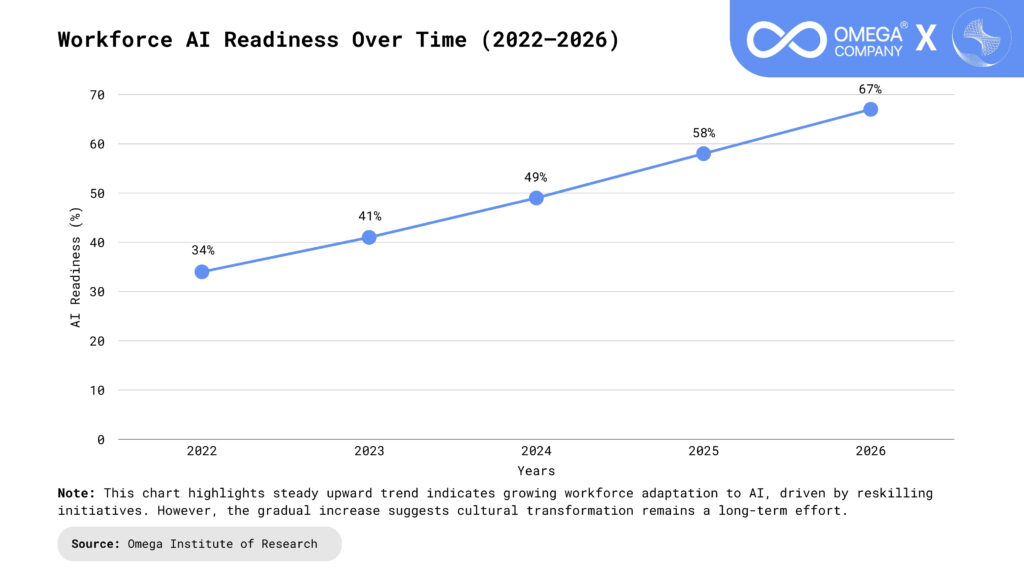
Workforce Transformation: AI often raises concerns about job displacement, so CEOs must position it as an enabler rather than a replacement. This involves investing in reskilling and upskilling to help employees work alongside AI systems. Organizations should also redefine roles to leverage human creativity and problem-solving, while maintaining transparent communication about AI’s impact. Prioritizing people ensures a more sustainable and successful AI transformation.
Leadership Evolution: The rise of AI demands that CEOs build new competencies, including a clear understanding of AI’s capabilities and limitations. They must also navigate evolving ethical and regulatory challenges while leading digital and cultural transformation. This shift requires a more hands-on, informed approach to technology. As a result, CEOs become strategic leaders who can bridge business goals with technological innovation.
Integrating Vision, Risk, and Accountability
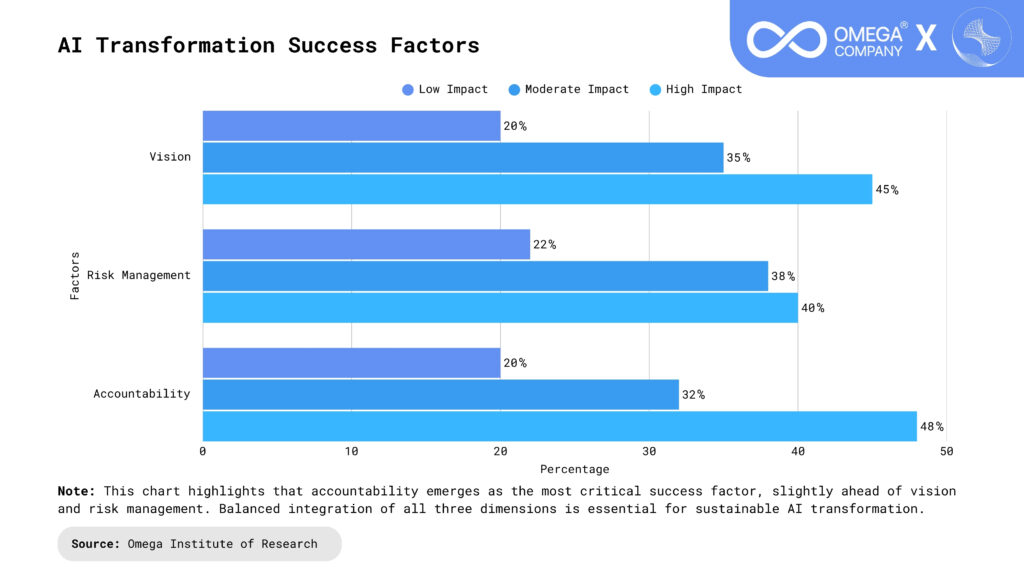
Successful AI transformation requires a holistic approach that aligns vision, risk management, and accountability. CEO’s must ensure that AI initiatives are strategically driven, responsibly governed, and continuously monitored. Balancing innovation with control is essential to achieve sustainable outcomes. This integrated approach enables businesses to realize the full value of AI while minimizing potential risks.
Vision ensures direction: Vision provides direction by clearly defining the purpose and strategic goals of AI initiatives. It aligns AI efforts with broader business objectives and long-term value creation. A well-articulated vision helps prioritize investments and guide decision-making. This clarity ensures that AI initiatives remain focused, purposeful, and impactful.
Risk management ensures sustainability: Risk management ensures sustainability by identifying and mitigating potential challenges associated with AI adoption. It helps safeguard organizational interests, including data integrity, compliance, and operational stability. Proactive risk management enables organizations to anticipate issues before they escalate. This approach supports long-term, responsible, and resilient AI transformation.
Accountability ensures trust: Accountability ensures trust by embedding transparency and clear responsibility across AI-driven processes. It defines ownership for decisions, outcomes, and compliance within the organization. Strong accountability frameworks help prevent ambiguity and reinforce ethical practices. This builds confidence among stakeholders, including customers, employees, and regulators.
When vision, risk, and accountability are aligned, organizations can scale AI initiatives with greater confidence and control. This alignment ensures innovation is pursued responsibly without compromising ethical standards. It also strengthens operational stability and decision-making consistency. As a result, organizations achieve sustainable growth while maintaining trust and integrity.
Key Challenges for CEOs
Despite the significant opportunities AI presents, CEOs face multiple challenges that can hinder successful transformation. One of the primary barriers is limited AI expertise at the leadership level, which makes it difficult to fully understand the technology’s potential and risks. This is further complicated by the rapid pace of technological advancements, where new tools, models, and capabilities emerge faster than organizations can adapt. Additionally, uncertain and evolving regulatory environments create ambiguity around compliance, governance, and ethical usage. Another major hurdle is the difficulty in scaling pilot projects many organizations succeed in experimentation but struggle to translate those successes into enterprise-wide implementation. These challenges often lead to fragmented efforts, misaligned strategies, and underwhelming returns on AI investments if not addressed proactively.
To navigate these complexities, CEOs must embrace continuous learning and actively build their understanding of AI and its implications. Collaboration becomes critical, both internally across cross-functional teams and externally with technology partners, academia, and industry experts. Leaders must also foster a culture of adaptability, encouraging organizations to remain agile in the face of constant change. Investing in talent, upskilling initiatives, and robust governance frameworks can help bridge capability gaps and support scalable adoption. Clear communication and alignment between business and technology teams further enhance execution. Ultimately, overcoming these challenges requires a balanced approach that combines strategic vision, informed decision-making, and organizational resilience.
Conclusion
The CEO’s role in AI transformation is both strategic and transformative. As organizations navigate the complexities of AI adoption, CEOs must act as visionaries, risk managers, and accountability champions. By defining a clear vision, establishing robust governance, and fostering a culture of innovation, CEOs can unlock the full potential of AI. At the same time, they must ensure that AI is deployed responsibly, with transparency and ethical integrity. Ultimately, AI transformation is not just about technology it is about leadership. Organizations that succeed will be those where CEOs embrace their expanded role and lead with clarity, responsibility, and foresight in an increasingly AI-driven world.
- https://aiindex.stanford.edu/report/
- https://mitsloan.mit.edu/ideas-made-to-matter/how-ai-reshaping-workflows-and-redefining-jobs
- https://www.nist.gov/itl/ai-risk-management-framework
- https://mitsloan.mit.edu/ideas-made-to-matter/how-ai-reshaping-workflows-and-redefining-jobs
- https://hai.stanford.edu/ai-index/2026-ai-index-report
- https://reports.weforum.org/docs/WEF_Advancing_Responsible_AI_Innovation_A_Playbook_2025.pdf
Subscribe
Select topics and stay current with our latest insights
- Functions