

- Industries
Industries
- Functions
Functions
- Insights
Insights
- Careers
Careers
- About Us


The Loneliness of Leadership: How Top Executives Build Trusted Advisory Circles







At the top, leadership looks powerful, influential, and rewarding. But behind closed doors, it is often isolating.As executives climb higher in organizations, the number of people they can speak to honestly begins to shrink. Decisions become heavier, consequences larger, and conversations more filtered. Employees expect direction, boards expect results, and stakeholders expect confidence. In such an environment, vulnerability becomes rare, and true dialogue even rarer. This phenomenon, often called “the loneliness of leadership,” is not a weakness, it is a structural reality. And the most successful leaders don’t ignore it. They solve it. They build trusted advisory circles, small, intentional networks of individuals who provide perspective, challenge thinking, and offer psychological safety in a role that often lacks both.
Why Becoming a Leader is Lonely
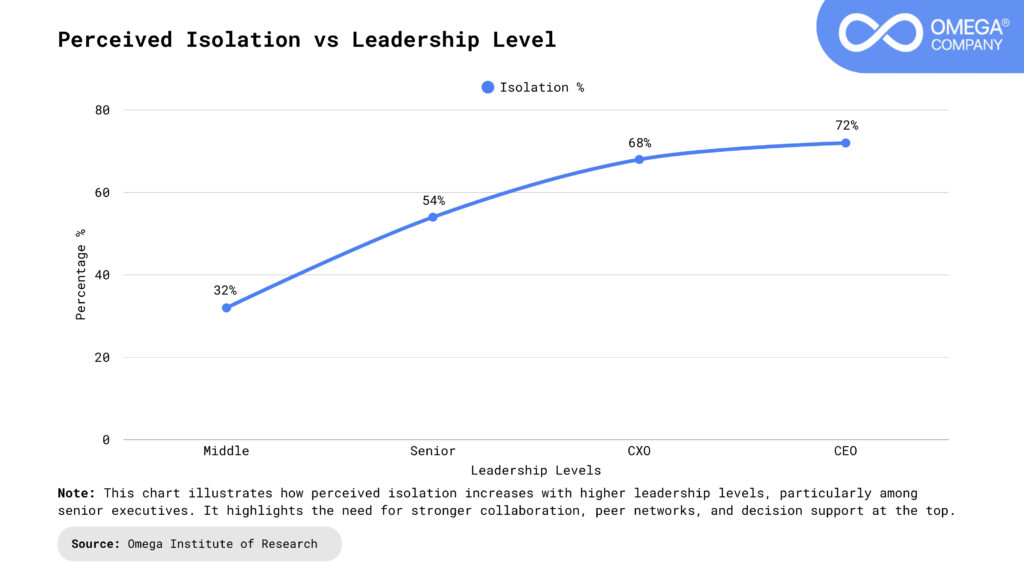
Leadership loneliness is not something that appears overnight; rather, it develops gradually as responsibilities grow and expectations intensify. As individuals rise to positions of authority, the distance between them and others often widens, creating a noticeable power gap. People become less willing to question or openly disagree with leaders, especially in public settings, which limits honest dialogue. Over time, the flow of information reaching leaders also becomes filtered, often polished or altered making it harder for them to access unvarnished truths. At the same time, the burden of high-stakes decision-making rests on very few shoulders, leaving leaders with limited peers who truly understand the weight of their choices. Adding to this complexity is the constant need for perception management, where leaders feel compelled to project confidence and certainty, even in moments of doubt. Together, these factors contribute to a quiet but profound sense of isolation that defines the leadership experience.
The Underlying Perils of Isolation
Loneliness in leadership is not just an emotional experience it has tangible consequences for the business itself. When leaders operate in isolation, they often receive limited and homogeneous input, which reduces diversity of thought and creates critical blind spots in decision-making. This environment can also foster overconfidence bias, where assumptions go unchallenged and decisions are made without adequate scrutiny. As a result, problems within the organization may go unnoticed or unaddressed until they escalate into larger issues, slowing the detection and response to risks. At the same time, the constant pressure of leadership without a proper outlet can lead to burnout and fatigue, further impairing judgment and effectiveness. Ultimately, this isolation does not impact the leader alone; it ripples across the organization, affecting culture, performance, and long-term sustainability.
So What Are Trusted Advisory Circles?
Trusted advisory circles are intentionally built networks of individuals who provide honest, unbiased, and strategic perspectives to leaders navigating complex challenges. Unlike traditional teams or formal boards, these circles operate outside hierarchical structures, allowing members to speak freely without the constraints of authority or organizational politics. Their foundation lies in trust rather than position, creating an environment where truth is valued over mere validation. Such spaces encourage vulnerability, giving leaders the psychological safety to express doubts, explore ideas, and confront uncertainties without judgment. Acting as thinking partners, these advisors help leaders process unstructured, high-stakes situations more clearly, ultimately enabling better and more balanced decision-making.
Forms of Advisory Circle Executives Construct
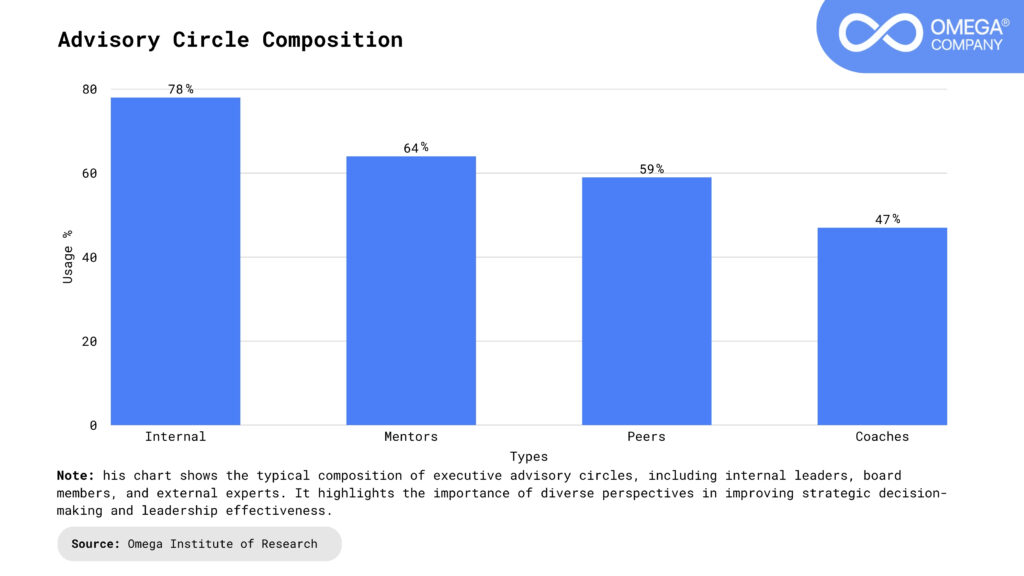
Top executives do not use a single kind of advisor- they mix it up.
Internal Trusted Voices: Within trusted advisory circles, top executives play a crucial role as insiders who can speak with honesty and clarity. Their close involvement in day-to-day operations allows them to provide practical, ground-level insights that are both relevant and actionable. Because they deeply understand the organization’s culture, dynamics, and internal challenges, their perspectives are rooted in reality rather than abstraction. At the same time, they are well-positioned to offer real-time feedback, enabling leaders to quickly sense what is working and what is not. When these executives are empowered to communicate openly, they become invaluable contributors to more informed and balanced leadership decisions.
External Mentors: Skilled external advisors bring a fresh and independent perspective to leadership decision-making, free from internal biases and organizational politics. Because they are not embedded within the company’s hierarchy, they can offer truly objective advice that challenges assumptions and broadens thinking. Drawing from their diverse experiences across industries and situations, they often provide relevant examples and parallels that help leaders better understand complex challenges. Additionally, their focus is typically long-term, enabling them to guide strategic thinking beyond immediate pressures and short-term goals. This combination of neutrality, experience, and forward-looking insight makes them a valuable component of any trusted advisory circle.
Peer Networks: Peers at the same executive level play an important role by bringing shared understanding and relatability to leadership challenges. Having faced similar pressures and responsibilities, they can engage in open, honest conversations without judgment. These interactions create a space for real dialogue, where leaders can exchange experiences, validate each other’s perspectives, and gain emotional reassurance. This sense of mutual understanding not only reduces isolation but also strengthens confidence in navigating complex decisions.
Professional Coaches: Executive coaches bring a structured and disciplined approach to leadership development, helping leaders think more clearly and act more intentionally. Through proven frameworks, they guide decision-making and problem-solving in a systematic way, reducing ambiguity. They also offer deep behavioral insights, enabling leaders to better understand their own patterns, strengths, and blind spots. In addition, coaches create strong accountability mechanisms, ensuring that leaders not only set goals but also follow through on them, ultimately driving consistent personal and professional growth.
What is an Effective Advisory Circle
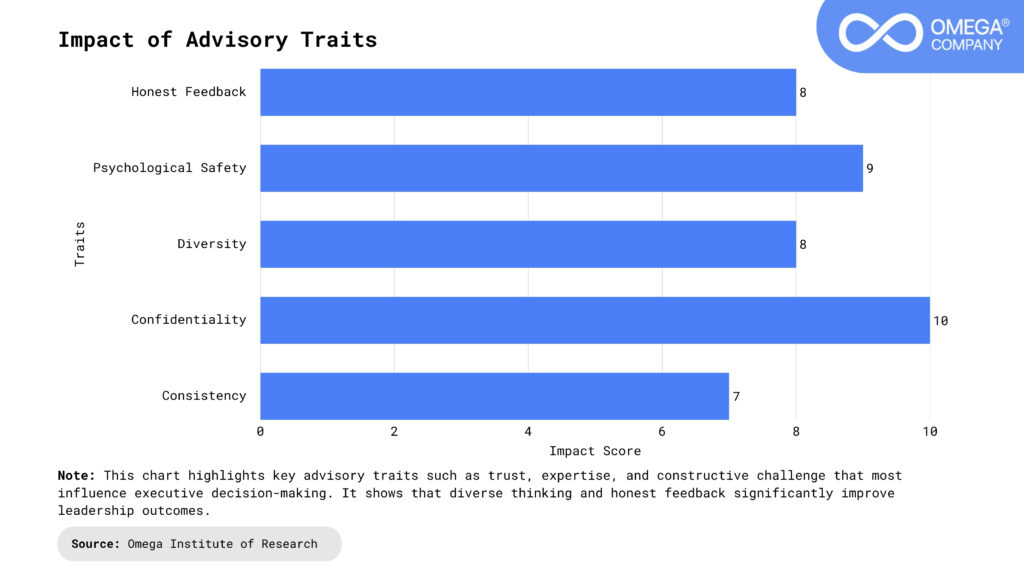
Not all networks naturally evolve into a true circle of trust; their effectiveness depends on a few critical attributes. Psychological Safety is essential, as leaders must feel comfortable expressing doubts, fears, and uncertainties without the fear of judgment. Equally important is Honest Feedback, where advisors go beyond agreement and are willing to challenge ideas and offer constructive criticism. Diversity of Thought further strengthens decision-making, as varied backgrounds and perspectives lead to more balanced and innovative solutions. Another key pillar is confidentiality, since trust can only exist when sensitive discussions remain private and handled with discretion. Finally, Consistency in interactions ensures ongoing communication, which deepens understanding, builds stronger relationships, and generates richer insights over time.
Ways in which the top executives develop these circles
The creation of an advisory circle that is trusted is not a coincidence.
To address a gap, it is important to first identify gaps in perspective: Effective leaders consistently engage in self-reflection by asking critical questions such as, “Where am I biased?” and “What perspectives have I overlooked?” These questions help them challenge their own assumptions and remain open to diverse viewpoints. By actively seeking out what they might be missing, leaders can make more balanced, informed, and inclusive decisions, reducing the risk of blind spots and strengthening overall judgment.
Selecting People, not Positions: In leadership, relationships often hold far greater value than formal positions. While titles may grant authority, it is genuine connections built on trust, respect, and understanding that truly influence outcomes. Strong relationships enable open communication, foster collaboration, and create a supportive environment where ideas can be shared freely. Ultimately, it is these meaningful connections, not hierarchical status, that empower leaders to make better decisions and drive lasting impact.
Test for Candor: Executives often evaluate the strength of their advisory circles by subtly testing them. They ask themselves questions like, “Will they truly challenge me?” and “Do they disagree in a constructive way?” This helps leaders determine whether their advisors are merely agreeing for comfort or genuinely adding value. Strong advisors are those who are willing to question assumptions, offer alternative viewpoints, and engage in thoughtful disagreement, ultimately helping leaders make more balanced and well-informed decisions.
Developing as time goes on: Trust is not built overnight; it develops through consistent and frequent interactions grounded in honesty. When leaders and advisors engage regularly with openness and transparency, it strengthens credibility and deepens mutual understanding. Over time, this pattern of truthful communication creates a reliable foundation, where individuals feel confident in each other’s intentions, ultimately making trust a natural outcome rather than a forced expectation.
Maintain Balance: An excess of voices can often lead to confusion, as too many opinions make it difficult to arrive at clear and decisive conclusions. On the other hand, having too few voices creates the risk of blind spots, where important perspectives and potential risks are overlooked. Effective leadership lies in striking the right balance ensuring enough diverse input to make informed decisions, without overwhelming the process with unnecessary noise.
Vulnerability as an Element of Leadership
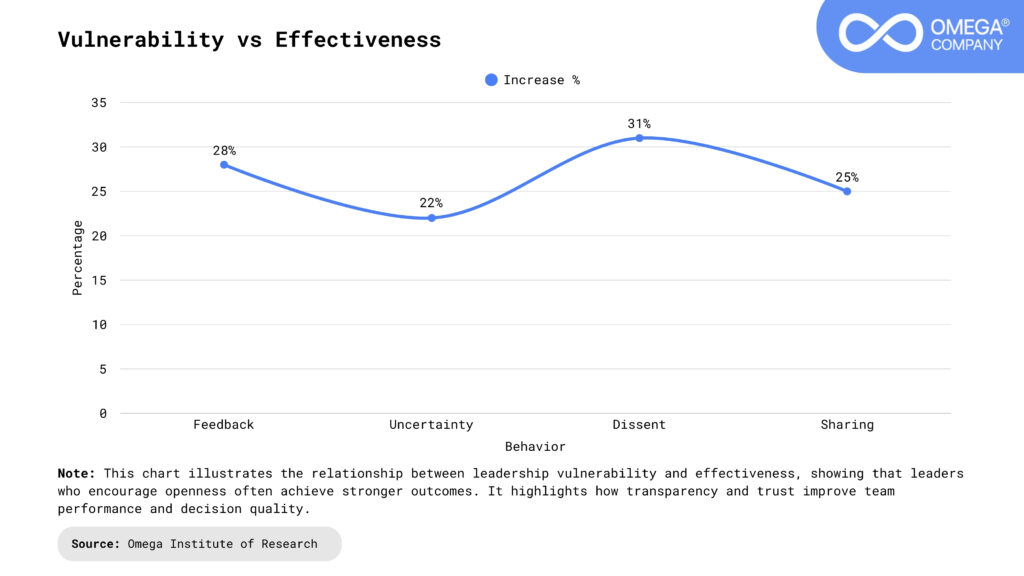
Vulnerability has emerged as one of the most significant shifts in modern leadership. Today, executives who build strong advisory circles are those who are willing to admit when they do not have all the answers, seek help without hesitation, and openly share their doubts and uncertainties. This openness fosters deeper trust and more meaningful dialogue within their networks. Importantly, such vulnerability does not weaken a leader’s authority; instead, it strengthens it by enabling better-informed, more thoughtful, and well-rounded decision-making.
Mistakes Leaders Should avoid making
Even experienced leaders can make mistakes when building their advisory circles. A common error is surrounding themselves with “yes people,” which limits honest feedback and critical thinking. Over-relying on a small, familiar group can also restrict diverse perspectives, while neglecting the need for emotional support reduces the overall effectiveness of the circle. Inconsistent communication further weakens trust and insight, and confusion between the roles of advisors and decision-makers can blur accountability. Together, these missteps diminish the effectiveness of the advisory circle and hinder better decision-making.
The Strategic Advantage of Advisory Circles
Executives who cultivate strong advisory networks are better equipped to lead effectively in complex environments. With access to diverse and honest perspectives, they are able to make faster and more confident decisions while avoiding major strategic mistakes. These leaders are also more adept at navigating crises, as they can rely on trusted input and guidance during uncertain times. At the same time, such networks provide emotional and intellectual support, helping leaders maintain mental resilience. Ultimately, this combination of clarity, support, and insight enables them to build stronger, more adaptable organizations.
The Future of Leadership: Individual to Networked Thinking
Leadership today is undergoing a fundamental transformation. In the past, leaders were expected to have all the answers, but the most effective leaders now are those who ask better questions, surround themselves with wiser and more diverse minds, and build systems of thought rather than relying solely on authority. This shift reflects a broader organizational evolution where rigid hierarchies are giving way to flexible networks, control is being replaced by collaboration, and influence is driven more by insight than by position.
Conclusion
There will be a level of loneliness at all times with leadership. This is what responsibility is all about. Isolation does not necessarily have to characterize it. Top-level leaders realize that it is not necessary to think alone though they might be alone at the top. They establish a sphere of trust and honesty by establishing advisory circles, sharpening ideas and decisions. The greatest leaders in a world that is growing more and more complex are not those that act independently based on their own judgments but those that seek to deliberately surround themselves with individuals who enhance their thought process.
- http://Harvard Business Review – Decision Influence & Advisors
- http://Forbes – The Hidden Isolation of Leadership
- http://McKinsey & Company – Leadership Decision-Making Under Uncertainty
- http://Center for Creative Leadership – Executive Coaching and Leadership Effectiveness
Subscribe
Select topics and stay current with our latest insights
- Functions