

- Industries
Industries
- Functions
Functions
- Insights
Insights
- Careers
Careers
- About Us

How AI is Transforming Supply Chain and Logistics Forever







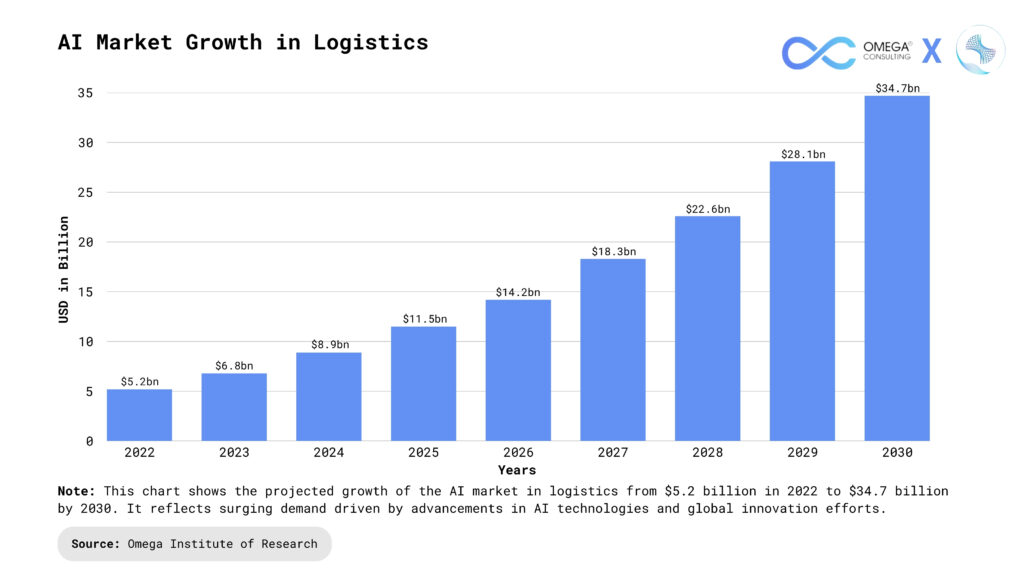
In an era defined by disruption, global competition, and evolving customer expectations, the supply chain is no longer just a backend function it’s a strategic differentiator. Amid this transformation, Artificial Intelligence (AI) is proving to be a game-changer. Organizations are increasingly using AI to manage complexity, anticipate demand, enhance resilience, and drive operational efficiency. The integration of AI into supply chain and logistics operations is not just about automation; it’s about unlocking intelligent systems that learn, adapt, and optimize in real time. From autonomous delivery vehicles to intelligent demand forecasting models, AI is revolutionizing the entire logistics value chain. According to a McKinsey report, companies that adopt AI in their supply chain can expect up to a 15% reduction in logistics costs, 35% reduction in inventory levels, and 65% improvement in service levels.
What is AI in Supply Chain Management?
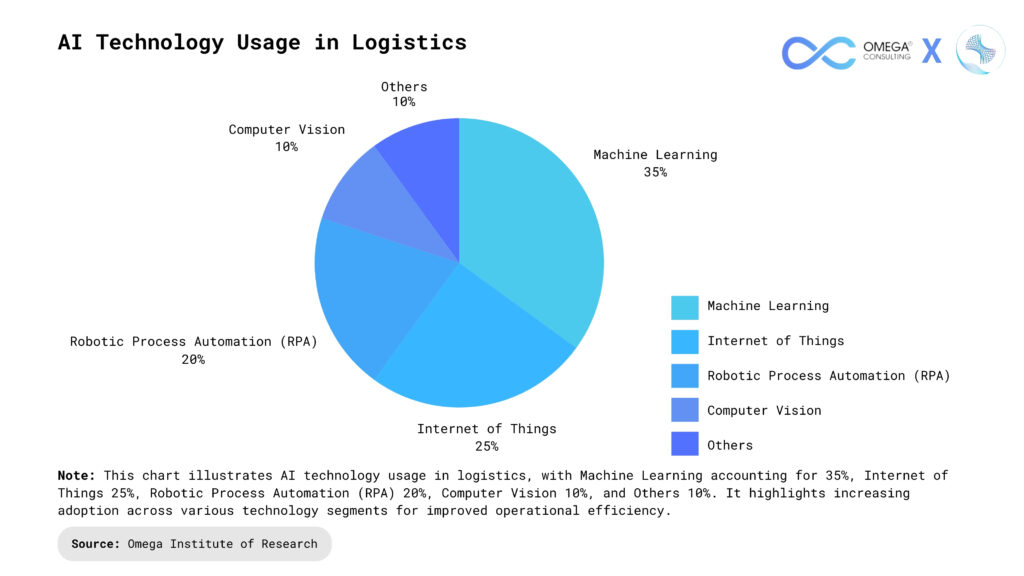
AI in supply chain management refers to the use of intelligent systems that mimic human reasoning to solve logistics-related challenges. These systems leverage advanced technologies such as machine learning to accurately forecast demand patterns, natural language processing (NLP) for efficient and smart document handling, computer vision to monitor warehouses and cargo in real time, predictive analytics for early risk identification, and robotic process automation (RPA) to streamline repetitive tasks and improve operational efficiency. Unlike traditional systems, AI can analyze vast amounts of unstructured data, learn from evolving patterns, and make complex decisions autonomously. This empowers businesses to respond faster to market changes, reduce errors, optimize resources, and create more agile and resilient supply chains capable of meeting dynamic customer demands.
Key Technologies Powering AI in Logistics
Machine Learning (ML): ML algorithms continuously learn from historical and real-time logistics data to improve forecasting accuracy, detect inefficiencies, and automate repetitive decisions. By adapting to changing patterns, these models help optimize inventory levels and reduce costs associated with overstocking or stockouts.
Internet of Things (IoT): IoT devices enable real-time tracking of goods, warehouse conditions, and vehicle telemetry. These inputs feed AI models with dynamic insights for smarter routing, inventory management, and predictive maintenance, ultimately enhancing overall supply chain visibility and responsiveness.
Robotic Process Automation (RPA): RPA handles rule-based tasks like inventory updates, invoice validation, and shipment scheduling, freeing human teams for higher-value work. It also reduces errors and accelerates processing times, leading to smoother and more efficient operations.
Digital Twins: AI-powered digital twins simulate real-world supply chain systems, allowing businesses to experiment with variables like supplier disruption or route optimization—without actual risk. This virtual modeling supports proactive decision-making and helps identify potential bottlenecks before they impact operations.
Natural Language Processing (NLP): NLP simplifies logistics document processing, such as extracting key data from bills of lading, contracts, and customs documentation. It also enhances communication by enabling chatbots and virtual assistants to handle customer inquiries and support logistics teams.
Computer Vision: Used in cargo scanning, quality assurance, and smart warehousing, computer vision allows AI systems to recognize, track, and verify goods with high precision. This technology helps automate inspections and reduce losses due to damaged or misplaced items.
Applications of AI Across the Supply Chain
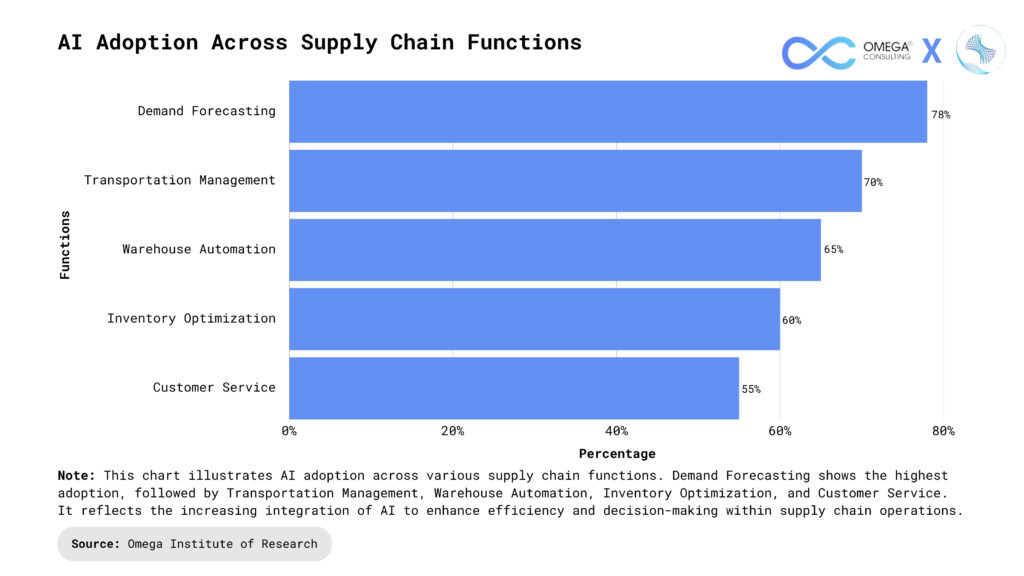
Demand Forecasting and Planning: AI uses market trends, weather patterns, historical sales data, and even social media signals to forecast product demand more accurately. By integrating diverse data sources, AI enables businesses to anticipate shifts in customer preferences and seasonal variations, reducing costly overstocking and stockouts.
Inventory and Warehouse Optimization: AI-driven systems automatically adjust reorder points and safety stock levels based on real-time inventory flow and demand fluctuations. Additionally, AI-powered robots and computer vision systems manage intelligent picking, packing, and sorting within warehouses, improving speed, accuracy, and overall operational efficiency.
Transportation and Route Optimization: AI dynamically adjusts delivery routes by analyzing real-time conditions such as weather, traffic congestion, and fuel prices. This leads to significant reductions in delivery times and transportation costs while also improving fuel efficiency and lowering the carbon footprint.
Risk and Disruption Management: AI can predict potential supply chain disruptions caused by factors such as geopolitical risks, supplier delays, or natural disasters. It provides early warnings and recommends alternate suppliers, routes, or contingency plans, enabling businesses to mitigate risks and maintain continuity.
Procurement Automation: AI assists in evaluating vendor performance by analyzing past contracts, delivery times, and quality metrics. It automates sourcing decisions and predicts price fluctuations, helping procurement teams to negotiate better deals and implement smarter, data-driven purchasing strategies.
Customer Experience and Support: Chatbots powered by AI handle customer inquiries efficiently, provide live order tracking updates, and send proactive notifications in case of delays or issues. This continuous engagement enhances transparency, builds trust, and significantly improves overall customer satisfaction.
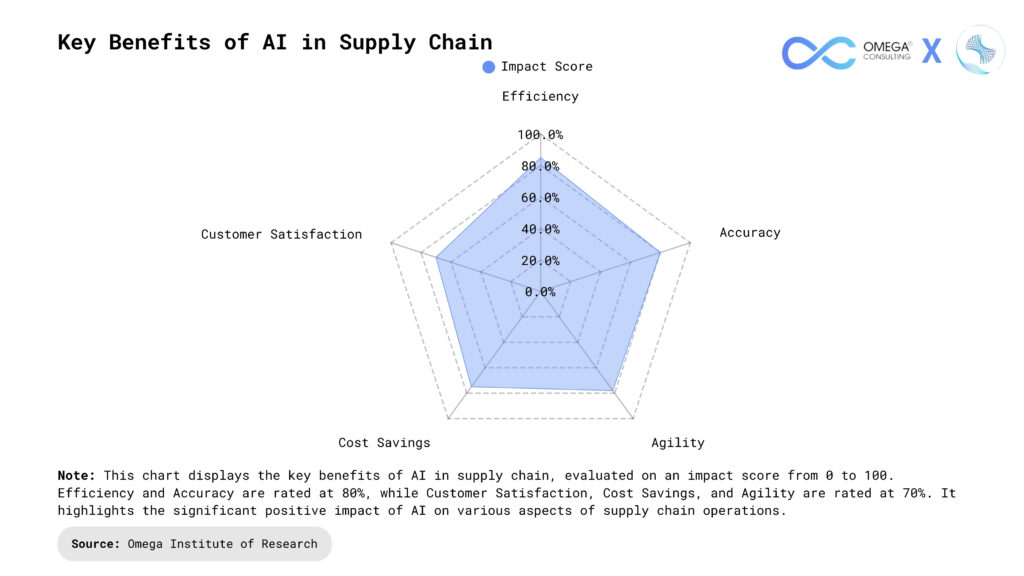
Benefits of AI in Supply Chain and Logistics
Efficiency and Speed: Automation reduces delays, shortens cycle times, and ensures quicker deliveries across the supply chain. By streamlining repetitive tasks and optimizing workflows, AI helps businesses meet tight deadlines and improve overall operational throughput.
Cost Reduction: AI identifies cost-saving opportunities in areas such as fuel consumption, labor allocation, and inventory management. These insights enable companies to minimize waste, negotiate better contracts, and optimize resource utilization, resulting in significant financial savings.
Increased Accuracy: AI minimizes human error in critical processes like order processing, documentation, and demand forecasting. This improved accuracy leads to fewer mistakes, less rework, and more reliable supply chain performance.
Enhanced Agility: AI-powered systems quickly adapt to disruptions such as sudden demand spikes, supplier delays, or transportation issues. This agility enables real-time responses and flexible decision-making, helping businesses maintain continuity in a rapidly changing environment.
Improved Customer Satisfaction: With proactive alerts, accurate estimated time of arrivals (ETAs), and consistent reliable service, customer trust and loyalty improve significantly. Transparent communication ensures customers are well-informed, enhancing their overall experience.
Sustainability: Optimized routing reduces unnecessary mileage, and AI-driven demand planning helps prevent overproduction, both of which contribute to lowering the environmental footprint. These sustainable practices support corporate social responsibility goals and meet increasing consumer demand for greener supply chains.
Challenges in AI Adoption
Data Silos and Integration: AI thrives on unified, high-quality data, but many companies struggle with fragmented systems and inconsistent data formats across suppliers, partners, and internal departments. This lack of seamless integration hinders AI’s ability to provide accurate insights and slows down decision-making processes.
High Implementation Costs: Initial investments in AI tools, skilled personnel, training programs, and necessary infrastructure can be significant, particularly for small-to-midsize enterprises. These upfront costs often pose a barrier to adoption, requiring careful budgeting and a clear strategy to demonstrate ROI over time.
Change Management and Skill Gaps: Integrating AI into supply chains demands a cultural shift within organizations. Teams must be reskilled to work alongside AI technologies effectively, while leadership needs to foster an innovation-first mindset that embraces experimentation and continuous learning to maximize AI’s benefits.
Cybersecurity Risks: Connected AI ecosystems increase exposure to cyberattacks, putting sensitive supply chain data and operational continuity at risk. Ensuring robust data privacy measures and cybersecurity protocols is essential to protect against breaches and maintain trust among stakeholders.
Future Trends in AI-Driven Logistics
Autonomous Logistics: AI-powered drones and driverless trucks are poised to revolutionize last-mile delivery and intercity freight by significantly reducing the need for human intervention. These autonomous systems promise faster, more reliable deliveries while lowering operational costs and improving safety on the roads.
AI + Blockchain for Trust: The integration of AI with blockchain technology will enable verifiable traceability across complex supply chains, especially in sectors like food, pharmaceuticals, and luxury goods. This combination enhances transparency, strengthens compliance with regulations, and builds greater trust among consumers and partners.
Predictive and Prescriptive Analytics: AI will advance beyond merely predicting future outcomes to actively prescribing the best possible decisions. For example, it can recommend switching suppliers before a risk materializes, thereby proactively managing disruptions and optimizing supply chain resilience.
AI-as-a-Service (AIaaS): Cloud-based AI models delivered as a subscription service will democratize access to sophisticated AI capabilities, enabling smaller and medium-sized businesses to leverage advanced logistics solutions without large upfront investments. This shift will accelerate innovation across industries and levels of operation.
Sustainability Optimization: AI will play a critical role in designing eco-intelligent supply chains that minimize waste, optimize carbon-neutral transportation methods, and support circular economy practices. These advancements will help companies meet sustainability goals while reducing environmental impact and operational costs.
Conclusion
Artificial Intelligence is fundamentally transforming supply chain and logistics management—from strategic planning to real-time operations. With AI, businesses can move beyond reactive logistics to predictive and prescriptive supply chains that are efficient, resilient, and customer-centric. Though there are challenges in data readiness, change management, and cybersecurity, the benefits of AI reduced costs, faster delivery, optimized inventory, and higher customer satisfaction—are too substantial to ignore. As supply chains become more global and complex, AI will be the cornerstone of agility and competitive advantage in the digital age.
- https://www.mckinsey.com/business-functions/operations/our-insights/supply-chain-40--the-next-generation-digital-supply-chain
- https://www.ibm.com/supply-chain/ai
- https://www.gartner.com/en/articles/ai-in-logistics-6-real-world-use-cases
- https://www2.deloitte.com/insights/us/en/focus/cognitive-technologies/artificial-intelligence-in-supply-chain.html
- https://www.weforum.org/agenda/2022/12/ai-logistics-supply-chain-innovation/
- https://hbr.org/2021/11/how-ai-will-transform-supply-chain-decision-making
- https://www.accenture.com/us-en/insights/operations/supply-chain-ai
Subscribe
Select topics and stay current with our latest insights
- Functions