

- Industries
Industries
- Functions
Functions
- Insights
Insights
- Careers
Careers
- About Us

Trust Is a Business Asset: What Senior Leaders Must Do to Protect It







Trust is one of the most valuable assets a business can build, yet it is often overlooked. While companies invest heavily in technology, talent, innovation, and customer acquisition, long-term success also depends on whether employees, customers, partners, and investors believe the organisation will deliver on its promises. Strong trust enables faster decision-making, better collaboration, and lasting customer relationships, while a breakdown in trust can lead to employee disengagement, customer losses, reputational damage, and financial pressure. For senior leaders, protecting trust is not merely a communications responsibility but a core business priority that must shape strategy, leadership behaviour, risk management, and everyday operations. Building and maintaining trust requires consistent actions, transparent communication, and accountability at every level of the organisation. Leaders who prioritise trust are better positioned to navigate uncertainty, strengthen stakeholder confidence, and create sustainable long-term value in an increasingly competitive business environment.
Why Trust Matters to Business Performance
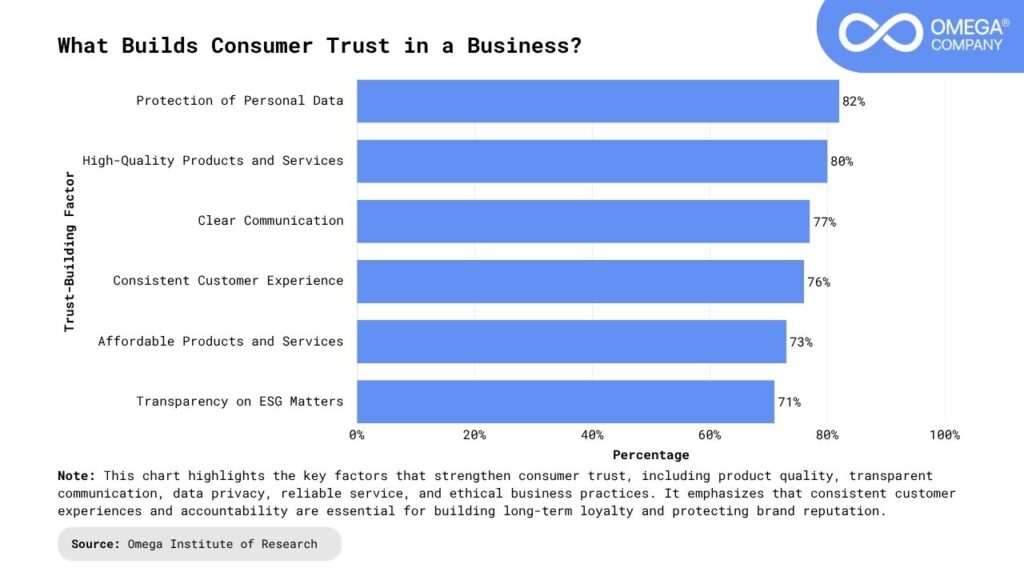
Trust plays a vital role in business performance by shaping how people interact with an organisation. Customers are more likely to remain loyal to companies that deliver consistent value, communicate honestly, and resolve problems responsibly, while employees are more willing to share ideas, raise concerns, and support change when they believe leadership will treat them fairly. Trust also reduces operational friction by minimising misunderstandings, unnecessary approvals, and doubts about intentions, creating a stronger foundation for collaboration, innovation, and execution. In competitive markets, trust can become a meaningful differentiator because products, services, pricing, and technological advantages can be replicated, while a reputation for reliability, integrity, and accountability is much harder to establish. Beyond its intangible benefits, trust can directly influence measurable business outcomes, including customer retention, employee turnover, complaint resolution, partner relationships, and the costs associated with operational disruptions or reputational crises. Organisations that consistently demonstrate trustworthiness are also better equipped to manage uncertainty, respond to market changes, and maintain stakeholder confidence during challenging periods. Over time, these advantages can strengthen brand reputation, improve organisational resilience, and support sustainable growth by building stronger relationships with customers, employees, and business partners.
How Business Trust Gets Damaged
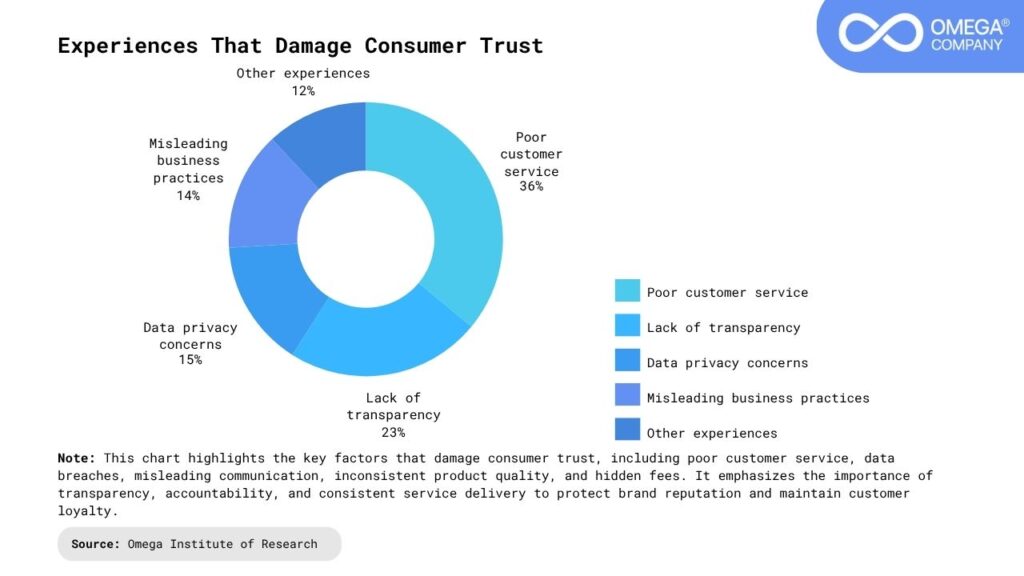
Broken promises: When companies repeatedly miss commitments, change expectations without explanation, or fail to deliver on their stated values, stakeholders begin to question their reliability. Over time, these failures weaken confidence in leadership and make customers less willing to maintain long-term relationships. Even small, repeated disappointments can create doubts about whether the organisation can fulfil its future commitments.
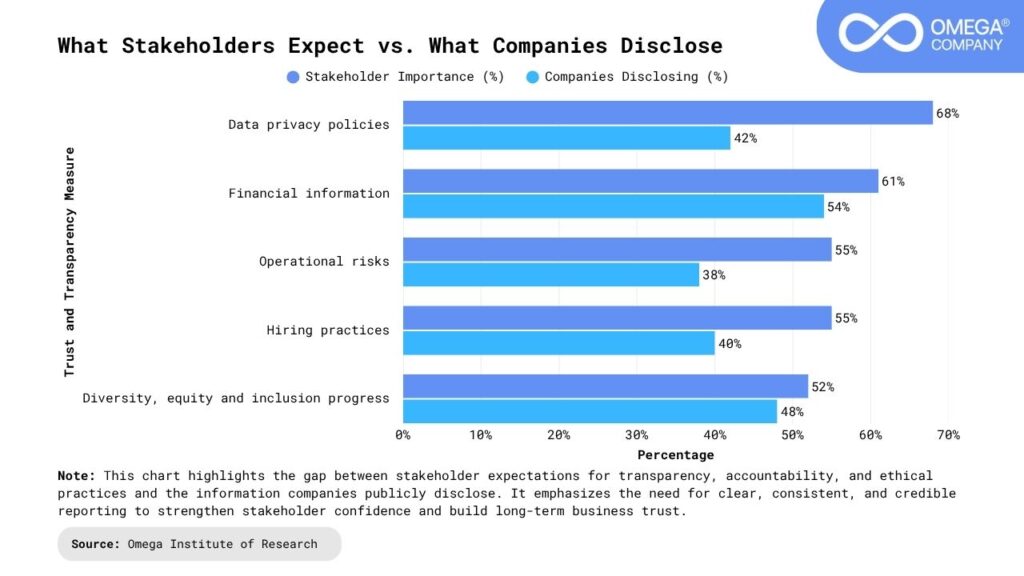
Poor leadership transparency: Withholding important information, avoiding difficult conversations, or communicating only when circumstances are favourable can create uncertainty and suspicion. Employees and stakeholders may begin to question leadership decisions when they do not receive clear, timely explanations. Transparent communication helps people understand challenges, evaluate decisions, and maintain confidence even during periods of uncertainty.
Inconsistent decisions: Employees and customers notice when rules are applied differently, accountability depends on seniority, or business priorities change without a clear explanation. Such inconsistencies can create perceptions of unfairness and reduce confidence in the organisation’s leadership. Clear decision-making principles and consistent standards help ensure that people understand what is expected and believe they will be treated fairly.
Mismanagement of data and technology: Weak cybersecurity, careless handling of customer information, and irresponsible use of artificial intelligence can undermine confidence in an organisation’s judgement and safeguards. Data breaches, privacy violations, and poorly governed automated decisions may expose stakeholders to unnecessary risks and damage the company’s reputation. Leaders must establish strong security controls, clear data policies, and responsible technology practices to protect sensitive information and maintain stakeholder confidence.
Failure to take responsibility: Mistakes are inevitable, but denying problems, blaming others, or delaying corrective action can turn a manageable issue into a larger reputational crisis. When leaders avoid accountability, employees and customers may question the organisation’s integrity and willingness to improve. Acknowledging mistakes, communicating corrective measures, and demonstrating measurable progress can help rebuild confidence and prevent similar problems from recurring.
What Senior Leaders Must Do to Protect Trust
Make Integrity Visible in Everyday Decisions: Trust begins with leadership behaviour, as employees observe how executives handle pressure, disagreements, and difficult decisions. Senior leaders must ensure ethical conduct is reflected in performance expectations, promotion decisions, and organisational accountability, addressing misconduct consistently and prioritising long-term credibility over short-term gains. By demonstrating integrity through everyday actions and fair treatment, leaders can establish a culture where ethical behaviour is valued across the organisation.
Communicate Honestly, Especially During Uncertainty: Silence often creates more uncertainty than an uncomfortable truth, particularly during restructuring, financial pressure, or major strategic changes. Effective leaders communicate what they know, acknowledge uncertainties, and provide accurate information without making exaggerated promises or presenting assumptions as facts. Transparent and timely communication helps stakeholders understand decisions, manage expectations, and maintain confidence while respecting legal, security, and privacy obligations.
Build Accountability Into the Organisation: Trust weakens when commitments lack clear ownership, measurable expectations, and reliable follow-through. Senior leaders should establish responsibility for customer commitments, operational risks, data protection, and employee concerns, ensuring problems are corrected and prevented from recurring. By tracking progress, communicating outcomes, and holding individuals accountable fairly, organisations can demonstrate reliability and strengthen stakeholder confidence.
Protect Customer Data and Use AI Responsibly: Digital transformation creates growth opportunities but also introduces risks related to privacy, cybersecurity, and responsible technology use. Senior leaders must establish clear governance covering data protection, AI accuracy, human oversight, and accountability, ensuring employees understand approved tools and appropriate information-sharing practices. Responsible technology adoption helps reduce risks, protect stakeholder information, and demonstrate that innovation will not compromise long-term trust.
Create a Culture Where Employees Can Speak Up: Employees who fear punishment or retaliation may hesitate to report problems, allowing operational weaknesses and ethical risks to escalate. Senior leaders should provide accessible reporting channels, investigate concerns fairly, protect employees against retaliation, and encourage constructive disagreement. When employees feel heard and respected, organisations can identify problems earlier, respond more effectively, and strengthen a culture of transparency and continuous improvement.
Treat Trust as a Long-Term Business Investment: Trust develops through repeated experiences that demonstrate reliability, fairness, and competence rather than through isolated campaigns or statements. Senior leaders should integrate trust into business planning, risk management, customer experience, and employee engagement while monitoring feedback and addressing concerns proactively. By maintaining consistent standards and aligning decisions with organisational values, businesses can strengthen resilience, protect stakeholder relationships, and create sustainable long-term value.
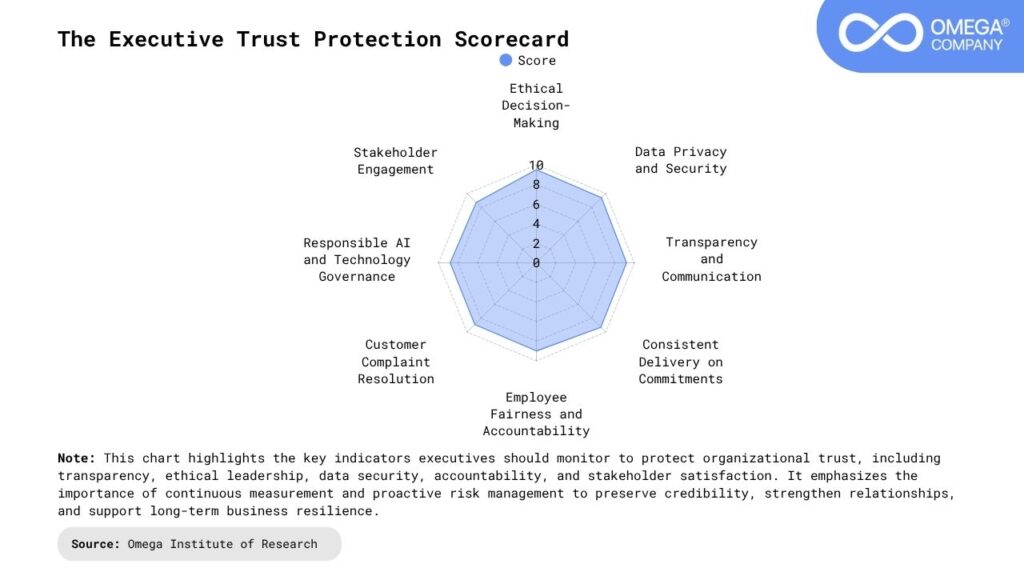
Measuring Trust: Turning Leadership Intent Into Action
Customer confidence: Customer retention, repeat purchases, complaint trends, and satisfaction scores help leaders understand whether customers continue to value the organisation’s products, services, and commitments. Tracking customer feedback over time can reveal emerging concerns before they affect loyalty or damage the company’s reputation. These insights also help identify opportunities to improve service quality and strengthen long-term customer relationships.
Employee confidence: Engagement surveys, voluntary turnover, speak-up activity, and perceptions of leadership credibility provide insights into how employees experience the organisation’s culture. Regular feedback can help leaders identify concerns about fairness, transparency, communication, and management behaviour. Monitoring these indicators enables organisations to address workplace issues early and create an environment where employees feel respected, supported, and comfortable raising concerns.
Operational reliability: Missed commitments, service failures, issue-resolution times, and recurring incidents help measure whether the organisation consistently delivers on its promises. Reviewing these indicators allows leadership teams to identify process weaknesses, establish clear accountability, and improve execution. Fewer recurring failures and faster resolution times can demonstrate progress in reliability and reinforce stakeholder confidence in the organisation’s ability to deliver results.
Data and technology governance: Security incidents, privacy complaints, control effectiveness, and completion of corrective actions help assess whether the organisation is protecting sensitive information and managing technology responsibly. Leaders should regularly review governance controls, investigate weaknesses, and evaluate whether corrective measures are producing measurable improvements. These indicators can help identify emerging risks, strengthen compliance, and demonstrate a sustained commitment to protecting stakeholder information.
Stakeholder relationships: Partner feedback, investor concerns, and the organisation’s response to material commitments help leaders evaluate the strength and reliability of important business relationships. Consistent communication, timely responses, and transparent reporting can reveal whether stakeholders believe the organisation is dependable and accountable. Tracking these relationships over time also helps leadership identify potential conflicts, address unmet expectations, and maintain confidence during periods of uncertainty or strategic change.
The Leadership Challenge: Protecting Trust During Change
Trust becomes especially important when organisations introduce new technologies, restructure teams, enter unfamiliar markets, or transform their business models, as these changes create uncertainty and raise concerns about leadership intentions and organisational reliability. Senior leaders must clearly explain why change is necessary, how decisions will affect stakeholders, and what safeguards will be implemented while encouraging feedback and addressing legitimate concerns. Rather than expecting stakeholders to trust change simply because it is announced, successful organisations earn confidence through thoughtful decisions, honest communication, and clear accountability throughout the transition. This approach is particularly important in AI-driven transformation, where rapid adoption can outpace governance, employee readiness, and customer understanding. Sustainable progress requires organisations to balance innovation with responsible leadership, ensuring that technological advancement and business growth are supported by the trust of the people affected by change.
Conclusion
Trust is a valuable business asset because it influences relationships, decision-making, employee performance, customer loyalty, and organisational resilience. However, it cannot be secured through messaging alone; it must be demonstrated through reliable execution, ethical decisions, responsible technology use, transparent communication, and meaningful accountability. For senior leaders, the priority is to embed trust into everyday operations by setting clear expectations, listening to stakeholders, addressing problems early, and ensuring that organisational behaviour reflects stated values. In an environment where information travels quickly and reputational damage can spread widely, businesses cannot afford to treat trust as an afterthought. Organisations best positioned for long-term success will be those that consistently give employees, customers, partners, and investors good reasons to believe in them. Ultimately, trust is not what a business claims to deserve; it is what its actions repeatedly demonstrate.
- https://www.forbes.com/sites/shephyken/2021/04/01/leaders-trust-is-your-most-important-asset/
- https://www.deloitte.com/uk/en/issues/trust.html
- https://www.dalecarnegie.com/blog/building-trust-in-leadership/
- https://www.investopedia.com/financial-advisor/trust-advisors-most-important-asset/
- https://commwiser.com/trust-is-no-longer-a-brand-asset-its-a-business-asset/
Subscribe
Select topics and stay current with our latest insights
- Functions